Building fast is hard when labor, weather, budget, and site limits all create pressure. Delays cost money. Poor design creates long-term problems. A flat pack container house solves this with a factory-made, easy-to-ship structure that can become a practical, safe, and flexible space.
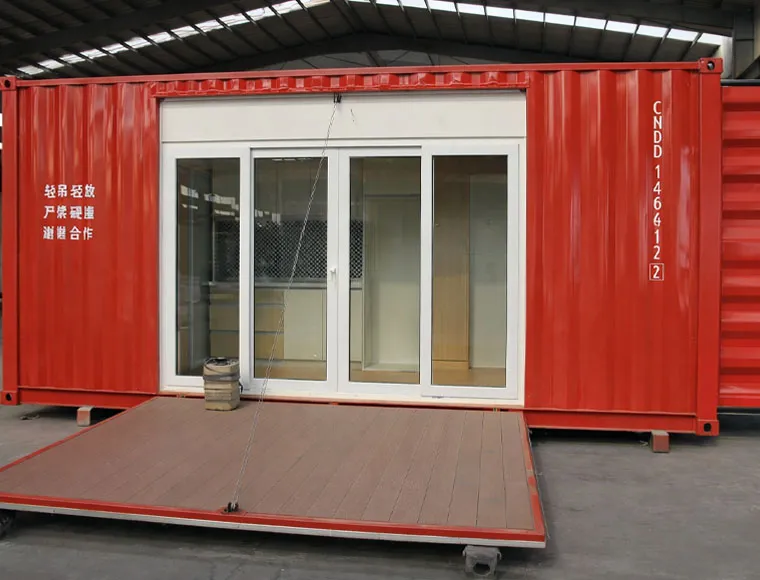
A flat pack container house is a prefab building made from a steel frame, wall panels, roof, floor, doors, windows, insulation, and service-ready parts. It is shipped in compact packages and assembled on site, making it useful for housing, offices, dormitories, camps, commercial space, and temporary project buildings.
What Is a Flat Pack Container House?
A flat pack container house is a prefab building system that uses a strong steel structure and factory-made parts. Unlike welded shipping containers, it does not always start as an old freight box. Instead, manufacturers usually prefabricate the main parts, including the steel frame, roof, floor, columns, beams, and wall panels, then pack them flat for transport.
This flat pack container format helps reduce shipping volume. Several container units can be loaded into one shipment, which supports efficient shipping for overseas projects. When the materials arrive on site, the team follows a clear assembly process to connect the frame, panels, doors, windows, and roof.
For buyers, the main value is simple: you get a building that is faster to install than many traditional construction methods, while still giving you a controlled and repeatable result. For EPC contractors, project owners, and developers, that repeatability can be very useful.
Why Are Flat Pack Container Homes Becoming Popular?
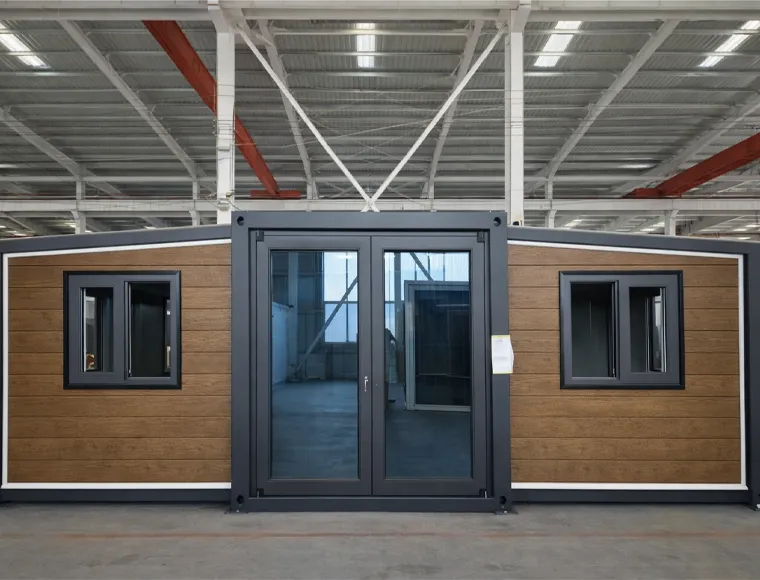
A flat pack container home is becoming popular because many projects need speed, affordability, and better control. Labor shortages, higher material costs, and remote sites make old building methods harder. A flat pack container can reduce on-site work because many parts are already measured, cut, and prepared in the factory.
It also supports modern living needs. A buyer can use one unit as a small office, join several units for larger living areas, or create a full accommodation camp. This makes it a practical housing solution for construction sites, mining camps, schools, clinics, disaster relief zones, and commercial buildings.
There is also a stronger interest in sustainable living. Some projects use repurposed shipping containers, while others use newly fabricated steel structures with recyclable parts. The use of recycled steel and careful factory production can help reduce waste and improve material use. Steel is also widely valued in construction because it can be reused and recycled many times.
What Makes the Modular Design Flexible?
The key advantage is the modular design. Each flat-pack container works as a building block. You can use one unit alone or connect many units side by side, end to end, or stacked in multiple levels when the engineering design allows it. This gives strong adaptability for different project types.
For example, a single container home can become a guard room, sales office, or small living room. Several units can form worker dormitories, classrooms, site offices, clinics, restaurants, or staff housing. For large projects, modular planning helps the owner add space in phases instead of building everything at once.
At KXD Steel, we look at the buyer’s real living needs before we suggest a solution. We consider site size, function, transport route, local code needs, wind load, snow load, room quantity, and future expansion. This helps buyers avoid a common mistake: buying a cheap unit that looks fine online but does not fit the project.
How Do Insulation, Wall Panels, and Climate Control Work?
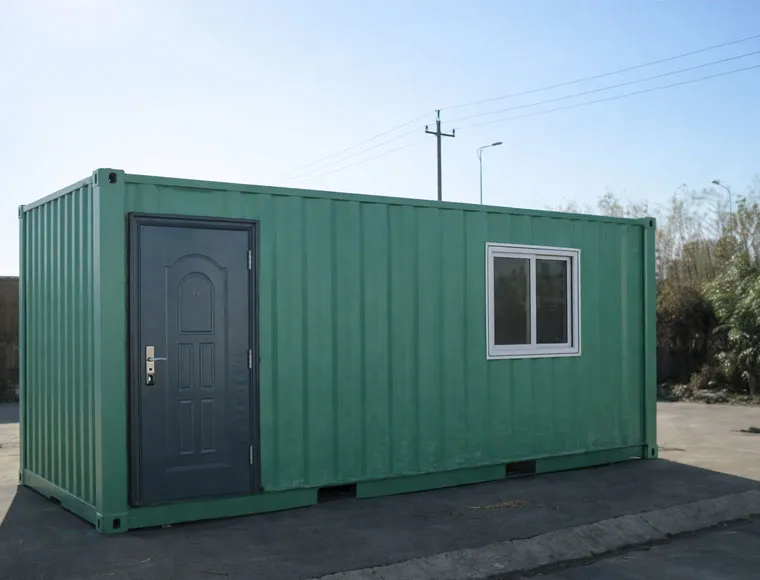
Good insulation is one of the most important parts of a comfortable container home. Without the right materials, the room may become too hot, too cold, or too noisy. This is why many projects use sandwich panels or insulated sandwich panels for walls and roofs.
A well-designed flat pack container house can be built to match the local climate. For hot areas, the design may focus on roof insulation, ventilation, reflective color choices, and air conditioning support. For cold regions, the building may need thicker panels, sealed joints, better windows, and stronger heating and cooling planning.
Better insulation can also help reduce energy bills. It keeps indoor temperature more stable and makes the space more safe and comfortable. For project camps, this matters a lot because workers need rest, privacy, and comfort after long workdays.
Can You Customize the Layout and Living Space?
Yes. One major benefit of a flat pack container building is that you can customize the layout. The buyer can choose room size, door direction, window position, toilet area, corridor arrangement, office partitions, meeting room space, and furniture planning.
Common layout options include:
- Single room accommodation
- Two-room or multi-room dormitory
- Office with meeting area
- Toilet and shower container
- Kitchen and dining unit
- Site clinic or testing room
- Security room or ticket office
- Combined living space for staff housing
A customizable design helps the unit serve real users, not just look good in a brochure. For a homeowner, comfort may mean a better bedroom and bathroom plan. For a contractor, it may mean fast installation and easy maintenance. For a developer, it may mean a clean modern design that supports long-term rental use.
What About Plumbing and Electrical Systems?
A flat pack container can be prepared for plumbing and electrical systems before delivery. This may include wiring routes, switch and socket positions, lighting, distribution boxes, water supply, drainage, bathroom fixtures, and air conditioner support.
When you need to plumb a kitchen, bathroom, or laundry area, the design should be planned early. Water pipes, drain outlets, and waterproof floors must match the final layout. The same is true for electrical systems. Poor planning can create messy wiring, safety risks, and expensive changes after installation.
KXD Steel recommends confirming these details before production. We can coordinate structural design, shop drawings, factory fabrication, quality inspection, export delivery, and installation support. This one-stop method helps reduce communication mistakes between the building supplier, site contractor, and project owner.
How Cost-Effective Is a Prefab Container Project?
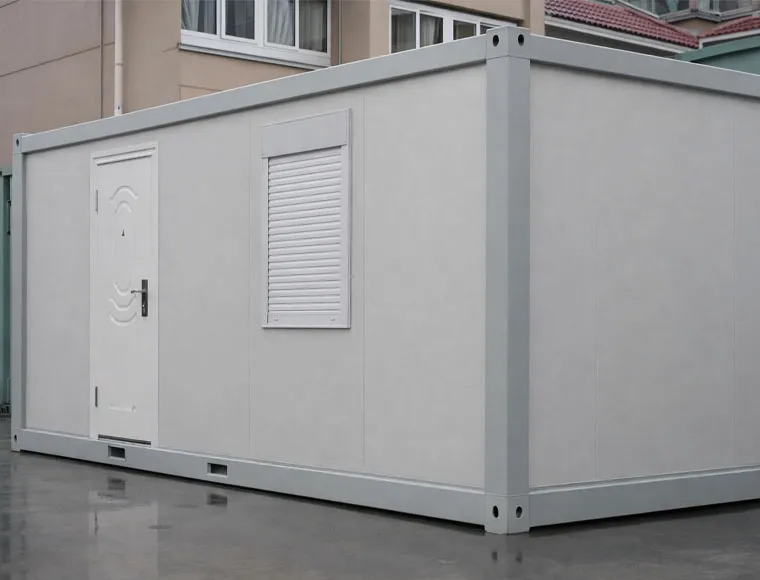
A prefab container project can be cost-effective because it saves time, reduces on-site labor, and improves transport efficiency. The flat pack design allows multiple units to be packed together, which may reduce freight cost per unit compared with larger welded modules.
The cost benefits are strongest when the buyer needs repeated units, fast site setup, or buildings in remote areas. For example, a mining camp, road project, bridge site, or industrial facility may need offices, dormitories, canteens, toilets, and storage rooms quickly. A flat pack container system can meet those needs without waiting for long local construction work.
Still, the lowest price is not always the best price. Buyers should check durability, material thickness, roof drainage, coating quality, panel type, wind resistance, installation support, and after-sales service. A cheap unit that leaks or deforms under harsh weather conditions can become expensive later.
Is a Flat Pack Container a Safe and Secure Living Space?
A well-engineered flat pack container house can provide a safe and secure living space when it is designed with proper structure, wind load, roof load, fire safety, insulation, waterproofing, and electrical protection. The key is not only the container shape. The key is engineering.
KXD Steel uses steel structure knowledge from industrial buildings, warehouses, workshops, aircraft hangars, poultry houses, bridges, and multi-storey steel structures. This experience helps us think beyond a basic room. We consider load-bearing safety, anti-corrosion treatment, factory welding quality, bolted connections, panel selection, and installation guidance.
Materials such as galvanized steel can improve corrosion resistance. Strong connection design can support better performance under different weather conditions. For project owners, this means the building should not only be fast to build. It should also be stable, practical, and reliable over time.
How Does KXD Steel Support Global Buyers?
KXD Steel is based in Qingdao, China, and serves global B2B engineering and construction buyers. Our core business is custom steel buildings and steel structure solutions, including prefabricated steel warehouses, industrial workshops, commercial buildings, aircraft hangars, steel structure poultry houses, prefabricated steel bridges, and container building systems.
For a container house for sale, we do more than quote a unit price. We help buyers understand the project conditions first. This includes use purpose, destination country, room quantity, size, loading plan, local environment, installation labor, and expected delivery time.
Our service can cover:
- Project consultation
- Structural design
- Shop drawings
- Factory fabrication
- Quality inspection
- Export delivery
- Installation support
- Long-term technical communication
This matters because overseas buyers often face different challenges: import planning, site schedule, labor limits, local standards, transport restrictions, and after-sales needs. A reliable manufacturing partner helps reduce risk before the goods leave the factory.
What Should Buyers Check Before Ordering?
Before ordering a flat pack container, buyers should check the full specification, not only the photo. A nice rendering cannot tell you whether the product can handle wind, rain, heat, cold, or daily use. Ask for drawings, material details, panel thickness, frame treatment, roof drainage design, door and window specification, and installation method.
Important questions include:
- What is the main frame material and thickness?
- Is the frame painted or galvanized?
- What type of insulation is used?
- Are doors, windows, roof, and joints waterproof?
- Can the unit be insulated for hot or cold regions?
- How are plumbing and power points arranged?
- How many people are needed for installation?
- What tools are needed on site?
- Can the building be expanded later?
For B2B buyers, these questions protect your budget and schedule. They also help you compare suppliers fairly. A strong housing solution should match both price and real project performance.
Why Is This an Eco-Friendly Living Option?
A flat pack container can support eco-friendly living when it uses efficient materials, careful production, good insulation, and recyclable steel parts. It can also reduce waste because many parts are produced in a factory with planned dimensions.
Compared with some site-built methods, factory production may create less cutting waste and fewer errors. A compact transport format can also improve logistics efficiency. For buyers who care about environmental impact, these details matter.
It is also part of a broader movement toward sustainable housing and prefabricated houses. The goal is not only to build cheaper. The better goal is to build smarter: faster, cleaner, safer, and easier to manage.
FAQs About Flat Pack Container Houses
How long does it take to assemble a flat pack container house?
The time depends on unit size, site condition, worker skill, tools, and whether plumbing or electrical work is included. Simple units can support quick assembly, while larger combined buildings need more planning and connection work.
Is a flat pack container house the same as a shipping container home?
Not always. Some container home projects use old shipping containers, but many flat pack systems are newly made from a steel frame and panels. This gives more control over size, structure, packing, and installation.
Can I customize a flat pack container house for offices or camps?
Yes. Buyers can often choose the room layout, doors, windows, wall materials, roof design, internal partitions, bathrooms, and utility points. KXD Steel can customize solutions for project offices, dormitories, camps, shops, and staff housing.
Is a flat pack container house suitable for harsh weather?
It can be, but only with the right design. The structure, roof, waterproofing, coating, anchoring, and panels must match the local wind, rain, snow, heat, or cold. Always share site conditions before production.
Are flat pack container houses a good alternative to traditional buildings?
They can be a strong alternative to traditional buildings when the project needs speed, transport efficiency, flexibility, and controlled factory production. For some permanent luxury housing, local construction may still be preferred, but for project use, container units are very practical.
What information should I provide to get a quote?
You should provide the destination country, use purpose, required size, number of units, room plan, insulation needs, door and window requirements, bathroom or kitchen needs, expected delivery time, and site environment. Better information leads to a better solution.



 June 08, 2026