Housing projects can become slow, costly, and hard to control when every detail depends on on-site work. Delays grow. Budgets tighten. A flat pack container house gives project owners a faster, cleaner, and more flexible way to build practical container houses.
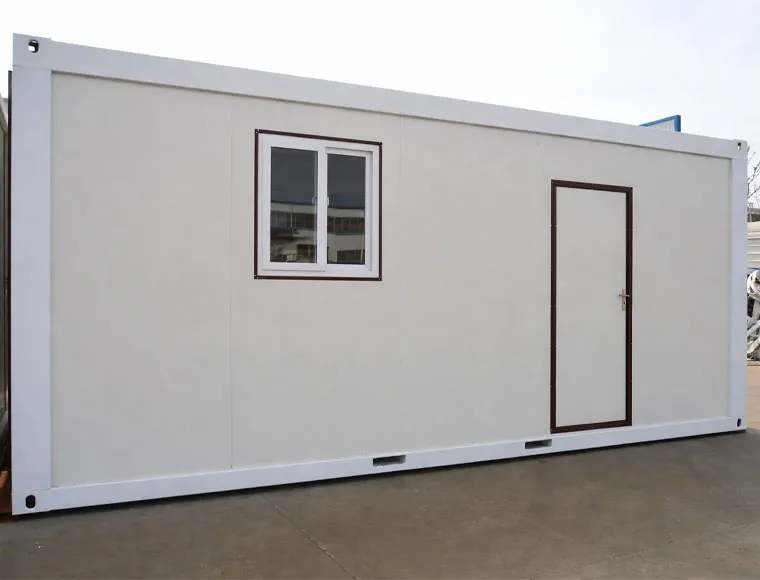
A flat pack container house is a modular housing unit made from a steel frame, insulated wall panels, roof panels, floor system, doors, windows, and pre-designed connection parts. It can be packed flat for efficient shipping, assembled on-site, and used as accommodation, office space, temporary housing, or project living solutions.
What Is a Flat Pack Container House?
A flat pack container house is a prefabricated container unit designed for quick assembly and easy transportation. Unlike traditional houses, most parts are made in a house factory before shipment. The steel frame structure, roof, floor, walls and roofs, doors, windows, and hardware are packed as a set, then installed at the project site.
The word “flat pack” means the unit is not shipped as a full-size finished box. Instead, the main parts are packed in a compact way. This helps improve efficient shipping, especially for overseas projects where freight cost matters. For buyers who need many container houses, this packing method can support better loading and lower logistics pressure.
In simple terms, flat pack containers are designed for modular construction. They are not only shelters. They are practical living solutions for construction camps, mining sites, offices, worker dormitories, temporary housing, emergency use, agricultural projects, and commercial support buildings.
Why Are Container Houses Popular for B2B Projects?
Container houses are popular because they answer a very real problem: project teams need usable space fast. A contractor may need a container office before a factory starts construction. A mining company may need worker accommodation in a remote area. A real estate developer may need a cost-effective temporary sales office. In these cases, speed matters.
Modular construction moves much of the work into a factory-controlled environment. Industry sources describe prefabrication as assembling components in a workshop before transport, while modular construction uses pre-engineered building units installed on-site as building blocks. This fits the logic of flat pack containers very well.
What Is Inside a Flat-Pack Container House?
A flat-pack container house normally includes a steel frame, roof frame, floor frame, insulated wall panels, roof panels, floor board, windows, doors, ceiling parts, fasteners, and optional interior systems. The exact configuration depends on the supplier and buyer requirements.
A good flat-pack container should not feel like a weak temporary box. The frame structure needs structural integrity. The galvanized steel frame should support lifting, transport, installation, and daily use. The wall panels should help insulate the room and protect people from weather conditions.
Common material choices include:
- Steel frame or galvanized steel frame for the main structure
- Sandwich panels or insulated sandwich panels for walls and roof
- Cement board, plywood, or other floor systems based on project use
- Aluminum or PVC windows
- Steel or insulated doors
- Optional bathroom, plumb lines, electrical systems, lighting, and air conditioning support
A 20ft container house is a common size for many project applications, but buyers can also choose larger layouts or combined units when more living space is needed.
Can You Customize a Container Home for Different Projects?
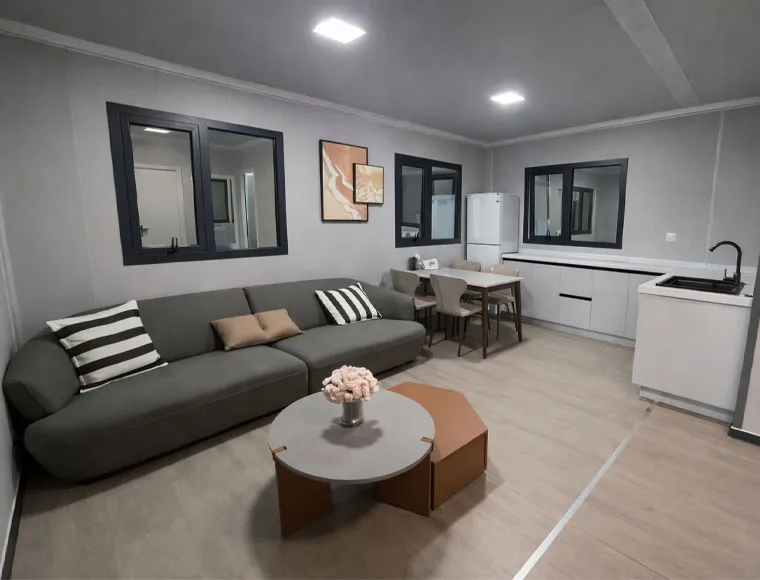
Yes. A container home can be customized for different functions, climates, budgets, and user groups. This is one reason container houses are useful for B2B buyers. A construction camp does not need the same layout as a tourist cabin. A container office does not need the same plumbing plan as a living container house.
You can customize the layout, window position, door type, wall panel thickness, insulation level, floor material, color, roof style, bathroom position, electrical systems, and furniture plan. For hot areas, better ventilation and roof insulation may be important. For cold areas, buyers may need higher insulation and tighter wall joints.
The best choice depends on how people will use the space. Ask simple questions first:
- Will it be used as a container house office or living space?
- Is it for temporary housing or long-term use?
- Will the site be hot, cold, humid, windy, or coastal?
- Do you need bathroom and kitchen systems?
- How many container houses must be delivered together?
- Will the units be moved again later?
This is where a customized housing solution becomes more valuable than a standard product.
Flat Pack Container Office, Living Container, or Temporary Housing: Which One Fits?
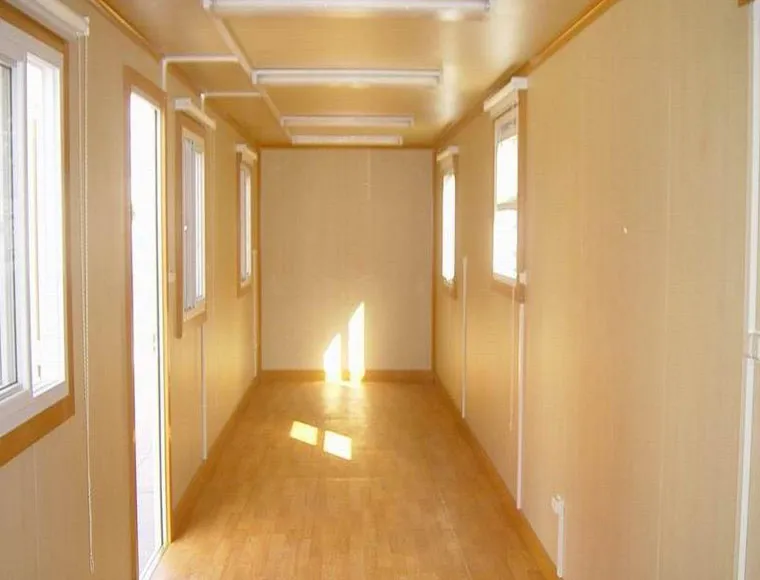
A flat pack container office is usually designed for work. It may include desks, lighting, sockets, air conditioning, and meeting space. These units are common on construction sites, industrial parks, road projects, factory expansions, and EPC project offices.
A living container is different. It needs more comfort. It may require bedrooms, bathrooms, kitchen areas, stronger insulation, better ventilation, and clean interior finishes. When many living units are placed together, the project may also need corridors, stairs, drainage planning, fire safety planning, and shared service areas.
Temporary housing focuses on fast use and cost control. It can be used for disaster relief, worker camps, short-term project accommodation, and temporary site support. A foldable house or portable container may also be considered when frequent relocation is needed. The right choice depends on how long the building will be used and how often it must be moved.
What Should Buyers Check Before Ordering Container Houses for Sale?
When searching for container houses for sale, do not only compare unit price. A very low price may hide weak panels, thin steel, poor sealing, unclear packing, or missing installation support. For B2B projects, these small problems can become expensive after delivery.
Before placing an order, buyers should confirm the design drawings, product size, steel thickness, galvanized steel treatment, wall panel type, insulation level, floor material, door and window quality, roof drainage, electrical systems, plumbing plan, packing method, and installation guide.
Why Work with KXD Steel for Flat Pack Container Houses?
KXD Steel serves global B2B engineering and construction projects with custom steel buildings and steel structure solutions. Our product scope includes prefabricated steel warehouses, industrial workshops, commercial buildings, aircraft hangars, multi-storey steel structures, steel structure poultry houses, prefabricated steel bridges, and flat pack container houses.
This matters because a flat pack container house is not just a small building product. It is also a steel structure product. The frame, roof, wall panels, connection parts, factory fabrication, packing, and installation support all need project thinking. KXD Steel is positioned as a steel structure manufacturer, engineering design partner, and prefabricated building solution provider based in Qingdao, China.
For overseas buyers, we can support one-stop service from project consultation, structural design coordination, shop drawings, factory fabrication, quality inspection, export delivery, and installation guidance. Our target customers include industrial project investors, manufacturing companies, warehouse and logistics operators, commercial developers, infrastructure contractors, agricultural investors, modular building buyers, and EPC contractors.
FAQs
What is a flat pack container house?
A flat pack container house is a prefabricated container unit shipped in compact flat-packed form and assembled on-site. It normally includes a steel frame, roof, floor, wall panels, doors, windows, and connection parts.
Are flat pack containers suitable for long-term use?
Yes, they can be suitable for long-term use if the structure, insulation, drainage, roof system, and maintenance plan are properly designed. For long-term projects, buyers should choose stronger materials and better weather protection.
Can container houses be used as offices?
Yes. A container office is one of the most common applications. It can be used as a site office, meeting room, guard room, sales office, project office, or temporary business space.
Can I customize the layout of a flat pack container home?
Yes. Buyers can usually customize the layout, door and window position, wall panel type, bathroom area, electrical systems, floor material, color, and interior function.
Are flat pack container houses better than shipping containers?
They are different. Shipping containers are designed mainly for cargo transport. Flat pack container houses are designed for living or working use, with building panels, doors, windows, insulation, and modular connection systems.
What should I send before asking for a quotation?
You should send the project use, quantity, layout idea, size requirement, climate condition, insulation preference, bathroom or kitchen needs, destination port, and any local building requirements. Drawings or reference photos are also helpful.



 June 02, 2026