Choosing the wrong steel can delay your project, increase costs, and weaken long-term safety. For industrial buyers, the risk is real. The solution is to choose the right steel materials, steel grade, and supplier before fabrication begins.
To choose the right structural steel for your project, check the load-bearing capacity, steel grade, corrosion resistance, fabrication quality, environmental conditions, project requirements, and supplier engineering support. The right steel supplier should help match steel products with your building design, local standards, budget, and long-term durability goals.
Why Does Choosing Structural Steel Matter for Project Success?
For any construction project, steel is not just a material. It is the backbone of the building. It supports the roof, walls, floors, cranes, equipment, wind load, snow load, and daily use. If the wrong material is selected, the whole project can face problems later.
The success of your project depends on many early decisions. One of the most important is choosing structural steel that fits your real use. A warehouse, industrial workshop, aircraft hangar, poultry house, bridge, and multi-storey structure all need different steel solutions.
At KXD Steel, we often see that overseas buyers care about safety, cost, delivery, and installation speed. These are practical concerns. To help ensure the building performs well, the structural steel must match the design load, local environment, fabrication method, and installation plan.
What Is Structural Steel and Why Is It Used in Construction?
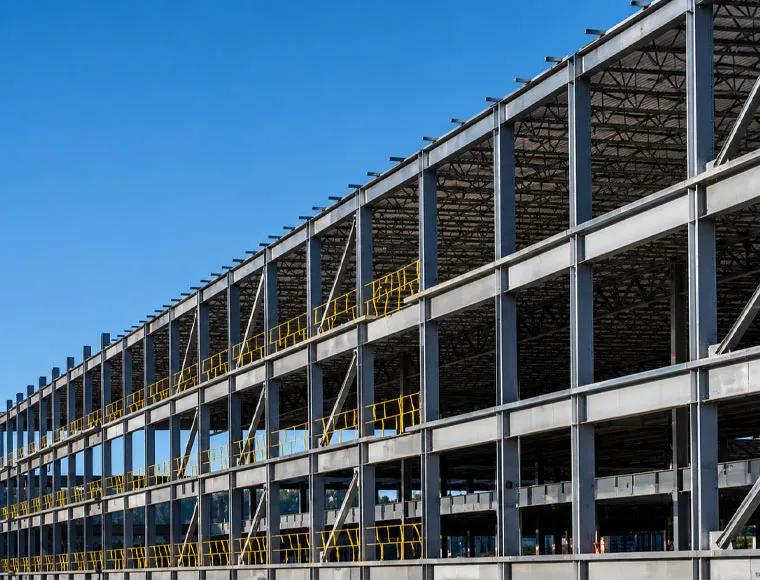
Structural steel is a category of steel used in construction projects to carry loads and form the main support system. It is commonly used for beams, columns, trusses, frames, platforms, bridges, warehouses, workshops, and industrial buildings.
Steel is widely used in construction because it offers strength, durability, and design flexibility. It can be cut, welded, drilled, bolted, painted, galvanized, and prefabricated into many shapes. This makes it useful for both small buildings and large industrial projects.
Compared with many traditional building materials, structural steel offers a strong strength-to-weight ratio. This means the structure can carry heavy loads without becoming too bulky. For industrial construction, this helps create wider spans, more open space, and faster construction on site.
How Do You Choose the Right Steel for Your Project?
To choose the right steel, start with the project requirements. What will the building be used for? Will it support cranes? Does it need long spans? Is it located near the sea? Does it need insulation, fire protection, or future expansion?
The right steel is not always the cheapest steel. It is the steel that matches structural requirements, load-bearing capacity, environmental conditions, and service life. A low-cost option may become expensive if it causes corrosion, deformation, difficult installation, or extra maintenance.
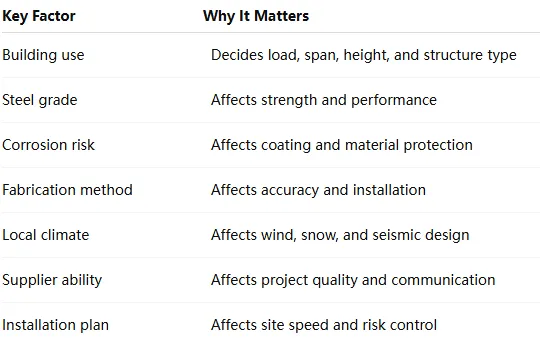
Here are the key factors to consider when choosing:
What Steel Grade Should You Consider for Industrial Buildings?
The steel grade is one of the first technical points to check. The grade of steel affects strength, weldability, toughness, and long-term performance. In industrial building projects, steel grades are usually selected according to structural calculations and local code requirements.
For example, heavier workshops, crane buildings, and large-span warehouses may need higher strength steel than a light storage shed. A professional supplier should not choose materials only by habit. The selection of structural steel should follow the building load, span, height, and working conditions.
Selecting the appropriate steel grade is especially important for warehouses with racking systems, workshops with overhead cranes, and bridges with vehicle loads. When the project requires higher load-bearing capacity, the steel grade and section size must be carefully reviewed by structural engineers.
What Type of Steel Is Best for Different Structural Applications?
There are several types of steel used in construction. The most common type of steel for many structural applications is carbon steel. Carbon steel is commonly used because it provides practical strength, easy fabrication, and reasonable cost for beams, columns, frames, and standard structural members.
Alloy steel may be used when special mechanical properties are needed. A type of alloy steel can offer better strength, toughness, or resistance properties depending on the composition. Weathering steel may be used in some outdoor structural applications where atmospheric corrosion behavior is important.
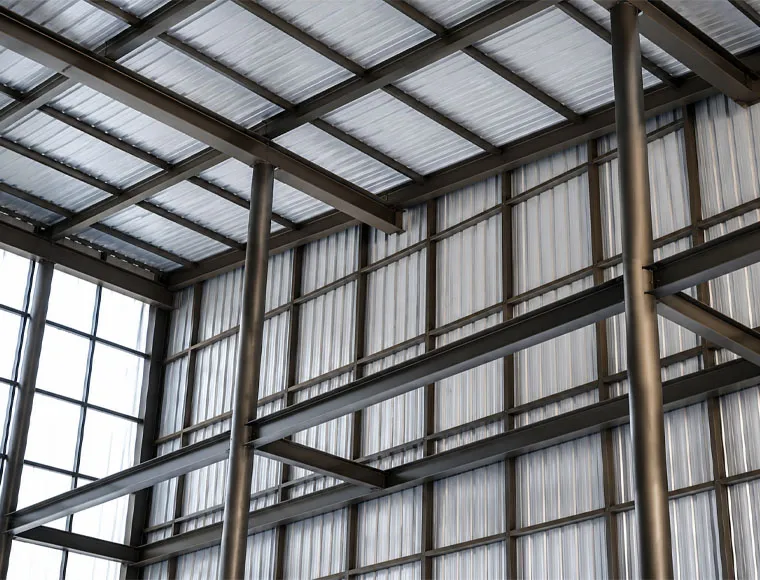
Different types of structural steel materials can include hot-rolled steel, welded steel, galvanized steel, steel plates, H-sections, box columns, and hollow sections. The best choice depends on the specific structural requirements of the project.
Why Do Environmental Conditions Affect Steel Material Selection?
Environmental conditions play a major role in material selection. A building in a dry inland area may not need the same protection as a project near the coast. High humidity, salt air, chemicals, livestock gases, or industrial fumes can increase corrosion risk.
For projects in harsh environments, galvanized steel or protective coating systems may be recommended. Hot-dip galvanized steel offers excellent corrosion resistance by adding a zinc layer to the steel surface. This makes it ideal for humid, coastal, agricultural, or chemical-exposure environments when properly selected.
Corrosion does not only affect appearance. It can reduce steel thickness and weaken structural integrity over time. That is why buyers should tell their steel supplier about local climate, chemical exposure, humidity, temperature changes, and project location before finalizing steel materials.
How Do Fabrication Quality and Welding Affect Structural Integrity?
Good steel materials still need good fabrication. Steel fabrication includes cutting, drilling, welding, assembling, surface cleaning, coating, marking, and packing. If the fabrication is inaccurate, the installation team may face delays, rework, or alignment problems on the construction site.
Weld quality is especially important for heavy structural elements. Poor welding can create weak points, while accurate welding helps maintain strength and durability. Bolted connections also matter. Bolt holes must align, plates must match, and components should be marked clearly before delivery.
For prefabricated steel buildings, factory fabrication is a major advantage. Steel components can be produced under controlled conditions, inspected before shipment, and packed for export. This helps reduce on-site uncertainty and supports faster construction.
What Should You Check When Choosing a Structural Steel Supplier?
Choosing a structural steel supplier is not only about comparing price. The right structural steel supplier should understand design, fabrication, quality control, export delivery, and installation support. For overseas projects, communication ability is just as important as production ability.
When selecting a steel supplier, buyers should ask:
- Can the supplier support structural design or shop drawings?
- Can they fabricate steel products according to project drawings?
- Do they understand local wind, snow, and seismic requirements?
- Can they provide suitable surface treatment?
- Do they support export packing and delivery coordination?
- Can they offer installation guidance for local teams?
A good supplier should help buyers avoid under-design, over-design, missing accessories, unclear drawings, and poor packing. These problems can affect the project schedule and final building quality.
How Can KXD Steel Support Custom Steel Building Projects?
KXD Steel is a steel structure manufacturer, engineering design partner, and prefabricated building solution provider based in Qingdao, China. We serve global B2B engineering and construction projects with custom steel buildings and steel structure solutions.
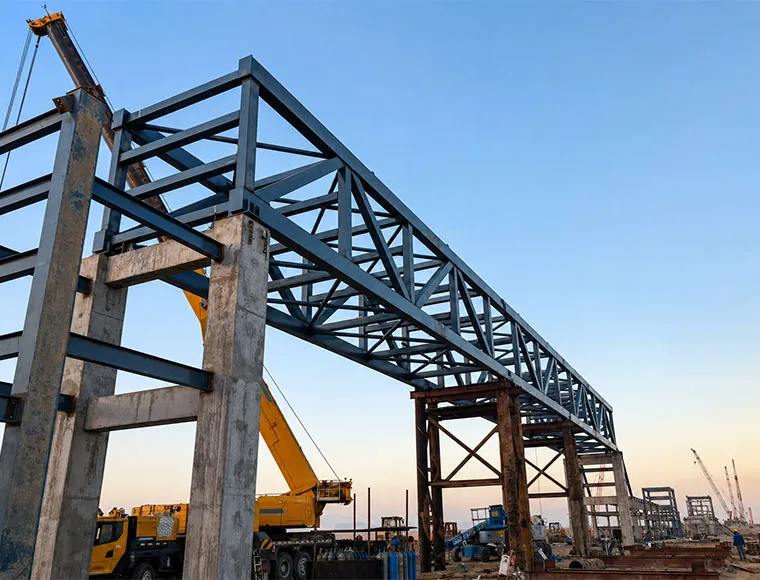
Our product scope includes prefabricated steel warehouses, industrial workshops, commercial buildings, aircraft hangars, multi-storey steel structures, steel structure poultry houses, prefabricated steel bridges, and flat pack container houses. This means we understand different building types, not only one category of steel product.
For each project, KXD Steel can support project consultation, structural design, shop drawings, factory fabrication, quality inspection, export delivery, and installation support. This helps buyers select the right structural steel, reduce project risk, and move from concept to buildable solution.
What Information Should Buyers Prepare Before Requesting a Quote?
Before asking for a quote, buyers should prepare clear project information. This helps the supplier recommend the right material, steel grade, structure type, and fabrication plan. It also reduces repeated communication.
Useful information includes:
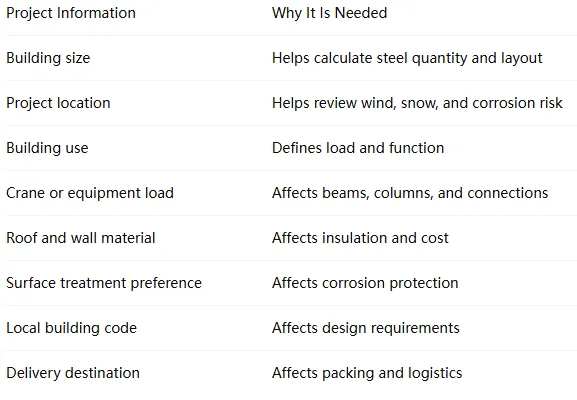
If you are not sure about all technical details, you can still start with the basic size, usage, and location. KXD Steel can help review the next questions step by step.
How Do Different Steel Products Match Different Building Needs?
A range of structural steel products may be used in one project. H-beams and columns form the main frame. Steel plates are used for base plates, connection plates, and stiffeners. Purlins and girts support roof and wall systems. Bracing helps resist lateral forces.
For a warehouse, the focus may be clear-span space and storage flow. For an industrial workshop, crane beams and equipment layout may be more important. For a bridge, fatigue, span, and traffic load become key factors. For a poultry house, corrosion resistance and ventilation may matter more.
This is why selecting the correct steel depends on the building type. The same steel product may perform well in one project but may not be suitable for another. Proper matching helps protect safety, budget, and long-term use.
Why Is Structural Steel Useful for Prefabricated Building Projects?
Prefabricated steel buildings are popular because many components can be made before they arrive on site. This can help shorten the construction period and reduce site work. Factory preparation also helps improve dimensional control.
When steel components are prefabricated, the supplier can cut, drill, weld, coat, inspect, and mark parts in advance. Then the site team can assemble the structure with bolts according to shop drawings. This is useful for overseas buyers who need clear installation guidance.
Prefabrication also supports project cost control. It does not remove the need for careful engineering, but it makes the process more predictable. With the right supplier, prefabricated steel building solutions can support fast construction and stable quality.
What Role Do Structural Engineers and Architects Play?
Structural engineers and architects play a key role in material selection. Structural engineers calculate loads, check member sizes, and help ensure the structural integrity of the building. Architects consider function, layout, appearance, and user needs.
A good steel supplier should cooperate with structural engineers and architects. This cooperation helps turn project ideas into practical steel structure designs. It also reduces the gap between design intent and factory fabrication.
For industrial projects, this teamwork is important. A building may need office space, storage, production zones, cranes, loading docks, insulation, ventilation, and future expansion. Good coordination helps select the right material and avoid later changes.
Case Example: Choosing Steel for an Industrial Warehouse Project
Imagine an investor planning a new industrial warehouse. The building needs large open space, storage racks, truck access, roof ventilation, and future expansion. The project is located in a humid coastal area.
In this case, the buyer should consider clear-span steel framing, a suitable steel grade, corrosion protection, roof and wall cladding, and local wind load. Galvanized steel or stronger coating may be a better choice than basic paint. The supplier should also provide shop drawings and installation guidance.
KXD Steel would first review the site, building use, storage load, local climate, and project schedule. Then we would recommend a custom steel structure solution that fits the buyer’s project needs.
FAQs
How do I choose the right structural steel for my project?
To choose the right structural steel, review the building use, load-bearing capacity, steel grade, environmental conditions, corrosion risk, fabrication method, local code, and installation plan. A professional supplier can help match these factors with the proper steel material.
What is the most common type of structural steel?
Carbon steel is a common type of structural steel used in construction because it offers practical strength, good fabrication performance, and cost efficiency. However, the best material depends on the specific project requirements.
Why is steel grade important in construction?
Steel grade affects tensile strength, weldability, toughness, and load capacity. Selecting the correct grade helps protect structural safety and long-term durability.
When should I use galvanized steel?
Galvanized steel is useful when the project faces high corrosion risk, such as coastal, humid, agricultural, or industrial environments. It provides a protective zinc coating that helps improve corrosion resistance.
What should I ask a steel supplier before ordering?
Ask about design support, material grade, fabrication ability, coating options, quality inspection, export packing, delivery coordination, and installation guidance. These factors can impact project success.
Can KXD Steel provide custom structural steel products?
Yes. KXD Steel provides custom steel buildings and steel structure solutions, including warehouses, workshops, commercial buildings, hangars, multi-storey structures, poultry houses, bridges, and container houses.



 July 02, 2026