مواصفات وأطوال جسر المشاة الفولاذي الجملوني الجاهز

3 سبتمبر 2026
الفريق الفني وفريق المشاريع في KXD Steel | مجموعة هندسة الهياكل الفولاذية | نُشر في 3 سبتمبر 2026
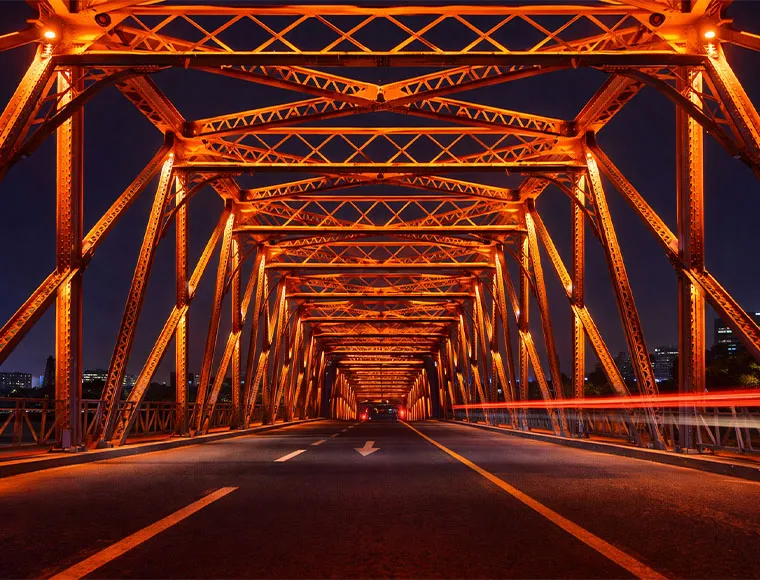
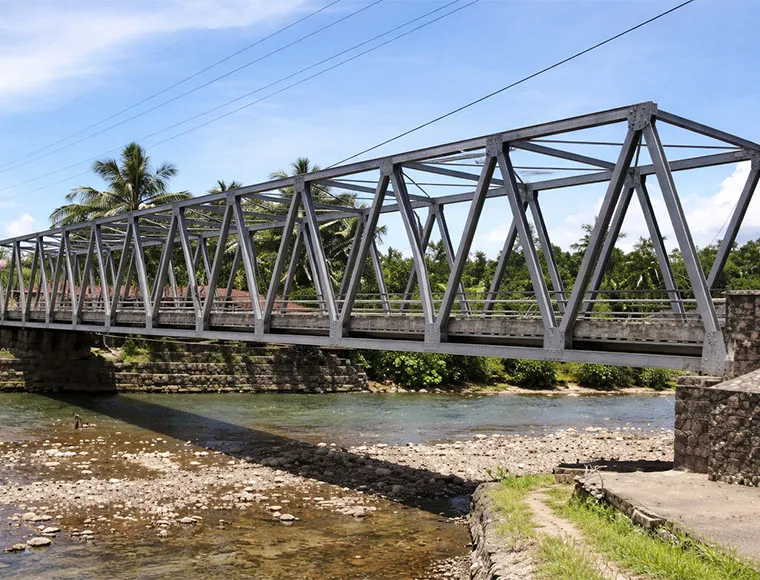
جسر المشاة الفولاذي الجمالوني مسبق الصنع هو هيكل يُصنَّع في المصنع ويُجمَّع بالمسامير، وتُحدَّد أبعاده حسب المعبر المطلوب بدلاً من بيعه وفق جدول أبعاد ثابت. فعرض السطح والبحر وطول قطع الشحن تُهندَس لكل مشروع على حدة؛ أما ما يبقى موحَّداً في جميع الطلبات فهو المنهج الإنشائي والحد الأدنى لحجم الطلب والشهادات.
لماذا لا توجد ورقة مواصفات موحّدة لهذا المنتج
تنشر وثائق المشاريع البلدية والأوراق الأكاديمية الخاصة بمواد الأسطح أرقاماً تتعلق بجسر واحد محدد — جسر مشاة بعينه له بحره الخاص وعرض سطحه الخاص وخطة شحنه الخاصة. ولا تجمع أي منها هذه الأرقام في جدول اختيار يمكن للمشتري استخدامه قبل تحديد نطاق المشروع، كما لا تفعل ذلك ورقة مواصفات أي مورّد منفرد، لأن جسور المشاة الجمالونية لا تُصنَّع وفق أبعاد كتالوجية كما هي الحال في الكمرة I القياسية. فالبحر والعرض وتصنيف الأحمال تُهندَس جميعها بحسب المعبر المحدد وظروف الأساسات والجهة التنظيمية المختصة بالكود.
وهذا وضع مختلف عن منتجات المباني لدى KXD، حيث تنشر الشركة نطاق بحر ثابتاً (حتى 100 متر) للمباني الفولاذية القياسية. أما بالنسبة إلى جسر فولاذي مسبق الصنع / خط الجسور الفولاذية المعيارية (الطراز KXDF-01)، تغطي معلومات المنتج المنشورة التكوين الإنشائي ومعاملات الطلب بدلاً من جدول رقمي للبحور — وهو فرق يجدر ذكره بوضوح بدلاً من الخلط بين خطي المنتجين.
ما هو المنشور فعليًا عن هذا المنتج
| المعلمة |
التفاصيل المنشورة |
| التكوينات الإنشائية المتاحة |
جمالون فولاذي، كمرة صفائحية، كمرة صندوقية ملحومة |
| طريقة الإنشاء |
وحدات نمطية / مسبقة الصنع، تجميع موقعي بالمسامير |
| التطبيقات |
الطرق السريعة، السكك الحديدية، المشاة، الصناعة، التعدين، الوصول المؤقت، الجسور العلوية الحضرية |
| الحد الأدنى لكمية الطلب |
600 م² |
| القدرة على التوريد شهريًا (خط المنتجات) |
٨٬٠٠٠ طن |
| الشهادة المدرجة في صفحة المنتج |
ISO |
| النطاق السعري |
من 40 إلى 100 دولار أمريكي/م²، حسب المواصفات |
| أرقام محددة للبحر الصافي |
غير منشورة — تُحدَّد هندسيًا لكل مشروع |
| معايير عرض سطح الجسر |
غير منشورة — تُحدَّد هندسيًا لكل مشروع |
| حدود طول مقاطع الشحن |
غير منشور — يعتمد على المسار وطريقة النقل |
تذكر ثلاثة صفوف في ذلك الجدول عبارة “غير منشور” بدلًا من رقم، وهذا مقصود. فملؤها بأرقام تبدو معقولة سيشوّه حقيقة ما أفصحت عنه KXD فعليًا بشأن خط المنتجات المحدد هذا، رغم أن مثل هذه الأرقام متداولة بصورة غير رسمية للمباني، ويُطلب تقديمها للجسور أثناء إعداد عروض الأسعار.
كيف يؤثر تكوين الجمالون في قرارات البحر
حتى من دون جدول ثابت للبحور، فإن المنطق الإنشائي الذي يحكم جسور الجمالونات المخصصة للمشاة يمتد عبر القطاع بأكمله، ويستحق توضيحه:
- تحمل العناصر المثلثة الأحمال بكفاءة أكبر من الشبكة المصمتة عند البحور الأطول، ولهذا يكون تكوين الجمالون عادةً الخيار الافتراضي عندما يحتاج جسر المشاة إلى عبور طريق أو خط سكة حديد أو مجرى مائي، بدلاً من سد فجوة قصيرة.
- يتحدد عرض سطح الجسر بحسب حجم حركة المشاة وراكبي الدراجات المتوقع، وليس بحسب بحر الجمالون نفسه؛ إذ يحتاج مسار واسع متعدد الاستخدامات لعبوره إلى عرض أكبر لسطح الجسر من جسر مشاة ضيق للمرور في صف واحد، بغض النظر عن طول البحر الذي يمتد عليه.
- يُحدَّد طول مقطع الشحن وفقًا لقيود المسار، وليس وفقًا لحجم تصنيع مثالي. فقد يلزم تقسيم جسر جمالوني يمكن شحنه كوحدتين طويلتين إلى ثلاثة أو أربعة مقاطع أقصر إذا كان مسار التسليم يتضمن منعطفات ضيقة أو جسورًا منخفضة أو طرقًا تفرض قيودًا على الوزن.
- يتغير تصميم الأساسات والدعامات الطرفية تبعًا لطول البحر وظروف تربة الموقع، وهذا أحد أسباب عدم انطباق جدول ثابت يربط بين طول البحر والسعر من مشروع إلى آخر.
وهنا أيضًا يحدث أكثر أوجه سوء الفهم شيوعًا: اعتبار كلمة “مسبق الصنع” مرادفًا لعبارة “أبعاد موحّدة”. فالتصنيع المسبق يصف كيفية بناء الجسر (تصنيعُه في الورشة، وشحنُه كوحدات، وتجميعُه بالمسامير في الموقع)، ولا يعني أن كل طلب يشترك في طول بحر أو عرض مدرج في الكتالوج.
التطبيقات التي يُحدَّد فيها هذا التكوين
معابر المشاة فوق الطرق أو السكك الحديدية — وهي حالة الاستخدام الأساسية لتكوين الجمالون في مشروعات جسور المشاة، إذ يُختار لكفاءته في تغطية البحر مقارنةً بجسر ذي عارضة صفائحية.
- المسارات متعددة الاستخدامات (للمشاة وراكبي الدراجات) — يصبح عرض السطح هو العامل الحاسم أكثر من طول البحر.
- ممرات المشاة المؤقتة أو القابلة للنقل — تتيح الوصلات المثبتة بالمسامير تفكيك الهيكل ونقله إذا كان العبور قصير الأجل.
- الجسور الحضرية العلوية المشتركة للمركبات والمشاة — تُقرن أحيانًا بمقاطع جوائز صندوقية عندما تكون الأحمال الالتوائية الناتجة عن حركة المرور المختلطة عاملًا مؤثرًا.
الأسئلة الشائعة
س: ما طول البحر الذي يمكن لجسر مشاة فولاذي مسبق الصنع تغطيته؟
ج: لا تنشر KXD جدولًا ثابتًا لأطوال البحور لهذا المنتج؛ إذ يُصمَّم البحر هندسيًا لكل معبر استنادًا إلى ظروف الموقع ومتطلبات الأحمال، ويُؤكَّد أثناء عملية تقديم عرض السعر.
س: ما هو الحد الأدنى لحجم الطلب؟
ج: 600 م²، وهو نفس الحد الأدنى للطلب المعلن عنه في جميع خط منتجات الجسور لدى KXD.
س: هل تكلفة الامتداد الأطول أعلى بشكل متناسب لكل متر مربع؟
ج: يتراوح السعر بين 40 و100 دولار أمريكي للمتر المربع بحسب المواصفات، لكن الامتداد وحده ليس العامل الوحيد المؤثر — فعرض السطح، وفئة التحميل، وظروف الموقع/الأساسات تؤثر جميعها في تحديد موضع المشروع ضمن هذا النطاق.
س: هل يمكن شحن الجسر دفعة واحدة؟
ج: ليس عادة. يتم تحديد أبعاد الأقسام النمطية بحسب قيود الطريق (المنحنيات، الارتفاع المسموح، حدود الوزن) بقدر ما تتحدد بحسب سهولة التصنيع، لذا فإن عدد الأقسام يعتمد عادة على مسار التوصيل، وليس على معيار شحن ثابت.
ينبغي للمشترين الذين يقارنون خيارات جسور المشاة الجملونية أن يتعاملوا مع أرقام الامتداد والعرض المنشورة من مشاريع أخرى كنقاط مرجعية، لا كقائمة جاهزة للاختيار — فالأرقام التي تهم فعلاً هي تلك الناتجة عن مراجعة فعلية للموقع والأحمال.