الفريق الفني وفريق المشاريع في KXD Steel | مجموعة هندسة المنشآت الفولاذية | نُشر في 2 سبتمبر 2026
A جسر فولاذي معياري هو منشأ مُسبق الصنع يُشحن على هيئة مقاطع تُجمَّع بالمسامير، بدلاً من صبّه أو لحامه في الموقع. ولا يعتمد اختيار التكوين المناسب — جملون، أو كمرة صفائحية، أو كمرة صندوقية ملحومة — على البحر وحده بقدر ما يعتمد على كيفية تحميل المعبر والوصول إليه وتجميعه.
ثلاثة أنواع إنشائية، وثلاثة استخدامات مختلفة
لا تبدو كل الجسور الجملونية الفولاذية متشابهة عند تجاوز الصور التسويقية، كما أن التكوينات الثلاثة التي تصنعها KXD تعالج مشكلات مختلفة.
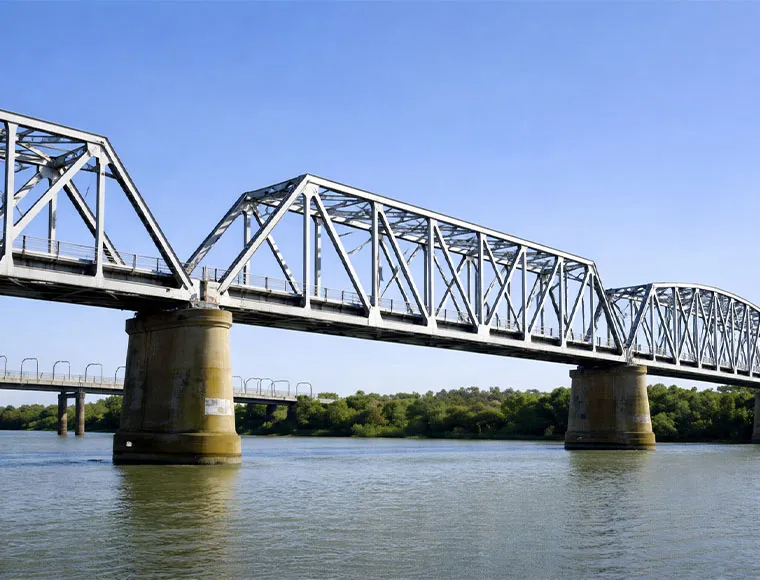
تستخدم جسور الجمالونات الفولاذية عناصر مثلثة لنقل الأحمال، مما يقلل وزن الفولاذ مقارنةً بالبحر. وهي مناسبة لمعابر الطرق السريعة والسكك الحديدية حيث لا يمكن تجنب وجود فجوة طويلة بلا دعامات، كما أن تصميم الشبكة المفتوحة يسهّل أعمال الفحص لاحقًا.
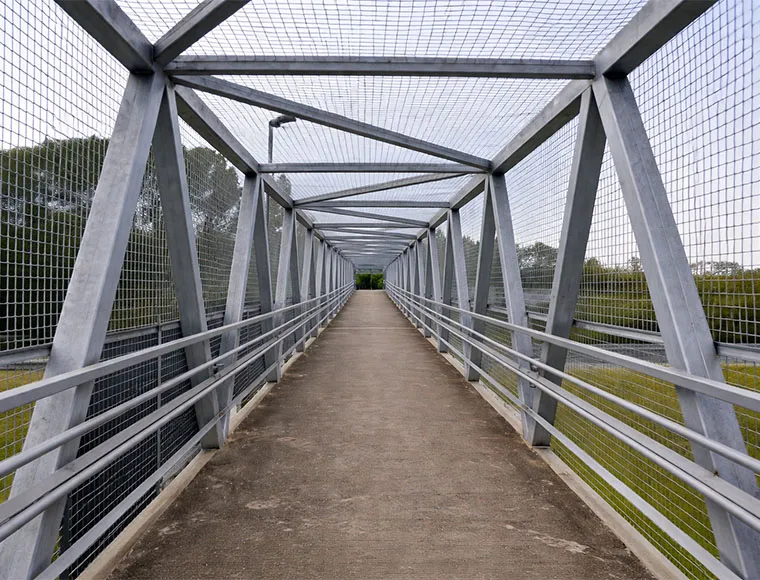
تعتمد جسور الكمرات الصفائحية على صفائح ملحومة مصمتة بدلًا من شبكة مثلثة. وتكلفة تصنيعها أقل للبحور القصيرة والمتوسطة، كما أن سطحها السفلي المستوي يسهل العمل عندما تكون الخلوصات أسفل سطح الجسر محدودة، مثل جسر مشاة فوق طريق، على سبيل المثال.
تغلق جسور الكمرات الصندوقية الملحومة المقطع في شكل صندوق مقاوم للالتواء. وتكتسب هذه الصلابة الالتوائية أهميتها القصوى عندما يتعرض الجسر لأحمال غير متساوية أو غير مركزية، مثل مسارات نقل الخامات في المناجم، أو الجسور الحضرية العلوية المنحنية، أو المعابر التي تحمل حركة المركبات والمشاة معًا على سطح جسر غير متماثل.
لا يُعد أي نوع من الأنواع الثلاثة “أفضل” على نحو مطلق. فالكمر الصفائحي المصمم لطريق نقل خامات في منجم وتتعرض جوانبه لأحمال الرافعات الشوكية سيلتوي بدرجة أكبر مما سيلتوي به الكمر الصندوقي؛ أما استخدام كمر صندوقي لجسر مشاة قصير فعادةً ما يعني دفع تكلفة صلابة لا يحتاج إليها أحد.
أين يُستخدم كل تكوين
تشمل التطبيقات المنشورة لشركة KXD ضمن خط المنتجات هذا مشاريع الطرق السريعة والسكك الحديدية وممرات المشاة والمنشآت الصناعية والتعدينية وممرات الوصول المؤقتة والجسور العلوية داخل المدن. ويكون اختيار نوع الهيكل المناسب لحالة الاستخدام على النحو التالي عمليًا:
1. معابر الطرق السريعة والسكك الحديدية — تكوين جمالوني للبحور الصافية الطويلة مع أحمال متمركزة ويمكن التنبؤ بها.
2. الجسور العلوية المخصصة للمشاة وللاستخدامات الحضرية الخفيفة — جسر ذو عوارض صفائحية، مع إعطاء الأولوية لانخفاض تكلفة التصنيع و浅 عمق سطح الجسر.
3. مسارات نقل المواد في المناجم والمنشآت الصناعية — جسر صندوقي، حيث تكون الأحمال الالتوائية الناتجة عن المعدات الثقيلة أمرًا معتادًا وليس عرضيًا.
4. جسور الوصول المؤقتة — هيكل جمالوني أو جسر ذو عوارض صفائحية، ويُختار أساسًا وفقًا لسرعة تجميع الوحدات بالمسامير وسهولة نقلها إلى موقع آخر.
تستحق مشاريع الوصول المؤقت ملاحظة منفصلة: العامل الحاسم هنا نادرًا ما يكون قدرة التحمل. المسألة هي عدد الوصلات المبرشمة التي يتعين على الطاقم إنجازها قبل فتح السطح للحركة، وهي مسألة جدولة أكثر من كونها مسألة هندسية.
مقارنة الأنواع في لمحة
| العامل |
الجسر الجملوني (Truss Bridge) |
جسر العارضة الصفائحية (Plate Girder Bridge) |
عارضة صندوقية ملحومة |
| الاستخدام النموذجي |
الطرق السريعة، السكك الحديدية، الامتدادات الطويلة |
المشاة، الامتداد القصير إلى المتوسط |
التعدين، الصناعي، الأحمال المنحنية/غير المتماثلة |
| مسار تحميل الأحمال |
أعضاء مثلثية |
صفيحة جانبية ملحومة مصمتة |
صندوق مغلق مقاوم للالتواء |
| الصلابة الالتوائية |
متوسط |
أدنى |
الأعلى |
| تعقيد التصنيع |
أعلى (مزيد من اللحامات/الوصلات) |
أدنى |
أعلى (لحام مقطع مغلق) |
| خلوص السطح |
مطلوب عمق أكبر |
سقف ضحل |
متوسط |
| الأنسب للمشاريع المؤقتة/القابلة للنقل |
نعم |
نعم |
أقل شيوعًا |
بالمقارنة مع البيانات الصحفية للموردين ولغة تقديم براءات الاختراع التي تهيمن على معظم نتائج البحث حول هذا الموضوع، يهدف هذا الجدول إلى الإجابة على سؤال واحد أكثر تحديدًا: أي تكوين يناسب حالة تحميل ووصول معينة، وليس أي علامة تجارية بنت أطول جسر العام الماضي.
البناء المعياري: ما الذي يغيره “التركيب بالمسامير” فعليًا في الموقع
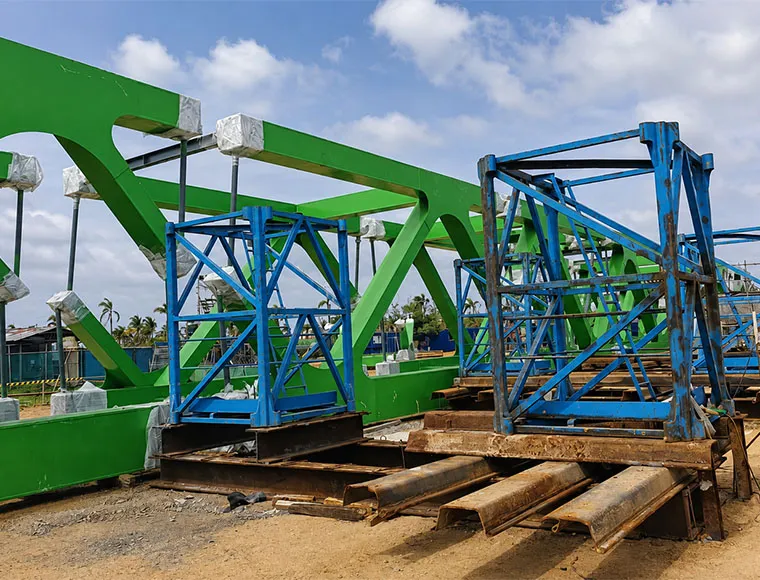
المعامل الذي يؤثر أكثر على جدول البناء ليس الامتداد أو درجة الفولاذ — بل ما إذا كان الجسر ملحومًا ميدانيًا أم معياريًا يُركّب بالمسامير. جسر KXD الفولاذي الجاهز (الجسر الفولاذي المعياري, ، الطراز KXDF-01) يتم تصنيعه وتركيبه مسبقاً في المصنع، ثم يُشحن على شكل أقسام يتم ربطها معاً بالمسامير في الموقع.
هذا ينقل العمل الحرج من الموقع إلى المصنع:
- يتم قطع الأقسام ولحامها وثقبها مسبقاً لتتطابق في المصنع، حيث يتم التحكم في التفاوتات وتكون إعادة العمل رخيصة الاكتشاف.
- تُشحن الوحدات إلى الموقع كوحدات منفصلة قابلة للرفع بدلاً من الألواح والعوارض الخام.
- تقوم الأطقم بربط الوصلات بالمسامير بالتسلسل بدلاً من إجراء اللحامات الميدانية، مما يقلل عدد العمليات المعتمدة على الطقس.
- يركز التفتيش على عزم الدوران للبراغي والمحاذاة بدلاً من فحوصات جودة اللحام التي تتطلب مفتشي لحام معتمدين في الموقع.
المقايضة هي أن وصلات البراغي تحتاج إلى تفاوتات تصنيع أكثر صرامة مسبقاً — خطأ في الورشة كان من الممكن إصلاحه بلحام سريع في الموقع يصبح جزءاً مشحوناً لا يتطابق. هذا قيد حقيقي يستحق التخطيط له، وليس مجرد ملاحظة هامشية.
موقع هذا المنتج من حيث النطاق وحجم الطلب
المعايير المنشورة من KXD لهذا الخط أضيق من منتجات المباني الخاصة بها، وهذا يستحق التصريح به بوضوح بدلاً من الحشو بالصفات:
- التكوينات المعروضة: جمالون فولاذي، عارضة صفيحة، عارضة صندوقية ملحومة — جميعها متوفرة بشكل نمطي/جاهز.
- الحد الأدنى لكمية الطلب: 600 متر مربع.
- القدرة الإنتاجية المعلنة لهذه الفئة من المنتجات: 8,000 طن/شهر.
- الشهادة المدرجة في صفحة المنتج: ISO.
- النطاق السعري: 40-100 دولار أمريكي/متر مربع، حسب المواصفات.
هناك أمران غير معلنين لهذا الخط المحدد ولا ينبغي افتراضهما من خلال استعارة الأرقام من كتالوج المباني الخاص بـ KXD: رقم واضح للبحر الحر وعمر تصميم محدد. يجب على المشترين الذين يقارنون هذا بالهياكل الفولاذية للمباني أن يطلبوا أرقامًا خاصة بالمشروع للبحر وعمر الخدمة بدلاً من افتراض أن عمر التصميم البالغ 50 عامًا لخط المباني ينطبق هنا — فأحمال الجسور ودورات الإجهاد هي مسألة هندسية مختلفة.
خطأ شائع في الفهم: كلمة “معياري” لا تعني “مقاس واحد يناسب الجميع”
أكثر خطأ متكرر في استفسارات الجسور لا يتعلق بدرجة الفولاذ — بل بافتراض أن النظام المعياري يعني إعادة استخدام وحدة قياسية واحدة في كل مشروع. في الواقع، يتم تصميم طول الجسر، وعرض السطح، ومعدل التحميل، وتفاصيل التوصيل خصيصًا لكل مشروع حتى لو ظلت طريقة التصنيع والشحن (الوحدات المُجمَّعة بالبراغي) ثابتة. طلب “جسر معياري” دون تحديد فئة التحميل والتطبيق هو أسرع طريقة للوصول إلى تصميم يحتاج إلى إعادة هندسة بعد تقديم عرض السعر.
الشهادات وما تغطيه فعليًا
الـ صفحة منتج الجسر يذكر شهادة ISO. لتوضيح ما يعنيه هذا التصنيف عمليًا: تُعرّف منظمة ISO معيار إدارة الجودة بأنه ISO 9001، ومعيار الإدارة البيئية بأنه ISO 14001، ومعيار الصحة والسلامة المهنية بأنه ISO 45001 — وهي الأنظمة الثلاثة الأكثر شيوعًا التي يشير إليها معظم المصنّعين عند ذكر “ISO” بشكل عام. يجب على المشترين الذين يوردون لصالح جهات قضائية تتطلب شهادة خاصة بالفولاذ الإنشائي (مثل EN 1090 في أوروبا) التأكد من المعيار المحدد الذي ينطبق على طلب الجسر، إذ إن شهادة نظام الإدارة ISO وشهادة الإنشاء على مستوى المنتج ليستا الشيء نفسه.
الأسئلة الشائعة
س: ما الفرق بين جسر العارضة الصفائحية وجسر العارضة الصندوقية؟
ج: تستخدم العارضة الصفائحية (plate girder) وترًا مفتوحًا من الصفائح المُلحّمة؛ أما العارضة الصندوقية (box girder) فتغلق المقطع لتشكّل أنبوبًا مقاومًا للالتواء. تتعامل العارضات الصندوقية بشكل أفضل مع الأحمال غير المتساوية أو غير المتمركزة، وهو أمر مهم في الطرق المنحنية أو الأسطح المزدوجة الاستخدام للمركبات والمشاة.
س: هل يمكن نقل الجسر الفولاذي المعياري إلى موقع آخر بعد تركيبه؟
ج: يجعل التركيب بالبراغي عملية الفك وإعادة النقل أكثر عملية مقارنة بالهياكل المُلحّمة في الموقع، وهذا ما يفسر شيوع استخدام تكوينات الجملون (truss) والعارضة الصفائحية في مشاريع الطرق المؤقتة. أما العارضات الصندوقية فتُستخدم بشكل أقل لهذا الغرض بسبب تعقيد عملية التصنيع.
س: ما المعلومات التي تحتاجها KXD لتقديم عرض سعر لجسر فولاذي معياري؟
ج: نوع الاستخدام (طرق سريعة، ممرات للمشاة، تعدين، ممر عبور مؤقت، وغيرها)، والامتداد المطلوب وعرض السطح، وفئة الحمل المتوقعة، وظروف الوصول إلى الموقع لأغراض التوصيل والرفع. يقع السعر في نطاق 40–100 دولار أمريكي/م² حسب كيفية تحديد هذه المواصفات.
س: هل تم نشر عمر تصميمي لهذا المنتج الجسري؟
ج: لا يوجد ذلك في صفحة المنتج الحالية. يتعين على المشترين طلب رقم عمر خدمة خاص بالمشروع بدلاً من افتراض أنه يطابق عمر التصميم الخاص بخط المباني لدى KXD، لأن أحمال الكلال في الجسور تختلف عن الأحمال الساكنة في المباني.
يعتمد اختيار الجسر في النهاية على مطابقة النوع الهيكلي مع كيفية تحمّل المعبر للأحمال وسرعة فتحه للاستخدام — وهو أمر يستحق دراسته باستخدام أرقام فعلية للامتداد والأحمال قبل تثبيت التكوين النهائي.



 02 سبتمبر 2026