Team tecnico e di progetto KXD | Gruppo di ingegneria delle strutture in acciaio | Pubblicato il 3 settembre 2026
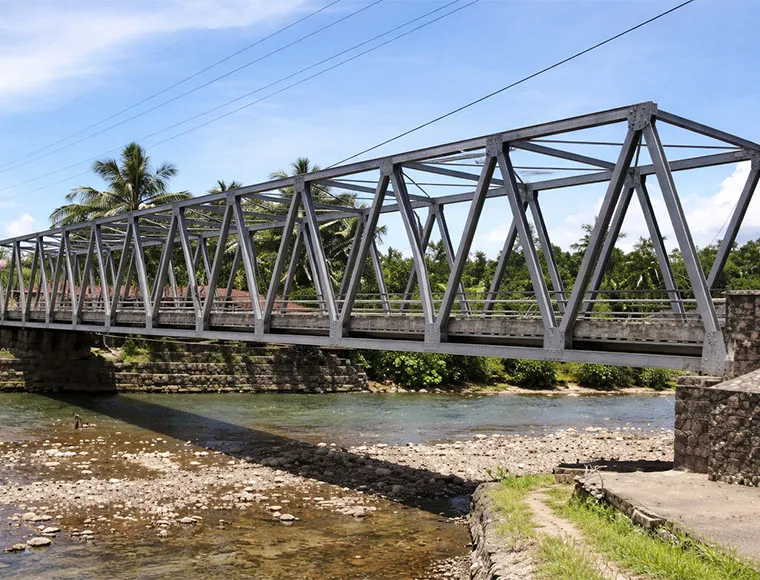
Un ponte pedonale prefabbricato con travatura reticolare in acciaio è una struttura assemblata in fabbrica mediante bullonatura, dimensionata in base all’attraversamento da realizzare anziché venduta secondo una tabella di dimensioni fisse. La larghezza dell’impalcato, la campata e la lunghezza dei segmenti per la spedizione vengono progettate per ogni progetto; ciò che è standardizzato tra gli ordini è l’approccio strutturale, la quantità minima d’ordine e la certificazione.
Perché non esiste una scheda tecnica universale per questo prodotto
I documenti dei progetti comunali e gli articoli accademici sui materiali delle passerelle pubblicano ciascuno dati relativi a un singolo ponte: una passerella pedonale identificata, con la propria campata, la propria larghezza dell'impalcato e il proprio piano di spedizione. Nessuno di questi riunisce tali dati in una tabella di selezione utilizzabile dall'acquirente prima di definire il progetto, e lo stesso vale per la scheda tecnica di un singolo fornitore, perché i ponti pedonali a travata reticolare non vengono prodotti secondo dimensioni da catalogo come una trave a I standard. La campata, la larghezza e la capacità di carico vengono progettate in funzione dell'attraversamento specifico, delle condizioni delle fondazioni e della giurisdizione normativa applicabile.
Si tratta di una situazione diversa rispetto ai prodotti per l'edilizia di KXD, per i quali l'azienda pubblica un intervallo di campate prestabilito (fino a 100 m) per gli edifici con struttura in acciaio standard. Per la Ponte prefabbricato in acciaio / linea Modular Steel Bridge (modello KXDF-01), le informazioni sul prodotto pubblicate riguardano la configurazione strutturale e i parametri dell'ordine, anziché una tabella numerica delle campate: una distinzione che conviene dichiarare chiaramente, invece di confondere le due linee di prodotto.

Cosa viene effettivamente pubblicato per questo prodotto
| Parametro |
Dettaglio pubblicato |
| Configurazioni strutturali offerte |
Traliccio in acciaio, trave a lamiera saldata, trave scatolare saldata |
| Metodo di costruzione |
Modulare / prefabbricato, assemblaggio in cantiere mediante bullonatura |
| Applicazioni |
Autostradale, ferroviario, pedonale, industriale, minerario, accesso temporaneo, sovrappasso urbano |
| Quantità minima d'ordine |
600 m² |
| Capacità di fornitura mensile (linea di prodotti) |
8.000 tonnellate |
| Certificazione indicata sulla pagina del prodotto |
ISO |
| Fascia di prezzo |
40–100 USD/m², a seconda delle specifiche |
| Dati specifici sulla luce libera |
Non pubblicati — progettati su misura per ogni progetto |
| Standard di larghezza dell'impalcato |
Non pubblicati — progettati su misura per ogni progetto |
| Limiti di lunghezza dei segmenti di spedizione |
Non pubblicati — dipendono dal percorso e dal metodo di trasporto |
Tre righe di quella tabella indicano “non pubblicato” invece di un numero, e ciò è intenzionale. Compilarle con cifre plausibili travisarebbe ciò che KXD ha effettivamente dichiarato per questa specifica linea di prodotti, anche se tali cifre esistono in modo informale per gli edifici e vengono richieste per i ponti durante la fase di preventivo.
In che modo la configurazione del traliccio influisce sulle decisioni relative alla campata
Anche senza una tabella delle campate fissa, la logica strutturale che governa i tralicci pedonali ponti è coerente in tutto il settore ed è utile illustrarla:
- Gli elementi triangolati sopportano il carico in modo più efficiente di un'anima piena su luci più lunghe, motivo per cui la configurazione a traliccio è tipicamente la scelta predefinita quando una passerella pedonale deve superare una strada, una linea ferroviaria o un corso d'acqua, piuttosto che un breve vano.
- La larghezza dell'impalcato è determinata dal volume previsto di pedoni e ciclisti, non dalla luce del traliccio in sé: un attraversamento su percorso condiviso ampio richiede più larghezza d'impalcato di una passerella pedonale a fila singola, indipendentemente dalla distanza che deve coprire.
- La lunghezza dei segmenti di trasporto è stabilita dalle restrizioni del percorso, non da una dimensione di fabbricazione ideale. Un ponte a traliccio che potrebbe essere spedito come due moduli lunghi potrebbe dover essere suddiviso in tre o quattro segmenti più corti se il percorso di consegna presenta curve strette, ponti bassi o strade con limiti di peso.
- La progettazione delle fondazioni e delle spalle cambia in base alla luce e alle condizioni del terreno del sito, motivo per cui una tabella fissa che collega luce e prezzo non regge da un progetto all'altro.
È anche qui che si verifica l'errore di interpretazione più comune: considerare “prefabbricato” come sinonimo di “dimensioni standardizzate”. La prefabbricazione descrive il modo in cui il ponte viene costruito (fabbricato in officina, spedito in moduli, imbullonato in loco), non il fatto che ogni ordine condivida una luce o una larghezza da catalogo.
Applicazioni in cui viene specificata questa configurazione
Attraversamenti pedonali su strade o ferrovie — il principale caso d'uso della configurazione a traliccio nei progetti di passerelle pedonali, scelta per l'efficienza di campata rispetto a una travata a piastra.
- Percorsi multiuso (pedonali e ciclabili) — la larghezza dell'impalcato diventa il parametro decisivo più della campata.
- Accessi pedonali temporanei o rilocabili — l'assemblaggio imbullonato consente di smontare e spostare la struttura se l'attraversamento è di breve durata.
- Sovrappassi urbani combinati veicolari/pedonali — talvolta abbinati a sezioni a cassone quando il carico torsionale dovuto al traffico misto è un fattore rilevante.
FAQ
D: Quale luce può coprire un ponte pedonale prefabbricato con traliccio in acciaio?
R: KXD non pubblica una tabella di luci fisse per questo prodotto; la luce viene progettata per ogni singolo attraversamento in base alle condizioni del sito e ai requisiti di carico, e viene confermata durante il processo di preventivazione.
D: Qual è la quantità minima d’ordine?
R: 600 m², lo stesso MOQ pubblicato per tutta la gamma la linea di prodotti per ponti di KXD.
D: Una luce maggiore costa proporzionalmente di più al metro quadro?
R: Il prezzo si colloca nella fascia di 40–100 USD/m² a seconda delle specifiche, ma la campata da sola non è l'unico fattore determinante — la larghezza dell'impalcato, la classe di carico e le condizioni del sito/fondazione contribuiscono tutte a determinare dove si posiziona un progetto all'interno di quella fascia.
D: Il ponte può essere spedito in un unico pezzo?
R: Di solito no. Le sezioni modulari sono dimensionate in base alle limitazioni del percorso (curve, spazio di manovra, limiti di peso) tanto quanto alla praticità di fabbricazione, quindi il numero di segmenti dipende tipicamente dal percorso di consegna, non da uno standard di spedizione fisso.
Gli acquirenti che confrontano diverse opzioni di ponti pedonali a traliccio dovrebbero considerare le cifre di campata e larghezza pubblicate da altri progetti come punti di riferimento, non come un catalogo — i numeri che contano sono quelli che risultano da un'effettiva valutazione del sito e dei carichi.



 3 settembre 2026