Техническая и проектная команда KXD Steel | Группа проектирования стальных конструкций | Опубликовано 3 сентября 2026 года
Сборный стальной ферменный пешеходный мост представляет собой изготовленную на заводе конструкцию, собираемую болтовыми соединениями и рассчитываемую под конкретный переход, а не продаваемую по фиксированной таблице размеров. Ширина настила, пролёт и длина транспортировочных секций проектируются для каждого объекта; стандартизированы для всех заказов только конструктивный подход, минимальный объём заказа и сертификация.
Почему для этого продукта не существует универсального листа характеристик
В документах муниципальных проектов и научных статьях о материалах настила приводятся числовые показатели для конкретного моста — названного пешеходного моста со своим пролётом, собственной шириной настила и собственным планом транспортировки. Ни в одном из этих источников показатели не сведены в таблицу выбора, которой покупатель мог бы воспользоваться до определения параметров проекта; нет такой таблицы и в спецификации одного поставщика, поскольку ферменные пешеходные мосты не изготавливаются по каталожному размеру, как стандартная двутавровая балка. Пролёт, ширина и расчётная нагрузка проектируются с учётом конкретного перехода, условий фундамента и требований строительных норм соответствующей юрисдикции.
Это отличается от строительной продукции KXD, для которой компания публикует фиксированный диапазон пролётов (до 100 м) для стандартных зданий со стальным каркасом. Для Сборный стальной мост / модульных стальных мостов (модель KXDF-01) опубликованная информация о продукте охватывает конструктивную конфигурацию и параметры заказа, а не числовую таблицу пролётов — это различие стоит чётко обозначить, а не смешивать две линейки продукции.
Что на самом деле опубликовано об этом продукте
| Параметр |
Опубликованные характеристики |
| Доступные конструктивные конфигурации |
Стальная ферма, балка со сплошной стенкой, сварная коробчатая балка |
| Метод строительства |
Модульная / сборная конструкция, монтаж на месте с помощью болтовых соединений |
| Области применения |
Автомобильные и железные дороги, пешеходные переходы, промышленные объекты, горнодобывающая отрасль, временные подъездные пути, городские путепроводы |
| Минимальный объём заказа |
600 м² |
| Месячная производственная мощность (линейка продукции) |
8 000 тонн |
| Сертификация указана на странице продукта |
ISO |
| Диапазон цен |
40–100 долларов США/м², в зависимости от спецификации |
| Конкретные значения пролёта без промежуточных опор |
Не публикуется — рассчитывается индивидуально для каждого проекта |
| Стандартные значения ширины настила |
Не публикуется — рассчитывается индивидуально для каждого проекта |
| Ограничения по длине секций при транспортировке |
Не публикуется — зависит от маршрута и способа транспортировки |
В трёх строках этой таблицы вместо числовых значений указано “не публикуется”, и это сделано намеренно. Заполнение этих строк правдоподобно звучащими цифрами исказило бы сведения о том, что KXD фактически раскрыло для этой конкретной линейки продукции, хотя такие значения неофициально существуют для зданий, а при расчёте стоимости мостов их запрашивают.
Как конфигурация фермы влияет на решения о пролёте
Даже без фиксированной таблицы пролётов структурная логика, которая определяет пешеходные ферменные мосты является последовательной во всей отрасли и заслуживает изложения:
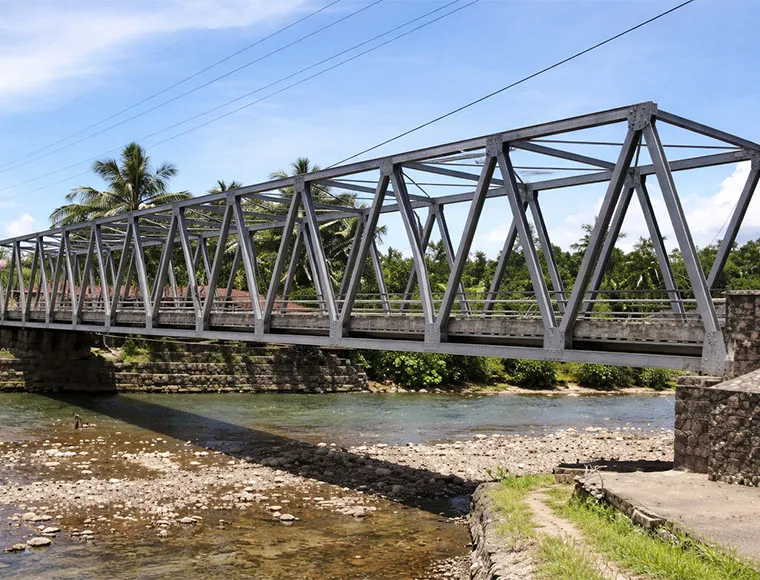
- Треугольные элементы несут нагрузку более эффективно, чем сплошная стенка на больших пролётах, поэтому ферменная конфигурация обычно является стандартным решением, когда пешеходному мосту необходимо перекрыть дорогу, железнодорожную линию или водный путь, а не короткий промежуток.
- Ширина настила определяется ожидаемым потоком пешеходов и велосипедистов, а не длиной пролёта самой ферменной конструкции — широкий переход для многофункциональной тропы требует большей ширины настила, чем узкий пешеходный мостик для одностороннего движения, независимо от длины пролёта.
- Длина транспортных секций определяется ограничениями маршрута доставки, а не оптимальным размером изготовления. Ферменный мост, который мог бы отправляться в виде двух длинных модулей, может потребовать разбивки на три или четыре более коротких секции, если маршрут доставки включает крутые повороты, низкие мосты или дороги с ограничением по весу.
- Конструкция фундамента и опор меняется в зависимости от пролёта и грунтовых условий участка, и это одна из причин, почему фиксированная таблица «пролёт — цена» не работает одинаково для каждого проекта.
Именно здесь чаще всего возникает ошибочное толкование: слово “сборный” приравнивают к “стандартным размерам”. Сборность описывает способ изготовления моста (изготовление в цеху, доставка модулями, монтаж на болтах на месте) — а не то, что каждый заказ соответствует каталожному пролёту или ширине.
Области применения, где выбирают эту конфигурацию
Пешеходные переходы через дороги или железнодорожные пути — основной случай применения ферменной конфигурации в проектах пешеходных мостов, выбираемой для эффективности перекрытия пролёта по сравнению с балкой на плоских поясах.
- Многофункциональные дорожки (пешеходы плюс велосипедисты) — ширина настила становится определяющим параметром в большей степени, чем длина пролёта.
- Временный или перемещаемый пешеходный доступ — болтовая сборка означает, что конструкция может быть демонтирована и перемещена, если переход краткосрочный.
- Комбинированные городские эстакады для транспорта и пешеходов — иногда сочетаются с секциями коробчатых балок, где крутильная нагрузка от смешанного трафика является фактором.
Часто задаваемые вопросы
Вопрос: Какой пролёт может перекрыть сборный стальной ферменный пешеходный мост?
О: KXD не публикует фиксированную таблицу пролётов для этого изделия; пролёт проектируется индивидуально для каждого перехода с учётом условий площадки и требований к нагрузке и подтверждается в процессе формирования коммерческого предложения.
В: Каков минимальный объём заказа?
О: 600 м² — тот же минимальный объём заказа, опубликованный для всех линейки мостовой продукции KXD.
В: Стоит ли больший пролёт пропорционально дороже за квадратный метр?
О: Цена находится в диапазоне 40–100 USD/м² в зависимости от спецификации, но пролёт сам по себе не единственный определяющий фактор — ширина настила, класс нагрузки и условия площадки/фундамента — всё это влияет на то, в какой части диапазона окажется проект.
В: Можно ли доставить мост в собранном виде, целиком?
О: Как правило, нет. Размеры модульных секций определяются скорее ограничениями маршрута перевозки (поворотами, габаритами проезда, допустимой нагрузкой), чем удобством изготовления, поэтому количество секций обычно зависит от маршрута доставки, а не от какого-то фиксированного стандарта отгрузки.
Покупателям, сравнивающим варианты пешеходных ферменных мостов, следует относиться к опубликованным показателям пролёта и ширины из других проектов как к справочным ориентирам, а не как к готовому перечню на выбор — значение имеют только те цифры, которые получены по результатам реального обследования участка и расчёта нагрузок.


 3 сентября 2026 года