KXD Steel — техническая и проектная команда | Инженерная группа по стальным конструкциям | Опубликовано 2 сентября 2026 года
A модульный стальной мост представляет собой сборную конструкцию, поставляемую болтовыми секциями, а не заливаемую или свариваемую на месте. Подходящая конфигурация — ферма, балка со сплошной стенкой или сварная коробчатая балка — зависит не столько от одной лишь длины пролёта, сколько от того, какую нагрузку будет испытывать сооружение, как к нему будут получать доступ и как его будут собирать.
Три типа конструкций — три разные задачи
Не все стальные фермы выглядят одинаково, если отвлечься от маркетинговых фотографий, и три конфигурации, которые производит KXD, решают разные задачи.
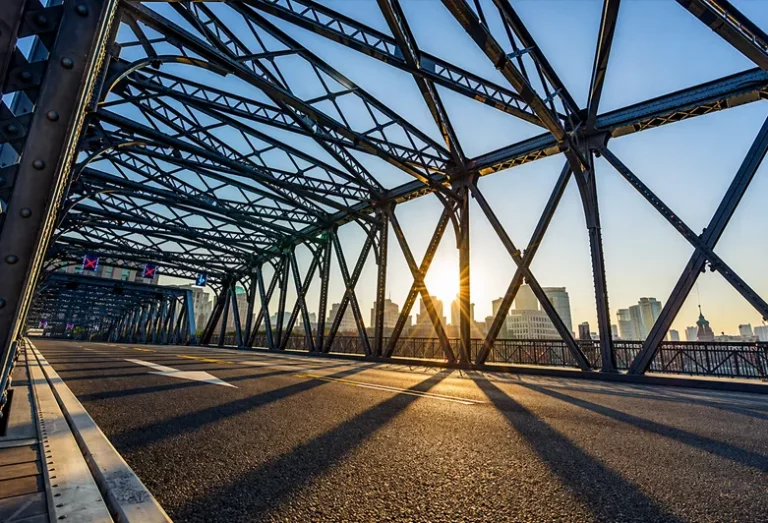
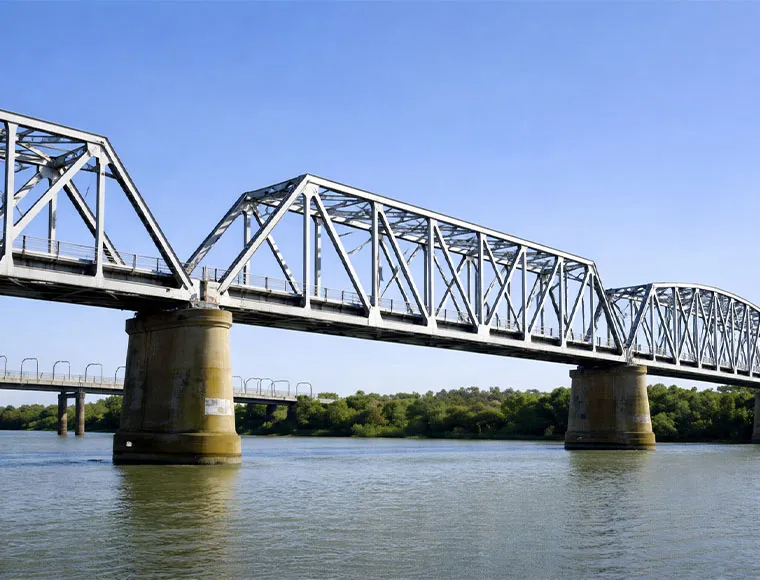
В стальных ферменных мостах для восприятия нагрузки используются треугольные элементы, что позволяет снизить расход стали относительно длины пролёта. Они подходят для автомобильных и железнодорожных переездов, где невозможно обойтись без длинного пролёта без промежуточных опор, а открытая решётчатая конструкция упрощает последующий осмотр.
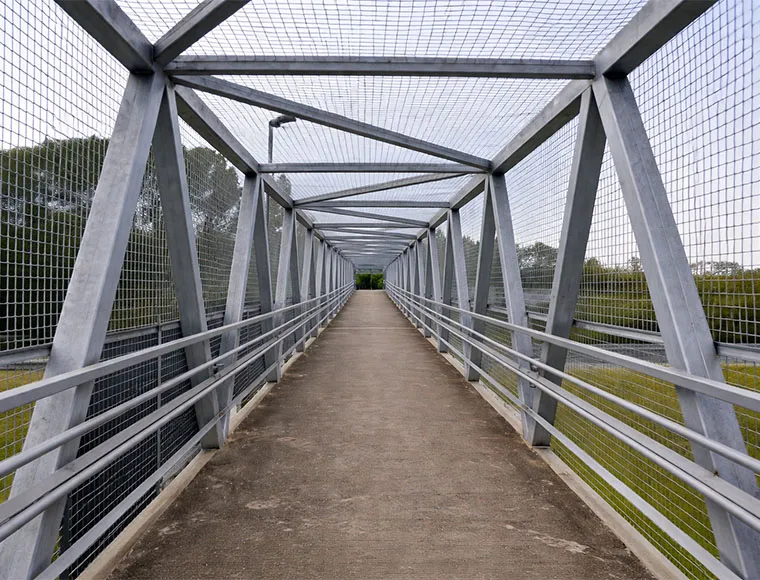
Балочные мосты с листовыми стенками используют цельные сварные листы вместо решётчатой стенки. Их изготовление обходится дешевле при коротких и средних пролётах, а плоская нижняя поверхность пролётного строения удобнее, когда габарит под мостом ограничен — например, для пешеходного перехода над дорогой.
Сварные мосты с коробчатой балкой замыкают сечение в короб, устойчивый к кручению. Такая жёсткость при кручении особенно важна там, где мост испытывает неравномерную или внецентренную нагрузку — на карьерных транспортных маршрутах, криволинейных городских эстакадах или переходах с асимметричным пролётным строением, по которым движутся как транспорт, так и пешеходы.
Ни одна из трёх конфигураций не является универсально “лучшей”. Балочная конструкция с листовой стенкой, выбранная для карьерной дороги, где работают вилочные погрузчики с боковой нагрузкой, будет закручиваться сильнее, чем коробчатая балка; коробчатая балка для короткого пешеходного моста обычно означает оплату жёсткости, которая никому не нужна.
Где применяется каждая конфигурация
Опубликованные KXD области применения этой линейки продукции охватывают автомобильные и железнодорожные, пешеходные, промышленные, горнодобывающие проекты, проекты временных подъездных путей и городских эстакад. На практике выбор типа конструкции в зависимости от области применения выглядит так:
1. Автомобильные и железнодорожные переезды — ферменная конструкция для больших свободных пролётов с предсказуемой нагрузкой, приложенной по центру.
2. Пешеходные и лёгкие городские путепроводы — балочная конструкция с листовой стенкой, обеспечивающая более низкую стоимость изготовления и небольшую строительную высоту настила.
3. Горные и промышленные транспортные маршруты — коробчатая балка, рассчитанная на крутящие нагрузки от тяжёлой техники, которые здесь являются обычным, а не эпизодическим явлением.
4. Временные подъездные мосты — ферменная конструкция или балочная конструкция с листовой стенкой, выбираемая главным образом с учётом скорости болтового соединения модулей и простоты их перемещения на новое место.
Временные подъездные проекты заслуживают отдельного замечания: решающим фактором здесь редко является несущая способность. Важно то, сколько болтовых соединений бригаде необходимо выполнить до открытия настила для движения, а это скорее вопрос планирования сроков, чем инженерный вопрос.
Сравнение типов с первого взгляда
| Фактор |
Ферменный мост |
Мост с пластинчатой балкой |
Сварная коробчатая балка |
| Типичное применение |
Автомобильные и железные дороги, большие пролёты |
Пешеходные переходы, малые и средние пролёты |
Горнодобывающая промышленность, промышленные объекты, криволинейные/асимметричные нагрузки |
| Путь передачи нагрузки |
Треугольные элементы |
Сплошная сварная стенка |
Закрытый торсионностойкий короб |
| Жесткость при кручении |
Умеренная |
Ниже |
Наивысшая |
| Сложность изготовления |
Выше (больше сварных швов/соединений) |
Ниже |
Выше (сварка замкнутого сечения) |
| Габарит под настилом |
Требуется большая глубина |
Неглубокий софит |
Умеренная |
| Оптимален для временных/перемещаемых проектов |
Да |
Да |
Менее распространен |
По сравнению с пресс-релизами производителей и языком патентных заявок, которые доминируют в большинстве результатов поиска по этой теме, данная таблица призвана ответить на один более узкий вопрос: какая конфигурация подходит для данных условий нагрузки и доступа, а не какой бренд построил самый высокий мост в прошлом году.
Модульное строительство: что на самом деле меняет “болтовая сборка” на площадке
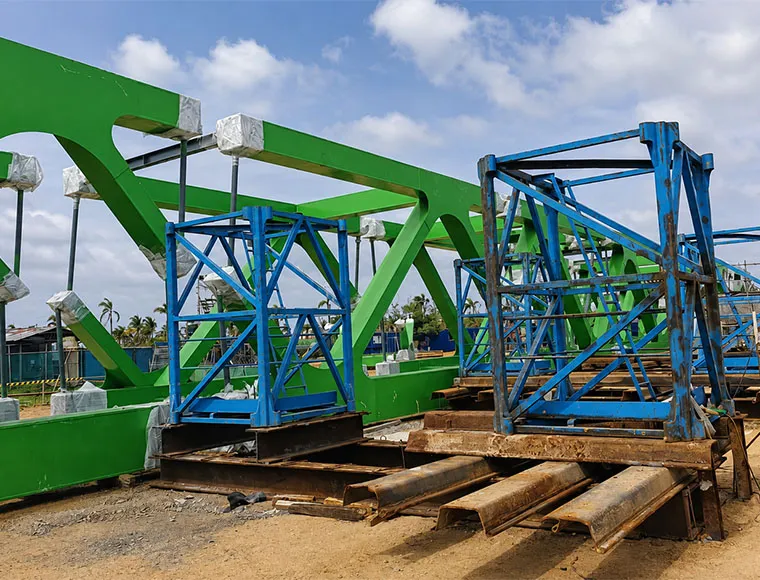
Параметр, который больше всего влияет на график строительства, — это не пролёт или марка стали, а то, сваривается ли мост на месте или собирается из болтовых модулей. Сборный стальной мост KXD (Модульный стальной мост, модель KXDF-01) изготавливается и предварительно собирается в цехе, затем отгружается секциями, которые соединяются болтами на площадке.
Это переносит работы критического пути с площадки на завод:
- Секции режутся, свариваются и предварительно сверлятся для стыковки в цехе, где допуски контролируются, а доработка обходится дешево.
- Модули доставляются на площадку как дискретные, подъёмные единицы, а не как необработанный листовой и балочный прокат.
- Бригады соединяют узлы болтами последовательно, а не выполняют полевую сварку, что сокращает количество операций, зависящих от погоды.
- Контроль сосредоточен на крутящем моменте болтов и выравнивании, а не на проверке качества сварных швов, требующей присутствия на площадке аттестованных инспекторов по сварке.
Компромисс заключается в том, что болтовые соединения требуют более жестких допусков при изготовлении: ошибка в цехе, которую на месте можно было бы быстро исправить сваркой, превращается в поставленную деталь, которая не совпадает по размерам. Это реальное ограничение, которое стоит учитывать при планировании, а не примечание мелким шрифтом.
Где этот продукт находится по диапазону пролетов и объему заказа
Опубликованные параметры KXD для этой линейки уже, чем для строительной продукции компании, и это стоит прямо указать, не приукрашивая формулировки:
- Доступные конфигурации: стальная ферма, балка со сплошной стенкой, сварная коробчатая балка — все варианты доступны в модульном/сборном исполнении.
- Минимальный объем заказа: 600 м².
- Заявленная производственная мощность для этой категории продукции: 8 000 тонн в месяц.
- Сертификация, указанная на странице продукта: ISO.
- Диапазон цен: 40–100 долларов США/м² в зависимости от спецификации.
Для этой конкретной линейки не опубликованы два показателя, и их не следует предполагать, заимствуя цифры из каталога зданий KXD: явно указанная величина пролёта и заявленный срок службы. Покупателям, сравнивающим эту продукцию со стальными конструкциями строительного назначения, следует запрашивать значения пролёта и срока службы для конкретного проекта, а не предполагать, что расчётный срок службы зданий в 50 лет распространяется и на неё: нагрузки на мосты и циклы усталости — это другая инженерная задача.
Распространённое заблуждение: “модульный” не означает “универсальный”
Наиболее частая ошибка при запросах на мосты связана не с маркой стали — а с предположением, что модульная система означает использование одного стандартного модуля во всех проектах. На практике пролёт, ширина настила, класс нагрузки и детали соединений проектируются индивидуально для каждого проекта, даже если метод изготовления и доставки (болтовые модули) остаётся неизменным. Заказ “модульного моста” без указания класса нагрузки и области применения — самый быстрый способ получить конструкцию, которую придётся перепроектировать после составления сметы.
Сертификация и что она фактически охватывает
Система странице продукта «мост» указывает сертификацию ISO. Для понимания того, что это обозначение означает на практике: ISO определяет свой стандарт системы менеджмента качества как ISO 9001, стандарт экологического менеджмента как ISO 14001 и стандарт охраны труда и техники безопасности как ISO 45001 — эти три системы чаще всего имеют в виду производители, когда ссылаются на “ISO” в общем смысле. Покупателям, закупающим для юрисдикций, требующих специальной сертификации для строительных стальных конструкций (например, EN 1090 в Европе), следует уточнить, какой именно стандарт применяется к заказу моста, поскольку сертификация системы менеджмента ISO и сертификация конструкций на уровне продукта — это не одно и то же.
Часто задаваемые вопросы
В: В чём разница между мостом на балках из листовой стали и коробчатых балках?
О: Балка из листовой стали имеет открытую стенку из сварных листов; коробчатая балка образует закрытое сечение в виде трубы, устойчивой к кручению. Коробчатые балки лучше справляются с неравномерной или внецентренной нагрузкой, что важно для криволинейных трасс или настилов смешанного типа для транспорта и пешеходов.
В: Можно ли перенести модульный стальной мост после установки?
О: Болтовая конструкция делает разборку и перемещение более практичными по сравнению с конструкциями, сваренными на месте, поэтому фермы и балки с плоскими стенками являются распространённым выбором для проектов временного доступа. Коробчатые балки используются для этой цели реже из-за сложности изготовления.
В: Какая информация нужна KXD для расчёта стоимости модульного стального моста?
О: Тип применения (автодорожный, пешеходный, горнодобывающий, временный доступ и т. д.), требуемый пролёт и ширина настила, ожидаемый класс нагрузки и условия доступа на площадку для доставки и подъёма. Цена находится в диапазоне 40–100 долларов США за м² в зависимости от того, как определяются эти характеристики.
В: Указан ли расчётный срок службы для этого мостового продукта?
О: Не на текущей странице продукта. Покупателям следует запросить конкретную цифру срока службы для проекта, а не предполагать, что она соответствует расчетному сроку службы строительной линии KXD, поскольку усталостная нагрузка на мост отличается от статических строительных нагрузок.
Выбор моста в конечном счете сводится к соответствию типа конструкции тому, как нагружается переход и как быстро он должен открываться — стоит проработать это с фактическими данными по пролету и нагрузкам, прежде чем конфигурация будет зафиксирована.


 2 сентября 2026 года