Team tecnico e di progetto KXD Steel | Gruppo di ingegneria delle strutture in acciaio | Pubblicato il 2 settembre 2026
A ponte modulare in acciaio è una struttura prefabbricata spedita in sezioni da assemblare con bulloni, anziché essere gettata o saldata in cantiere. La configurazione più adatta — traliccio, trave a piastra o trave scatolare saldata — dipende meno dalla sola campata che dal modo in cui l'attraversamento sarà sottoposto ai carichi, sarà accessibile e verrà assemblato.
Tre tipi di strutture, tre impieghi diversi
Non tutti i tralicci in acciaio hanno lo stesso aspetto una volta superate le foto di marketing, e le tre configurazioni che KXD fabbrica risolvono problemi diversi.
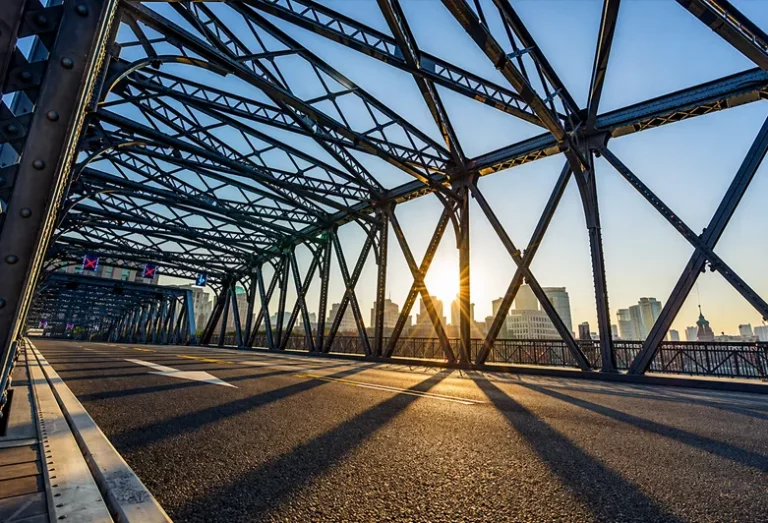
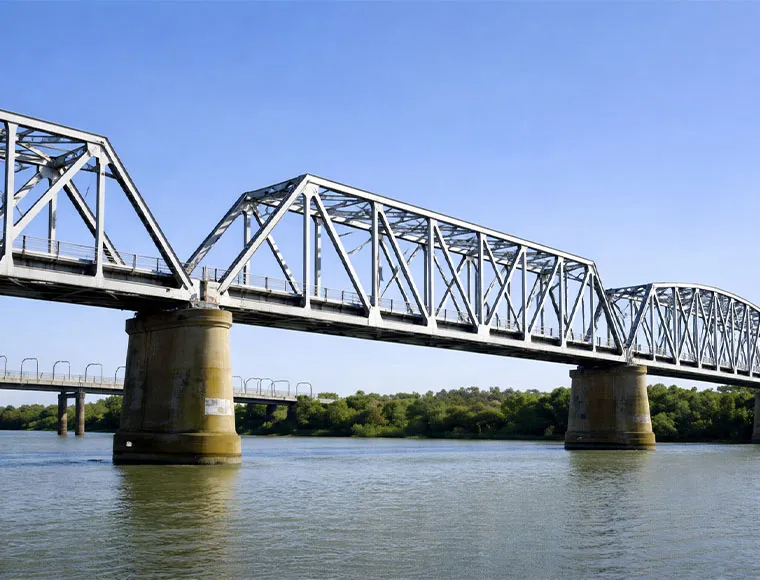
I ponti a traliccio in acciaio utilizzano elementi triangolati per sostenere il carico, riducendo così il peso dell'acciaio rispetto alla luce. Sono adatti agli attraversamenti stradali e ferroviari in cui è inevitabile una lunga campata senza appoggi intermedi e in cui la struttura a maglia aperta semplifica anche le ispezioni successive.
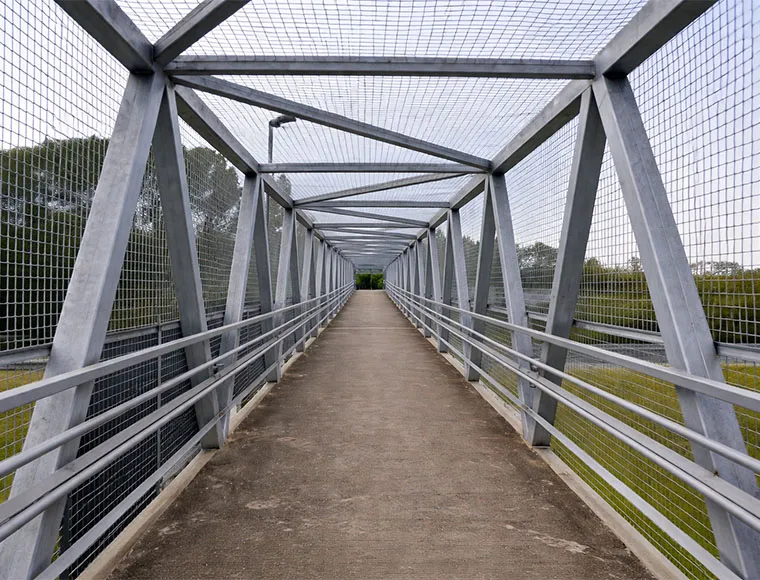
I ponti a travata a piastra si basano su piastre saldate piene anziché su una struttura reticolare triangolata. Costano meno da realizzare per campate brevi e intermedie, e il loro intradosso piano facilita gli interventi quando lo spazio libero sotto l'impalcato è limitato, come nel caso, ad esempio, di un sovrappasso pedonale sopra una strada.
I ponti a travata scatolare saldata racchiudono la sezione in una scatola resistente alla torsione. Questa rigidezza torsionale è particolarmente importante nei casi in cui il ponte sarà soggetto a carichi non uniformi o decentrati: percorsi per il trasporto minerario, sovrappassi urbani curvi o attraversamenti destinati sia al traffico veicolare sia a quello pedonale su un impalcato asimmetrico.
Nessuna delle tre soluzioni è universalmente “migliore”. Una travata a piastra progettata per una strada di trasporto minerario con carrelli elevatori che applicano carichi laterali si torcerà più di quanto farebbe una travata scatolare; una travata scatolare progettata per una breve passerella pedonale comporta generalmente un costo per una rigidezza di cui nessuno ha bisogno.
Dove viene utilizzata ciascuna configurazione
Le applicazioni pubblicate da KXD per questa linea di prodotti riguardano progetti autostradali, ferroviari, pedonali, industriali, minerari, di accesso temporaneo e di sovrappassi urbani. Nella pratica, il tipo di struttura viene abbinato al caso d’uso come segue:
1.Attraversamenti autostradali e ferroviari — configurazione a traliccio per campate libere lunghe con carichi prevedibili e centrati.
2.Sovrappassi pedonali e urbani leggeri — trave a piastra, privilegiando costi di fabbricazione inferiori e una ridotta profondità dell’impalcato.
3.Itinerari di trasporto minerari e industriali — trave a cassone, dove i carichi torsionali dovuti ai mezzi pesanti sono abituali anziché occasionali.
4.Ponti di accesso temporanei — trave a traliccio o a piastra, scelti principalmente in base alla rapidità con cui i moduli possono essere imbullonati e alla facilità con cui possono essere trasferiti.
I progetti di accesso temporaneo meritano una nota a parte: in questo caso, il fattore decisivo raramente è la capacità portante. Conta piuttosto il numero di collegamenti bullonati che una squadra deve realizzare prima che l’impalcato possa essere aperto al traffico, una questione più di programmazione che di ingegneria.
Confronto tra le tipologie a colpo d’occhio
| Fattore |
Ponte reticolare |
Ponte a travata in lamiera |
Trave scatolare saldata |
| Uso tipico |
Autostrade, ferrovie, luci lunghe |
Pedonale, luci da corte a medie |
Estrattivo, industriale, carichi curvi/asimmetrici |
| Percorso dei carichi |
Elementi triangolati |
Anima piena saldata |
Cassone chiuso resistente alla torsione |
| Rigidezza torsionale |
Moderata |
Inferiore |
Massima |
| Complessità di fabbricazione |
Maggiore (più saldature/collegamenti) |
Inferiore |
Maggiore (saldatura di sezioni chiuse) |
| Altezza libera dell'impalcato |
Richiede maggiore profondità |
Sottotetto poco profondo |
Moderata |
| Soluzione ideale per progetti temporanei/rilocabili |
Sì |
Sì |
Meno comune |
A differenza dei comunicati stampa dei fornitori e del linguaggio da deposito brevetti che dominano la maggior parte dei risultati di ricerca su questo argomento, questa tabella intende rispondere a una domanda più specifica: quale configurazione si adatta a una determinata condizione di carico e accesso, non quale marchio abbia costruito il ponte più alto l'anno scorso.
Costruzione modulare: cosa cambia realmente sul cantiere il sistema “a bulloni”
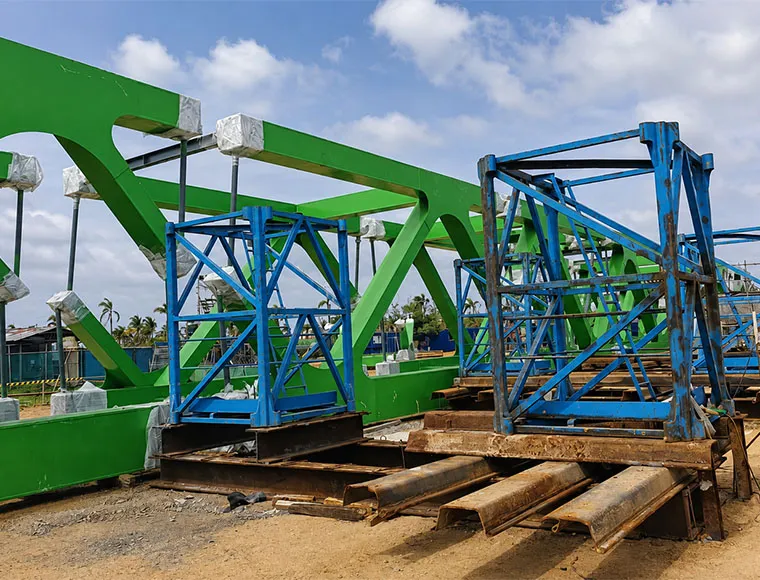
Il parametro che influisce più di ogni altro sui tempi di costruzione non è la luce o il grado dell'acciaio, ma il fatto che il ponte sia saldato in campo oppure modulare a bulloni. Il ponte in acciaio prefabbricato di KXD (Ponte modulare in acciaio, il modello KXDF-01) viene fabbricato e preassemblato in officina, quindi spedito in sezioni che vengono imbullonate insieme in cantiere.
Questo sposta le attività sul percorso critico dal cantiere alla fabbrica:
- In officina, le sezioni vengono tagliate, saldate e preforate in modo da combaciare, in un ambiente dove le tolleranze sono controllate e gli interventi di rifacimento possono essere individuati a costi contenuti.
- I moduli vengono spediti in cantiere come unità distinte e sollevabili, anziché come scorte di lamiere e travi grezze.
- Le squadre imbullonano i collegamenti in sequenza invece di eseguire saldature in cantiere, riducendo così il numero di operazioni dipendenti dalle condizioni meteorologiche.
- L'ispezione si concentra sulla coppia di serraggio dei bulloni e sull'allineamento, anziché sui controlli della qualità delle saldature, che richiedono la presenza in cantiere di ispettori di saldatura certificati.
Il compromesso è che i collegamenti imbullonati richiedono tolleranze di fabbricazione iniziali più rigorose: un errore di officina che sarebbe una rapida correzione tramite saldatura in cantiere diventa un componente spedito che non si allinea. È una limitazione concreta di cui vale la pena tenere conto nella pianificazione, non un dettaglio marginale.
Posizionamento di questo prodotto in base alla luce e alle dimensioni dell'ordine
I parametri pubblicati da KXD per questa linea sono più ristretti rispetto a quelli dei suoi prodotti per l'edilizia, ed è opportuno dichiararlo chiaramente anziché abbellire la descrizione con aggettivi:
- Configurazioni disponibili: traliccio in acciaio, trave a piattabanda, trave a cassone saldata, tutte disponibili in forma modulare/prefabbricata.
- Quantità minima d'ordine: 600 m².
- Capacità di fornitura pubblicata per questa categoria di prodotti: 8.000 tonnellate/mese.
- Certificazione indicata nella pagina del prodotto: ISO.
- Fascia di prezzo: 40–100 USD/m², a seconda delle specifiche.
Due aspetti non sono pubblicati per questa linea specifica e non dovrebbero essere desunti prendendo in prestito i valori dal catalogo di edifici di KXD: un valore esplicito della luce libera e una vita utile di progetto dichiarata. Gli acquirenti che confrontano questa soluzione con strutture in acciaio per edifici dovrebbero richiedere i valori della luce e della vita utile specifici del progetto, invece di presumere che la vita utile di progetto di 50 anni della linea per edifici sia applicabile anche in questo caso: i carichi sui ponti e i cicli di fatica costituiscono un problema ingegneristico diverso.
Un'interpretazione comune errata: “modulare” non significa “uguale per tutti”
L'errore più frequente nelle richieste sui ponti non riguarda il grado dell'acciaio, ma l'ipotesi che un sistema modulare implichi il riutilizzo di un unico modulo standard in ogni progetto. In pratica, la luce, la larghezza dell'impalcato, la classe di carico e i dettagli delle connessioni vengono progettati per ogni singolo progetto, anche quando il metodo di fabbricazione e spedizione (moduli imbullonati) rimane invariato. Ordinare “un ponte modulare” senza specificare la classe di carico e l'applicazione è il modo più rapido per ritrovarsi con un progetto che deve essere riprogettato dopo la quotazione.
La certificazione e ciò che copre realmente
La pagina del prodotto del ponte elenca la certificazione ISO. Per contestualizzare il significato pratico di questa denominazione: ISO definisce il proprio standard per la gestione della qualità come ISO 9001, quello per la gestione ambientale come ISO 14001 e quello per la salute e sicurezza sul lavoro come ISO 45001, i tre sistemi a cui fa riferimento la maggior parte dei produttori quando cita genericamente la “certificazione ISO”. Gli acquirenti che si approvvigionano per giurisdizioni che richiedono una certificazione specifica per l'acciaio strutturale (come la EN 1090 in Europa) dovrebbero verificare quale standard specifico si applica a un ordine di ponti, poiché la certificazione ISO dei sistemi di gestione e la certificazione strutturale a livello di prodotto non sono la stessa cosa.
FAQ
D: Qual è la differenza tra un ponte con travi a parete piena e un ponte con travi a cassone?
R: Una trave a piastra utilizza un'anima aperta di piastre saldate; una trave a cassone chiude la sezione in un tubo resistente alla torsione. Le travi a cassone gestiscono meglio i carichi irregolari o eccentrici, il che è importante per tracciati curvi o impalcati misti veicoli/pedoni.
D: Un ponte in acciaio modulare può essere ricollocato dopo l'installazione?
R: La costruzione bullonata rende lo smontaggio e la ricollocazione più pratici rispetto alle strutture saldate in opera, motivo per cui le configurazioni a traliccio e a trave a piastra sono scelte comuni per progetti di accesso temporaneo. Le travi a cassone sono utilizzate meno frequentemente per questo scopo a causa della complessità di fabbricazione.
D: Quali informazioni necessita KXD per quotare un ponte in acciaio modulare?
R: Tipo di applicazione (autostrada, pedonale, minerario, accesso temporaneo, ecc.), luce richiesta e larghezza dell'impalcato, classe di carico prevista e condizioni di accesso al sito per consegna e sollevamento. Il prezzo rientra nell'intervallo di 40–100 USD/m² a seconda di come vengono risolte tali specifiche.
D: È pubblicata una durata di progetto per questo prodotto ponte?
R: Non sulla pagina prodotto attuale. Gli acquirenti dovrebbero richiedere una cifra di vita utile specifica per il progetto piuttosto che presumere che corrisponda alla vita di progetto della linea edilizia di KXD, poiché il carico ciclico dei ponti differisce dai carichi statici degli edifici.
La selezione del ponte si riduce in definitiva all'abbinamento del tipo strutturale al modo in cui l'attraversamento viene caricato e alla rapidità con cui deve essere aperto — vale la pena esaminarla con dati reali di luce e carico prima che la configurazione venga fissata.



 02 settembre 2026