Team tecnico e di progetto KXD | Gruppo di ingegneria delle strutture in acciaio | Pubblicato il 4 settembre 2026
KXD pubblica una fascia di base di 40–100 USD/m² per la sua linea di ponti prefabbricati in acciaio. Tale intervallo copre la fabbricazione strutturale in condizioni standard; configurazione della campata, classe di carico, sistema dell'impalcato, protezione dalla corrosione e distanza di spedizione sono le cinque variabili che spingono un preventivo specifico verso uno dei due estremi.
Perché un solo numero non può rappresentare il preventivo di un ponte veicolare
Un documento di gara di un ente pubblico per un singolo progetto di passerella pedonale può pubblicare un'unica cifra finale in dollari, perché descrive un'opera completata con un'unica campata, un unico sito e un unico insieme di specifiche già definite. Un intervallo pubblicato per metro quadrato funziona diversamente: è il punto di partenza prima che vengano applicate queste cinque variabili, non la risposta finale. Considerare USD 40–100/m² come un numero fisso e moltiplicarlo per la superficie dell'impalcato è l'errore di calcolo dei prezzi più comune nelle richieste preliminari sui ponti.
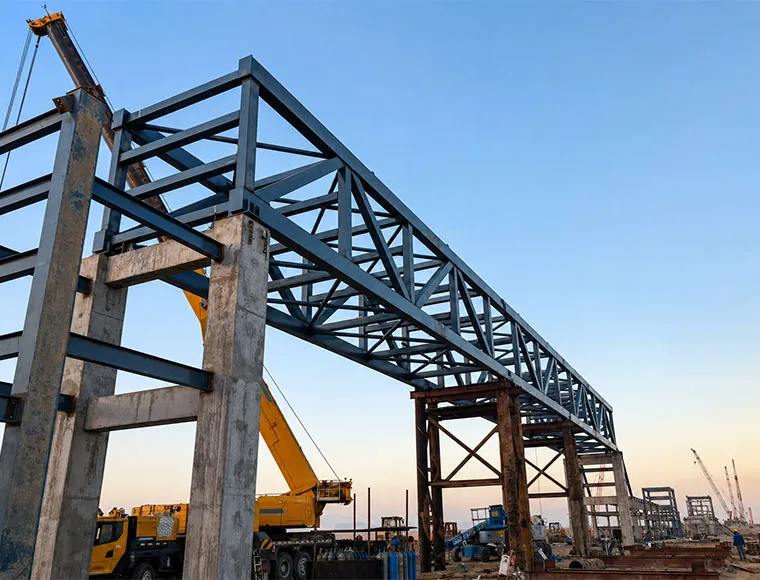
L'intervallo di base nel contesto
KXD pubblica lo stesso intervallo di USD 40–100/m² per tre delle sue linee di prodotto, un dato che vale la pena mostrare affiancato invece di considerare isolatamente il valore relativo al ponte:
| Linea di prodotti |
Fascia di prezzo pubblicata |
Quantità minima d'ordine (MOQ) |
| Edificio con struttura in acciaio |
40–100 USD/m² |
600 m² |
| Ponte prefabbricato in acciaio (KXDF-01) |
40–100 USD/m² |
600 m² |
| Casa del pollame con struttura in acciaio |
40–100 USD/m² |
600 m² |
La sovrapposizione comunica agli acquirenti un'informazione utile: si tratta di una fascia di base per la fabbricazione strutturale, non di un sovrapprezzo o di uno sconto specifico per i ponti. Ciò che distingue un preventivo per un ponte da un preventivo per un edificio, a parità di prezzo iniziale al metro quadrato, è tutto ciò che si aggiunge a questa base: ed è qui che entrano in gioco le cinque variabili seguenti.
Cinque voci che influenzano il preventivo di un ponte veicolare
| Fattore di costo |
Cosa modifica |
Pubblicato nella gamma base? |
| Configurazione della luce |
Traliccio vs. trave a lastra vs. trave a cassone — luci libere più lunghe e sezioni resistenti alla torsione costano più da fabbricare |
No — progettato su specifica del progetto |
| Classe di carico |
La portata del veicolo (accesso leggero vs. traffico pesante/minerario) determina le dimensioni delle sezioni in acciaio e i dettagli dei collegamenti |
No — richiede preventivo |
| Sistema dell'impalcato |
Il materiale, la larghezza e la finitura dell'impalcato incidono sul costo indipendentemente dall'acciaio strutturale principale |
No — richiede preventivo |
| Protezione dalla corrosione |
Il sistema di verniciatura rispetto alla zincatura a caldo modifica i costi dei materiali e dei processi, soprattutto per i siti costieri o caratterizzati da elevata umidità |
No — richiede preventivo |
| Spedizione e consegna |
La distanza, il numero di segmenti modulari e le condizioni di accesso al sito incidono sui costi logistici |
No — richiede preventivo |
Nessuna di queste cinque voci rientra da sola nell’intervallo base pubblicato. Non si tratta di una lacuna nelle informazioni divulgate da KXD: riflette il funzionamento della determinazione dei prezzi dei ponti modulari in tutto il settore, dove un valore per metro quadrato descrive la fabbricazione in condizioni generiche e tutto ciò che è specifico del progetto viene quantificato dopo una richiesta di informazioni sul sito.

Configurazione della campata: il principale fattore di variazione
Delle cinque variabili, la configurazione della campata è solitamente quella che allontana maggiormente il prezzo dall’intervallo base, perché determina innanzitutto quale tipo di struttura verrà specificato. Un ponte veicolare corto sopra un attraversamento di drenaggio potrebbe utilizzare una trave a piastra, con una minore complessità di fabbricazione e un numero inferiore di giunzioni saldate. Un attraversamento autostradale a lunga campata o una strada di servizio destinata al passaggio di mezzi minerari pesanti richiede più spesso una struttura reticolare o una trave a cassone saldata, entrambe più laboriose da fabbricare e, nel caso delle travi a cassone, più complesse da saldare in una sezione chiusa resistente alla torsione.
La protezione dalla corrosione è facile da sottovalutare
La protezione dalla corrosione merita una sezione a sé, perché gli acquirenti la considerano spesso una semplice finitura anziché una voce di costo strutturale. Un sistema di verniciatura e una finitura zincata a caldo non sono voci intercambiabili con lo stesso prezzo: la zincatura generalmente costa di più inizialmente, ma modifica il ciclo di manutenzione durante la vita utile della struttura, un aspetto particolarmente rilevante per i siti di ponti veicolari costieri, caratterizzati da elevata umidità o esposti ai sali antigelo, sulla pagina del prodotto del ponte, quindi è una questione che vale la pena sollevare direttamente durante la richiesta di preventivo, anziché presumere che una delle due opzioni sia inclusa nella tariffa base.
FAQ
D: L'intervallo di 40–100 USD/m² include la spedizione?
R: Non come inclusione fissa. Il costo della spedizione e della consegna dipende dalla distanza, dal numero di segmenti modulari e dall'accesso al sito, e viene calcolato separatamente durante la richiesta di preventivo.
D: Perché due ponti carrabili con la stessa superficie dell'impalcato possono avere prezzi diversi?
R: Perché la sola superficie dell'impalcato non tiene conto della configurazione della luce, della classe di carico, del sistema di impalcato o della protezione anticorrosione — lo stesso valore in metri quadrati può collocarsi a un estremo o all'altro dell'intervallo, o addirittura fuori da esso, a seconda di queste variabili.
D: Una classe di carico più pesante è sempre più costosa?
R: In genere sì, poiché classi di carico più elevate richiedono sezioni in acciaio più grandi e collegamenti più robusti, ma l'entità di tale aumento dipende dalla combinazione di luce e configurazione, non dalla sola classe di carico.
D: Qual è la quantità minima d'ordine per un preventivo di ponte veicolare?
R: 600 m², il MOQ pubblicato per la linea di prodotti per ponti di KXD.
D: KXD può fornire un prezzo totale fisso senza un sopralluogo/richiesta specifica sul sito?
R: Non per le cinque variabili sopra indicate: servono dettagli su luce di campata, classe di carico, impalcato, protezione anticorrosiva e consegna prima di poter fornire una cifra specifica per il progetto. La fascia di prezzo base è un riferimento di partenza, non un preventivo definitivo.
D: Perché alcuni documenti di progetti pubblici per ponti mostrano un costo totale unico mentre KXD pubblica una fascia di prezzo?
R: I documenti di gara pubblici descrivono in genere un singolo progetto completato, con tutte le variabili già definite. Una fascia pubblicata come quella di KXD deve invece rimanere tale proprio perché quelle variabili non sono ancora state stabilite per una determinata richiesta.
Una richiesta di preventivo che includa luce, classe di carico, preferenza per il sistema di impalcato, requisiti di protezione dalla corrosione e luogo di consegna procederà più rapidamente rispetto a una richiesta che parta unicamente dall'intervallo per metro quadrato.



 4 settembre 2026