A جسر فولاذي يقارن مثال التصميم بين تكوين هيكلي — جمالون، أو عارضة صفيحية، أو عارضة صندوقية مُلحَّمة — في ضوء محددات المشروع مثل طول الفتحة وطريقة التركيب وإمكانية الوصول إلى الموقع، قبل الشروع في الحسابات التفصيلية. تعكس هذه المقارنة المواصفات المنشورة حالياً للجسور الجاهزة من KXD Steel، وهي سارية حتى سبتمبر 2026.
ما يعنيه “مثال التصميم” قبل بدء الحساب
مثال التصميم، في سياق الجسور، ليس مجموعة حسابات موقّعة ومختومة. بل هو القرار السابق لذلك: أي فئة هيكلية تحمل الحمولة، وكيف يرتبط السطح بتلك الفئة، وكيف يُقسَّم الهيكل النهائي إلى وحدات قابلة للشحن. وإذا أُخطئ في هذا التسلسل، فإن مرحلة الحساب ترث ذلك الخطأ.
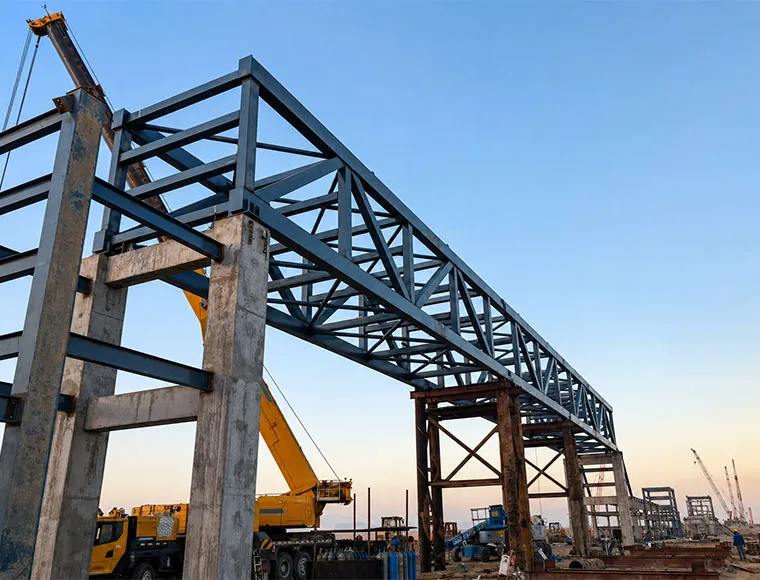
الجسر الفولاذي الجاهز من KXD / خط الجسور الفولاذية المعيارية (الطراز KXDF-01) مصمّم حول ثلاث عائلات هيكلية: الجسور الجملونية الفولاذية (steel truss)، وجسور العارضة الصفائحية (plate girder)، وجسور العارضة الصندوقية المُلحّمة (welded box girder)، وكل منها يُجمَّع من وحدات مُجهّزة مسبقًا بدلًا من بنائه بالكامل في الموقع.
فهم شائع خاطئ: التعامل مع المثال كتصميم نهائي
يقرأ أصحاب المشاريع أحيانًا مقارنة كهذه بوصفها بديلًا عن الاعتماد الهيكلي النهائي. والحقيقة أنها ليست كذلك. فسعة البحر (span capacity)، وعرض السطح، وتفاصيل التوصيلات لا تزال بحاجة إلى التحقق منها في ضوء الموقع الفعلي، والجهة التنظيمية المعتمدة (code jurisdiction)، وحالة التحميل، قبل إصدار مخططات التصنيع. لم تنشر KXD جدول سعات بحر خاصًا بكل طراز لهذا الخط، ولذلك فإن إرفاق رقم سعة بحر محدد بأحد التكوينات في هذا المقال سيكون افتراضًا وليس معلومة موثّقة. ولهذا السبب تحديدًا تم استثناء هذا الرقم، لا لأنه غير مهم.
لماذا يأتي قرار النوع الهيكلي أولًا
تميل نتائج البحث حول هذا الموضوع إلى المواد الأكاديمية والمواد الخاصة بجهات النقل (DOT) المرتبطة بأكواد محددة، وهي نوع المراجع التي يحتاجها مهندس يتحقق من تفصيل يتعلق بالكلل (fatigue)، وليس صاحب مشروع يقارن بين ثلاثة أنواع من الجسور قبل الاتصال بمورّد. وهذا الفارق هو ما يجعل هذا المقال يبقى على مستوى التكوين: أي ما يتغيّر في التصنيع والتوصيل والتسليم عندما ينتقل مشروع من سطح جملوني (truss deck) إلى عارضة صندوقية (box girder)، بدلًا من كيفية إجراء تركيبة تحميل (load combination).
تحمل كل عائلة الحمل بشكل مختلف، وهذا الاختلاف يحدد ما يحدث في الورشة وفي الموقع:
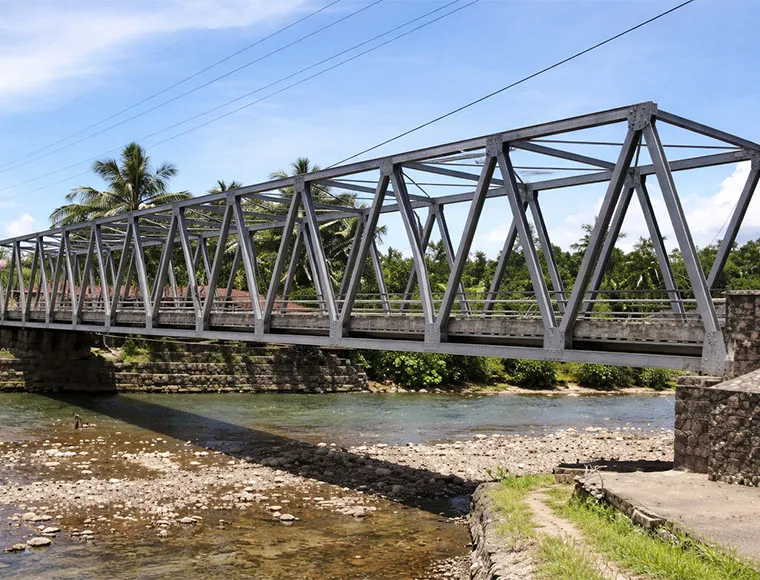
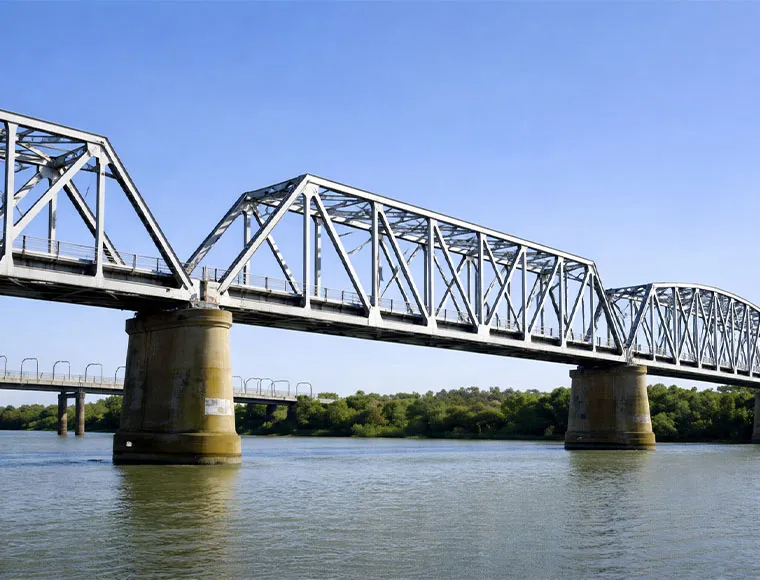
- جسر جملون فولاذي. شبكة مفتوحة من أعضاء مثلثة تحمل الحمل بشكل رئيسي من خلال الشد والضغط المحوري في الأحزمة والقطريات بدلاً من الانحناء في جدار صلب. بالنسبة لوزن فولاذي معين، يمكن للجملون عادةً الوصول إلى امتداد حر أطول، ولكن الهندسة تعني المزيد من الوصلات المنفصلة المُصنّعة في الورشة والتي يتم تركيبها في الموقع.
- جسر عارضة لوحية. لوح جدار صلب مع حواف علوية وسفلية يحمل الحمل بشكل رئيسي من خلال الانحناء. عدد أقل من الأجزاء المنفصلة يعني بشكل عام تسلسل تركيب أسرع للامتدادات المتوسطة، على حساب مقطع أثقل من الجملون المعادل الذي يغطي نفس المسافة.
- جسر عارضة صندوقية ملحومة. مقطع عرضي مغلق، عادةً مستطيل أو شبه منحرف، مُشكّل من ألواح ملحومة. يقاوم المقطع المغلق الالتواء بشكل جيد، ولهذا يميل إلى الظهور في المحاذاة المنحنية أو التقاطعات التي تحمل حمل مروري غير مركزي. البناء الملحوم، بدلاً من البرشمة، هو طريقة التوصيل التي يؤكدها تسمية منتج KXD الخاص لهذا التكوين.
ثلاثة تكوينات هيكلية جنبًا إلى جنب
| التكوين |
مسار الحمل الرئيسي |
الربط الميداني |
أين يميل إلى التوافق |
ما يحتاج إلى تأكيد المشروع |
| جسر جمالوني فولاذي |
قوى محورية عبر الأحزمة والأقطار المثلثة |
وصلات ميدانية مبرشمة عند نقاط اللوحة (ممارسة صناعية عامة) |
فتحات واضحة أطول لوزن فولاذي معين |
نطاق الامتداد الدقيق والمسافات بين الألواح لخط KXDF-01 |
| جسر العارضة الصفيحية |
الانحناء عبر صفيحة شبكية صلبة مع شفاه علوية وسفلية |
وصلات شفة مبرشمة أو ملحومة (الممارسة الشائعة في الصناعة) |
بحور معتدلة مع تسلسل تركيب أبسط |
عرض السطح وتباعد الجسور خاص بهذا الخط |
| جسر عارضة صندوقية ملحومة |
مقاومة الالتواء عبر مقطع عرضي مغلق ملحوم |
درزات ملحومة بالاختراق الكامل (مؤكدة من خلال تسمية منتجات KXD) |
محاذاة منحنية وأحمال لا مركزية أو خارج المركز |
سماكة الجدار وتباعد المقوّيات لهذا الخط |
يؤكد نظام تسمية منتجات KXD البناءَ بالتلحيم لتهيئة الكمرة الصندوقية تحديداً. أما ممارسة الوصل الميداني المدرجة لتهيئتَي الجمالون والكمرة الصفائحية فتعكس الممارسة الشائعة في هندسة الجسور، وليست مواصفة منشورة من KXD، وينبغي التحقق منها بالرجوع إلى الرسومات الخاصة بالمشروع بدلاً من افتراضها من هذا الجدول.
KXDF-01: ما يُشحن عبر التهيئات الثلاث جميعها
بصرف النظر عن الفصيلة الإنشائية التي يختارها المشروع،, KXD يوثّق ما يلي لخط الجسور الفولاذية الجاهزة / الجسور الفولاذية المعيارية (KXDF-01):
- التطبيقات: مشاريع الطرق السريعة والسكك الحديدية والممرات المخصصة للمشاة والمشاريع الصناعية والتعدينية والوصول المؤقت والجسور العلوية الحضرية
- الحد الأدنى لكمية الطلب: 600 متر مربع
- القدرة التوريدية المُعلنة: 8,000 طن/شهر، وهو رقم على مستوى الكتالوج يشمل خطوط KXD لمباني الهياكل الفولاذية والجسور وحظائر الدواجن معًا، وليس رقمًا خاصًا بالجسور فقط
- الشهادة المذكورة في صفحة المنتج: ISO
- نطاق السعر: من 40 إلى 100 دولار أمريكي للمتر المربع، حسب المواصفات
الأسئلة الشائعة
هل يختلف نطاق طول الامتداد بين خيارات الجملون والعارضة الصفائحية والعارضة الصندوقية؟
بشكل عام في هندسة الجسور، نعم، تختلف الفئات الهيكلية المختلفة عادةً في المسافة التي تغطيها لنفس وزن الصلب. لا تُفصّل المواد المنشورة من KXD نطاقات الامتداد بحسب التكوين لخط KXDF-01، لذا يُرجى التأكد من ذلك من خلال طلب هندسي خاص بالمشروع بدلاً من الاعتماد على رقم من مراجع عامة.
هل أحد التكوينات الثلاثة أكثر اقتصادية من الأخرى؟
تنشر KXD نطاق سعر واحد، من 40 إلى 100 دولار أمريكي للمتر المربع، لخط الجسور الفولاذية الجاهزة (Prefabricated Steel Bridge) بدلاً من نطاقات منفصلة لكل تكوين. يعتمد الرقم النهائي على المواصفات، لذا فإن طلب عرض سعر مبكر هو الطريقة الموثوقة لمقارنة التكلفة بين التكوينات.
أي تكوين يناسب عبورًا منحنيًا أو محملاً بشكل غير متمركز؟
يُعد المقطع العرضي المغلق، وهو الميزة المحدِّدة لجائز الصندوق (box girder)، أكثر مقاومة للالتواء مقارنةً بالجملون المفتوح أو جدار جائز الصفيحة المفرد، وهذا ما يجعل المقاطع المغلقة الخيار الشائع للمحاذاة المنحنية في هندسة الجسور بشكل عام. يُرجى التأكد من ذلك مقابل المحاذاة والأحمال الفعلية مع فريق الهندسة في KXD قبل الالتزام به.
ما الذي تعنيه كلمة “معياري” بالنسبة لجداول التسليم؟
هذا يعني أن الجسر يُشحن كأقسام مُصنّعة مسبقًا بدلاً من أن يتطلب تصنيعًا كاملًا في الموقع. لم تنشر KXD مدة تسليم قياسية لخط الجسور في المواد الحالية، لذا يجب طلب الجدول الزمني لكل مشروع على حدة.
السؤال المفتوح بالنسبة لأي من هذه الإعدادات الثلاثة هو نفسه: كيف تتفاعل الفترة الفاصلة (span) وعرض السطح وتفاصيل التوصيل مع نقطة العبور الفعلية، وليس فقط مع الآليات العامة الموصوفة هنا. وهذا لا يُجاب عليه إلا بعد أن يحصل فريق الهندسة في KXD على هندسة الموقع، وليس قبل ذلك.


 20 سبتمبر 2026