A çelik köprü tasarım örneği, detaylı hesaplamalar başlamadan önce açıklık, montaj yöntemi ve şantiye erişimi gibi proje kısıtlarına karşı kafes kiriş, levha kirişi veya kaynaklı kutu kiriş gibi bir yapısal konfigürasyonu karşılaştırır. Bu karşılaştırma, KXD Steel'in Eylül 2026 itibarıyla güncel olan mevcut yayınlanmış prefabrik köprü şartnamelerini yansıtmaktadır.
Hesaplama Başlamadan Önce “Tasarım Örneği” Ne Anlama Gelir
Köprü bağlamında bir tasarım örneği, onaylı bir hesaplama seti değildir. Bu, daha önceki bir karardır: hangi yapısal ailenin yükü taşıyacağı, döşemenin bu aileye nasıl bağlanacağı ve tamamlanmış yapının nasıl sevk edilebilir modüllere ayrılacağı. Bu sıralamayı yanlış yaparsanız, hesaplama aşaması bu hatayı devralır.
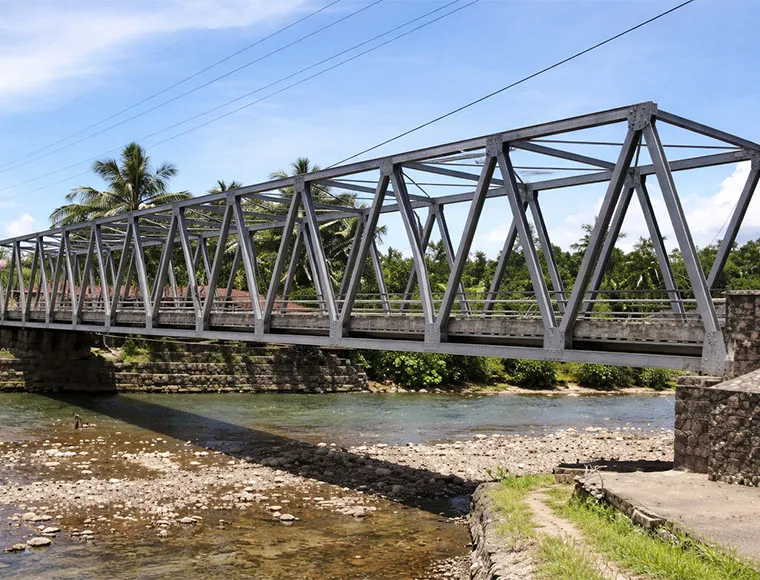
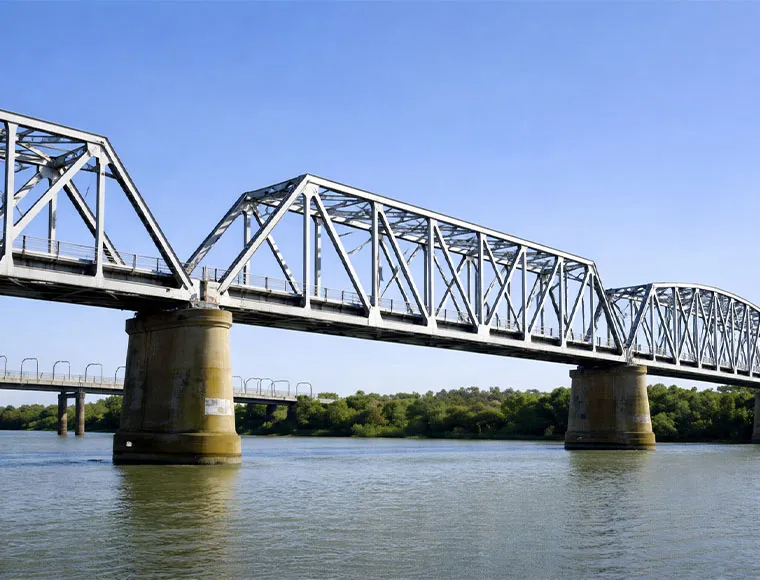
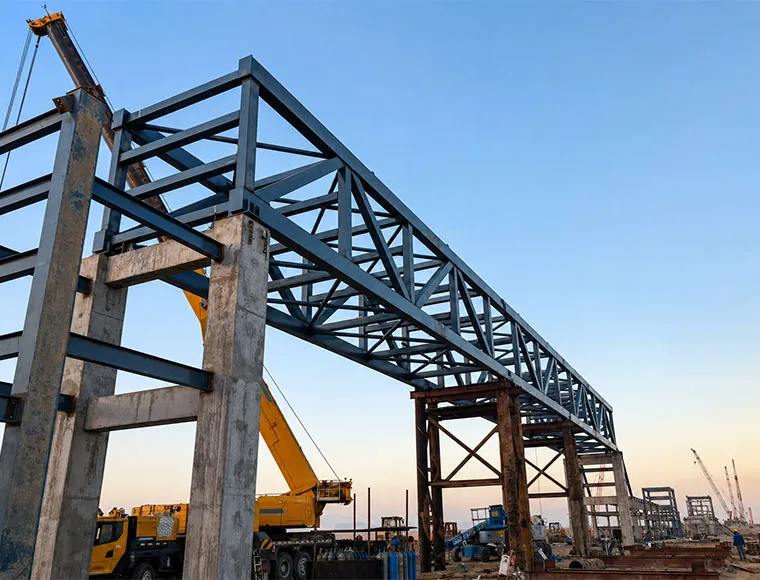
KXD'nin Prefabrik Çelik Köprüsü / Modüler Çelik Köprü serisi (model KXDF-01) prefabrik modüllerden monte edilen üç yapısal aileden oluşur: çelik kafes köprüler, levha kiriş köprüler ve kaynaklı kutu kiriş köprüler; bunlar tamamen sahada inşa edilmek yerine prefabrik modüllerden monte edilir.
Yaygın Bir Yanlış Anlama: Örneği Nihai Tasarım Olarak Değerlendirmek
Proje sahipleri bazen bu tür bir karşılaştırmayı yapısal onay yerine geçen bir belge olarak okur. Öyle değildir. Açıklık kapasitesi, kaplama genişliği ve bağlantı detayları, imalat çizimleri yayınlanmadan önce gerçek saha, kod yetki alanı ve yükleme durumuna göre doğrulanmalıdır. KXD bu ürün serisi için tip bazında bir açıklık tablosu yayınlamamıştır, dolayısıyla bu makalede belirli bir konfigürasyona spesifik bir açıklık rakamı eklemek kaynaklı değil uydurma olurdu. Bu rakam bu nedenle dışarıda bırakılmıştır, önemli olmadığı için değil.
Yapısal Tip Kararı Neden Önce Gelir
Bu konuyla ilgili arama sonuçları, koda özgü akademik ve DOT materyaline yöneliyor—bir yorulma detayını kontrol eden bir mühendisin ihtiyaç duyduğu türden kaynak, tedarikçi araması öncesi üç köprü tipini karşılaştıran bir proje sahibinin değil. Bu boşluk, bu makalenin konfigürasyon seviyesinde kalmasının nedenidir: bir proje kafes güverteden kutu kirişe geçtiğinde imalat, bağlantı ve teslimat konusunda ne değişir, yük kombinasyonu nasıl çalıştırılır değil.
Her aile yükü farklı şekilde taşır ve bu fark, atölyede ve sahada olanları belirler:
- Çelik kafes köprü. Üçgen elemanlardan oluşan açık bir ağ, yükü esas olarak dolu bir gövdedeki eğilme yerine başlıklar ve diyagonallerdeki eksenel çekme ve basınç yoluyla taşır. Belirli bir çelik ağırlığı için kafes genellikle daha uzun bir açıklığa ulaşabilir; ancak geometrisi, sahada montaj için daha fazla sayıda ayrı atölye imalatı bağlantı noktası anlamına gelir.
- Levha kirişli köprü. Üst ve alt başlıklarla desteklenen düz bir gövde levhası, yükü ağırlıklı olarak eğilme yoluyla taşır. Daha az sayıda ayrı parça, orta açıklıklarda genellikle daha hızlı bir montaj süreci anlamına gelir; ancak bu durum, aynı mesafeyi kapsayan eşdeğer bir kafes kirişe kıyasla daha ağır bir kesit maliyetiyle gelir.
- Kaynaklı kutu kirişli köprü. Kaynaklı levhalardan oluşturulan kapalı, tipik olarak dikdörtgen veya yamuk kesitli bir yapı. Kapalı kesit burulmaya karşı yüksek direnç gösterir; bu nedenle eğrisel güzergahlarda veya eksen dışı trafik yükü taşıyan geçişlerde tercih edilir. Cıvatalı değil kaynaklı konstrüksiyon, bu konfigürasyon için KXD'nin kendi ürün adlandırmasıyla da teyit edilen bağlantı yöntemidir.
Yan Yana Üç Yapısal Konfigürasyon
| Konfigürasyon |
Birincil Yük Yolu |
Saha Bağlantısı |
Uygun Olduğu Durumlar |
Hâlâ Proje Onayı Gereken Hususlar |
| Çelik kafes köprü |
Üçgen düzenlenmiş başlıklar ve diagonaller boyunca eksenel kuvvetler |
Panel noktalarında cıvatalı saha ekleri (genel endüstri uygulaması) |
Belirli bir çelik ağırlığı için daha uzun net açıklıklar |
KXDF-01 serisi için tam açıklık aralığı ve panel aralığı |
| Levha kiriş köprü |
Üst ve alt başlıklar ile düz bir gövde levhası boyunca eğilme |
Cıvatalı veya kaynaklı flanş ekleri (genel endüstri uygulaması) |
Daha basit bir montaj sırasına sahip orta düzey açıklıklar |
Bu hatta özgü döşeme genişliği ve kiriş aralığı |
| Kaynaklı kutu kirişli köprü |
Kapalı kaynaklı kesit ile burulma direnci |
Tam nüfuziyetli kaynaklı dikişler (KXD’nin ürün adlandırmasıyla doğrulanmıştır) |
Kavisli hizalamalar ve eksantrik veya merkez dışı yükleme |
Bu hat için duvar kalınlığı ve sertleştirici aralığı |
KXD’nin ürün adlandırması, özellikle kutu kiriş konfigürasyonu için kaynaklı yapıyı doğrulamaktadır. Kafes kiriş ve levha kiriş konfigürasyonları için belirtilen alan bağlantı uygulaması, KXD tarafından yayınlanmış bir spesifikasyonu değil, yaygın köprü mühendisliği uygulamasını yansıtmaktadır ve bu tablodan varsayılmak yerine projeye özel çizimlere göre teyit edilmelidir.
KXDF-01: Üç Konfigürasyonun Tümünde Neler Sunuluyor
Bir projenin hangi yapısal aileyi seçtiğinden bağımsız olarak, KXD Prefabrik Çelik Köprü / Modüler Çelik Köprü (KXDF-01) hattı için aşağıdakileri belgelemektedir:
- Uygulamalar: karayolu, demiryolu, yaya, endüstriyel, madencilik, geçici erişim ve kentsel üst geçit projeleri
- Minimum sipariş miktarı: 600 m²
- Yayınlanan tedarik kapasitesi: ayda 8.000 ton; bu, KXD'nin çelik yapı binası, köprü ve kümes hattı ürünlerinin tümünü kapsayan katalog düzeyinde bir rakamdır, yalnızca köprüye özgü bir sayı değildir
- Ürün sayfasında listelenen sertifika: ISO
- Fiyat aralığı: metrekare başına, spesifikasyona bağlı olarak 40 ile 100 ABD Doları arasında
SSS
Kafes kirişi, plaka kirişi ve kutu kirişi seçenekleri arasında açıklık aralığı farklılık gösteriyor mu?
Genel köprü mühendisliğinde, evet, farklı yapısal aileler tipik olarak aynı çelik ağırlığı için farklı mesafeleri geçer. KXD’nin yayınlanmış materyalleri, KXDF-01 serisi için açıklık aralıklarını konfigürasyona göre ayrıştırmıyor, bu nedenle genel referanslardan bir rakam varsaymak yerine bunu projeye özel bir mühendislik talebiyle doğrulayın.
Üç konfigürasyondan biri diğerlerinden daha uygun fiyatlı mı?
KXD, Prefabrik Çelik Köprü serisi için konfigürasyon başına ayrı aralıklar yerine metrekare başına 40 ile 100 ABD Doları arasında tek bir fiyat aralığı yayınlıyor. Nihai rakam spesifikasyona bağlı olduğundan, konfigürasyonlar arasında maliyeti karşılaştırmanın güvenilir yolu erken bir teklif talebinde bulunmaktır.
Eğrisel veya eksantrik yüklü bir geçiş için hangi konfigürasyon uygundur?
Kutu kirişin tanımlayıcı özelliği olan kapalı kesit, açık bir kafes veya tek bir plaka kiriş gövdesine kıyasla burulmaya daha etkili şekilde direnir; bu nedenle kapalı kesitler genel köprü mühendisliğinde eğrisel hatlar için yaygın bir tercihtir. Bunu kesinleştirmeden önce gerçek hat ve yükleme koşullarına karşı KXD’nin mühendislik ekibiyle doğrulayın.
Teslimat süreleri açısından “modüler” ne anlama gelir?
Bu, köprünün sahada tam imalat gerektirmek yerine prefabrik bölümler halinde sevk edildiği anlamına gelir. KXD, mevcut materyallerde köprü serisi için standart bir teslim süresi yayınlamamıştır, bu nedenle zaman çizelgesinin proje bazında talep edilmesi gerekir.
Bu üç konfigürasyondan herhangi biri için asıl soru aynı: açıklık, döşeme genişliği ve bağlantı detaylandırması, burada anlatılan genel mekaniğin ötesinde, gerçek geçişle nasıl etkileşime giriyor. Bu sorunun cevabı, KXD'nin mühendislik ekibi saha geometrisini elde ettikten sonra, öncesinde değil, ortaya çıkar.


 20 Eylül 2026