KXD Çelik Teknik ve Proje Ekibi | Çelik Yapı Mühendislik Grubu | 7 Eylül 2026 tarihinde yayımlandı
Çelik köprü yapımı birbiriyle bağlantılı dört aşamada ilerler: atölye imalatı, deneme montajı, taşıma için segmentlere ayırma ve sahada cıvatalı montaj. Program riskinin büyük kısmı teslimattan önceki aşamalarda ortaya çıkar; yol veya şerit kapatma süresi, montajın kendisinden çok önceki aşamaların ne kadar iyi sıralandığına bağlıdır.

1. Aşama: Atölye İmalatı
- Çelik elemanları yapısal tasarıma göre kesin ve hazırlayın; projenin belirlediği konfigürasyona bağlı olarak kafes kiriş başlıkları, levha kiriş gövdeleri ve başlık levhaları ya da kutu kiriş levhaları.
- Ana bağlantıları, parçanın fabrikadan çıkmasından önce toleransların ölçülüp düzeltilebildiği kontrollü bir atölye ortamında kaynaklayın. Boyutsal bir hatayı yakalamanın en düşük maliyetli olduğu aşama budur.
- Sahada daha sonra yapılacak bağlantılar için cıvata deliklerini delin ve eşleştirin. Delik hizalaması burada, yalnızca çizimlere dayanılarak varsayılmak yerine, bağlanacak elemanla karşılaştırılarak doğrulanır.
- Bileşen sevk edilmeden önce, saha maruziyet koşullarına göre seçilen korozyon korumasını — boya sistemi veya sıcak daldırma galvanizleme — uygulayın.
Tamamlanma kontrolü: Deneme montajına geçmeden önce, imal edilen her bölüm boyutsal açıdan incelenmeli ve atölye çizimine göre belgelendirilmelidir. Bu kontrolün atlanması, daha sonra sahadaki montaj uyumu gecikmelerinin açık ara en yaygın nedenidir.
Aşama 2: Deneme Montajı
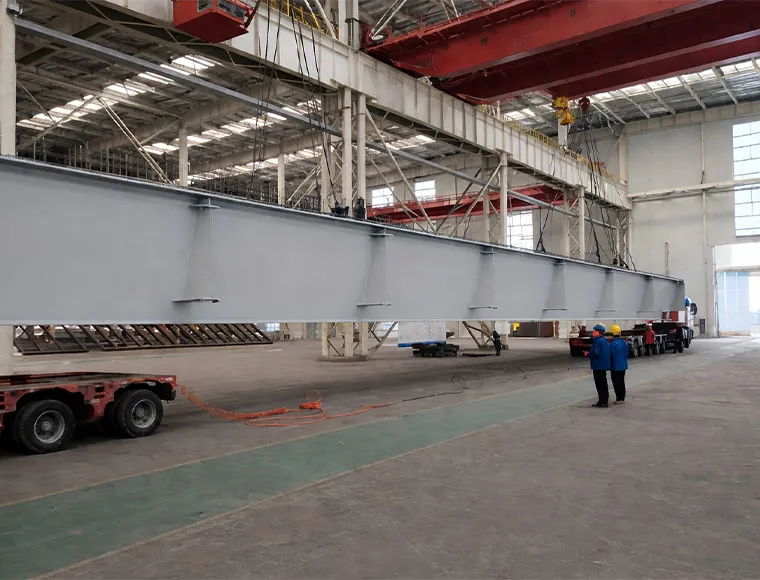
- Sevkiyattan önce ana bölümleri atölyede veya hazırlık sahasında birleştirin; cıvata deliklerinin hizalandığını ve bağlantıların zorlamaya gerek kalmadan uyduğunu kontrol edin.
- Aynı yönlendirme ve sıralamanın sahada tam olarak yeniden üretilebilmesi için, her montaja hazır bileşeni işaretleyin ve numaralandırın — bu, sıradan bir kağıt işi olarak görülmesi kolay, ancak atlandığında maliyeti yüksek bir adımdır.
Deneme montajı, rakiplerin teknik şartname hedef kitlesine yönelik belgelerinde genellikle bir dipnot olarak geçiştirilen bir aşamadır; oysa bir ekibin bir hizalama sorununu ilk kez trafiğe kapatılmış bir yolda keşfetmesini önleyen tam da bu aşamadır. Bir imalatçıyı değerlendiren alıcılar, deneme montajının dahil olup olmadığını varsaymak yerine bunu açıkça sormalıdır.
Aşama 3: Nakliye Bölümlemesi
- Yapıyı, ideal imalat boyutuna göre değil, rota kısıtlamalarına göre — dönüş yarıçapı, köprü yüksekliği, yol ağırlık limitleri — boyutlandırılmış nakliyeye uygun modüllere bölün. Kısıtlama olmayan bir rotada iki parça halinde sevk edilebilecek bir yapı, teslimatın kısıtlı bir koridordan geçmesi gerektiğinde üç veya dört parçaya bölünmek zorunda kalabilir.
- Teslimatı montaj sırasına göre planlayın; böylece modüller yüklenmesi en pratik olan sırayla değil, kaldırılacakları sırayla sahaya ulaşır.
Aşama 4: Sahada Cıvatalı Montaj
Temelleri ve payandaları imalatla paralel olarak hazırlayın, böylece modüller sahaya ulaştığı anda saha hazır olur — toplam proje süresini gerçekten kısaltan şey, montajın kendisinde kazanılan hızdan çok bu paralel planlamadır.
- İlk modülü tamamlanmış temele göre yerleştirip hizalayın; ikinci modül buna bağlanmadan önce seviye ve hizalamayı kontrol edin. Bundan sonraki her bağlantı, burada oluşan hatayı katlayarak büyütür.
- Sonraki modülleri, sahada uyumu yeniden belirlemek yerine deneme montajı sırasında oluşturulan eşleştirme işaretlerini takip ederek önceden planlanan sıraya göre cıvatalayın.
- Her cıvatalı bağlantıyı belirtilen tork değerlerine göre sıkın ve kontrol edin; bir örneği yerinde denetlemek yerine her bağlantıyı belgeleyin.
- Geçiş trafiğe yeniden açılmadan önce nihai kontrolü ve yük doğrulamasını tamamlayın.
Tamamlanma kontrolü: 5–8. adımları doğru şekilde takip eden cıvatalı bir montaj, sahada kaynak gerektirmemeli ve minimum düzeyde saha kesimi gerektirmelidir — bunlardan biri gerekli hale gelirse, bu genellikle atlanmış veya aceleye getirilmiş bir deneme montajı veya nakliye segmentasyonu adımına dayanır.
Tamamlanma kontrolü: 5–8. adımları doğru şekilde takip eden cıvatalı bir montaj, sahada kaynak gerektirmemeli ve minimum düzeyde saha kesimi gerektirmelidir — bunlardan biri gerekli hale gelirse, bu genellikle atlanmış veya aceleye getirilmiş bir deneme montajı veya nakliye segmentasyonu adımına dayanır.
Yol Kapanma Süresini Gerçekte Belirleyen Nedir
İnşaat programı planlamasındaki yaygın yanılgı, montaj süresinin köprü boyutuyla doğrudan ölçeklendiğini varsaymaktır. Pratikte montaj süresi, genel açıklık veya tonajdan çok, kaç cıvatalı bağlantının yapılması gerektiği ve bu bağlantıların deneme montajında ne kadar iyi önceden eşleştirildiğinden etkilenir. Kapsamlı bir deneme montajından geçmiş daha büyük bir köprü, eşleştirme işaretlemesinin atlandığı ve ekiplerin bağlantıları sahada ilk kez oturttuğu daha küçük bir köprüden daha hızlı monte edilebilir.
Bu Yapım Sırası İçin Ürün Parametreleri
Bu sıra, KXD’nin Prefabrik Çelik Köprü / Modüler Çelik Köprü serisi (model KXDF-01) için geçerlidir:
- Yapısal konfigürasyonlar: çelik kafes, levha kirişli, kaynaklı kutu kirişli
- Yapım yöntemi: modüler/prefabrik, cıvatalı saha montajı
- Uygulama alanları: karayolu, demiryolu, yaya, endüstriyel, madencilik, geçici erişim, kentsel üst geçit
- Minimum sipariş miktarı: 600 m²
- Bu ürün hattı için yayınlanan aylık tedarik kapasitesi: 8.000 ton
- Ürün sayfasında listelenen sertifika: ISO
- Fiyat aralığı: özelliğe bağlı olarak 40-100 USD/m²
SSS
S: Cıvatalı montaj, sahada kaynaklı yapıya kıyasla tipik olarak ne kadar sürer?
C: KXD açıklık, modül sayısı ve şantiye erişimine bağlı olduğu için sabit bir montaj süresi rakamı yayınlamıyor — ancak cıvatalı montaj, hava koşullarına bağlı sahada kaynak işlemini kritik yoldan çıkarır ve bu, karşılaştırılabilir projelerde kaynaklı alternatiflere göre genellikle daha hızlı olmasının başlıca nedenidir.
S: Deneme montajı her zaman gerekli midir?
C: Cıvatalı modüler köprülerde deneme montajının atlanması, uyum uyumsuzluğu riskini düzeltilmesi çok daha maliyetli olan şantiyeye kaydırır — deneme montajı, bu hatayı hâlâ düzeltmenin ucuz olduğu aşamada yakalayan adımdır.
S: Bir köprünün kaç parça hâlinde sevk edileceğini ne belirler?
C: İdeal bir imalat ölçüsü değil, güzergâh kısıtları — teslim yolu boyunca dönüş yarıçapı, üstten geçiş yüksekliği ve yol ağırlık sınırları — belirler.
S: Temel işleri imalat tamamlanmadan başlayabilir mi?
C: Evet ve bunu paralel yürütmek toplam proje süresini kısaltmanın en etkili yollarından biridir; çünkü modüller geldiğinde saha hazır olur, sıradaki darboğaza dönüşmez.
Bir projeyi kapsamlandıran alıcılar, imalatçıya doğrudan deneme montajı ve eşleştirme işaretlemesinin teklif edilen sürece dahil olup olmadığını sormalıdır; bu sorunun yanıtı, beklenen saha süresi hakkında yayımlanan açıklık veya fiyat aralığından daha fazlasını anlatır.



 4 Eylül 2026