KXD Çelik Teknik ve Proje Ekibi | Çelik Yapı Mühendisliği Grubu | 4 Eylül 2026'da yayımlandı
KXD, kendi Prefabrik Çelik Köprü ürün grubu için 40–100 ABD doları/m² temel aralığı yayınlıyor. Bu aralık, standart koşullar altında yapısal imalatı kapsar; açıklık konfigürasyonu, yük sınıfı, tabliye sistemi, korozyon koruması ve nakliye mesafesi, belirli bir fiyat teklifini aralığın iki ucundan birine yaklaştıran beş değişkendir.
Tek Bir Rakam Neden Araç Köprüsü Fiyat Teklifini Temsil Edemez
Bir yaya köprüsü projesine ait kamu kurumu ihale dokümanı, tek bir nihai dolar tutarı yayımlayabilir; çünkü bu doküman, açıklığı, sahası ve şartnameleri önceden kesinleştirilmiş tek bir tamamlanmış işi tanımlar. Metrekare başına yayımlanan bir aralık ise farklı şekilde işler: Bu beş değişken uygulanmadan önceki başlangıç noktasıdır, nihai cevap değildir. USD 40–100/m² değerini sabit bir rakam olarak kabul edip tabliye alanıyla çarpmak, köprüyle ilgili ilk aşama taleplerde yapılan en yaygın fiyatlandırma hatasıdır.
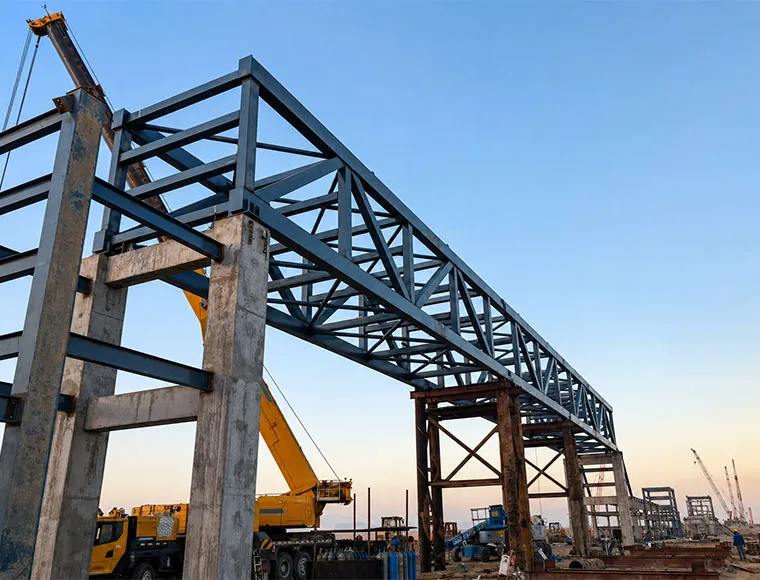
Temel Aralığın Bağlam İçindeki Yeri
KXD, üç ürün grubunda da aynı USD 40–100/m² aralığını yayımlar; bu nedenle köprü rakamını tek başına değerlendirmek yerine yan yana göstermek daha anlamlıdır:
| Ürün Serisi |
Yayınlanan Fiyat Aralığı |
Minimum Sipariş Miktarı |
| Çelik Yapı Bina |
40–100 ABD Doları/m² |
600 m² |
| Prefabrik Çelik Köprü (KXDF-01) |
40–100 ABD Doları/m² |
600 m² |
| Çelik Yapı Kümes |
40–100 ABD Doları/m² |
600 m² |
Bu örtüşme alıcılara faydalı bir bilgi veriyor: bu, köprüye özel bir prim veya indirim değil, temel bir yapısal imalat aralığıdır. Aynı metrekare başlangıç noktasında bir köprü teklifini bir bina teklifinden ayıran şey, bu temelin üzerine eklenen her şeydir — ve işte burada aşağıdaki beş değişken devreye giriyor.
Bir Araç Köprüsü Teklifini Belirleyen Beş Kalem
| Maliyet Belirleyici |
Neyi Değiştiriyor |
Temel Aralıkta Yayınlandı mı? |
| Açıklık konfigürasyonu |
Kafes kiriş (truss) vs. plaka kiriş (plate girder) vs. kutu kiriş (box girder) — daha uzun serbest açıklıklar ve torsiyona dayanıklı kesitler imalat maliyetini artırır |
Hayır — projeye özel mühendislik yapılır |
| Yük sınıfı |
Araç ağırlık sınıfı (hafif erişim vs. ağır nakliye/madencilik trafiği) çelik kesit boyutunu ve bağlantı detaylandırmasını belirler |
Hayır — teklif gereklidir |
| Döşeme sistemi |
Döşeme malzemesi, genişliği ve kaplaması, ana yapısal çelikten bağımsız olarak maliyeti artırır |
Hayır — teklif gereklidir |
| Korozyon koruması |
Boya sistemi ile sıcak daldırma galvanizleme arasındaki seçim, özellikle kıyı veya yüksek nem oranına sahip sahalarda malzeme ve işlem maliyetini değiştirir |
Hayır — teklif gereklidir |
| Nakliye ve teslimat |
Mesafe, modüler segment sayısı ve saha erişim koşulları lojistik maliyetini etkiler |
Hayır — teklif gereklidir |
Bu beş kalemin hiçbiri, yayımlanan temel fiyat aralığına tek başına dahil değildir. Bu, KXD'nin açıklamasındaki bir eksiklik değil; sektörün genelinde köprü fiyatlandırmasının nasıl işlediğini yansıtır: metrekare başına verilen bir değer, genel koşullar altındaki imalatı tanımlar ve projeye özgü her şey saha araştırmasının ardından fiyatlandırılır.

Açıklık Konfigürasyonu: En Belirleyici Değişken
Beş değişken arasında, fiyatı temel aralıktan en çok uzaklaştıran genellikle açıklık konfigürasyonudur; çünkü hangi yapısal tipin baştan belirleneceğini o tayin eder. Bir drenaj geçişi üzerindeki kısa açıklıklı bir taşıt köprüsünde plakalı kiriş kullanılabilir — daha düşük imalat karmaşıklığı, daha az kaynaklı birleşim. Uzun açıklıklı bir karayolu geçidi ya da ağır madencilik ekipmanı taşıyan bir nakliye yolu ise daha sık olarak kafes kiriş veya kaynaklı kutu kiriş gerektirir; her ikisinin de imalatı daha yoğun işçilik ister ve kutu kirişlerde kapalı, burulmaya dayanıklı bir kesit oluşturacak şekilde kaynak yapmak daha karmaşıktır.
Korozyon Korumasını Hafife Almak Kolaydır
Korozyon koruması ayrı bir başlığı hak ediyor, çünkü alıcılar bunu sıklıkla yapısal bir maliyet kalemi değil, son bir rötuş olarak görüyor. Bir boya sistemi ile sıcak daldırma galvaniz kaplama, aynı fiyat etiketine sahip birbirinin yerine geçebilir kalemler değildir — galvanizleme genellikle başlangıçta daha pahalıdır, ancak yapının servis ömrü boyunca bakım döngüsünü değiştirir; bu, özellikle kıyı bölgelerinde, yüksek nemli veya buz çözücü tuza maruz kalan taşıt köprüsü sahalarında önem taşır. KXD, bunun için sabit bir maliyet farkı yayımlamıyor: köprü ürün sayfası, bu nedenle her iki seçeneğin de temel fiyata dahil olduğunu varsaymak yerine teklif aşamasında doğrudan sorulması gereken bir konudur.
SSS
S: 40–100 USD/m² aralığı nakliyeyi içeriyor mu?
C: Sabit bir dahil kalem olarak hayır. Nakliye ve teslimat maliyeti mesafeye, modüler segment sayısına ve saha erişimine bağlıdır ve teklif aşamasında ayrıca hesaplanır.
S: Aynı tabliye alanına sahip iki araç köprüsünün fiyatları neden farklı olur?
C: Çünkü yalnızca güverte alanı; açıklık konfigürasyonunu, yük sınıfını, güverte sistemini veya korozyon korumasını yansıtmaz — aynı metrekare değeri, bu değişkenlere bağlı olarak aralığın her iki ucunda ya da aralığın tamamen dışında yer alabilir.
S: Daha ağır bir yük sınıfı her zaman daha mı pahalıdır?
C: Genel olarak evet, çünkü daha yüksek yük sınıfları daha büyük çelik kesitler ve daha sağlam bağlantılar gerektirir; ancak bu artışın büyüklüğü yalnızca yük sınıfına değil, açıklık ve konfigürasyona birlikte bağlıdır.
S: Araç köprüsü teklifi için minimum sipariş miktarı nedir?
C: 600 m²; yayımlanan MOQ değeri şu kapsamda geçerlidir: KXD'nin köprü ürün grubunda geçerlidir.
S: KXD, saha araştırması yapmadan sabit bir toplam fiyat verebilir mi?
C: Yukarıdaki beş değişken için hayır — proje bazlı bir rakam verilebilmesi için açıklık, yük sınıfı, tabliye, korozyon koruması ve teslimat ayrıntılarının bilinmesi gerekir. Temel fiyat aralığı bir başlangıç referansıdır, nihai teklif değildir.
S: Bazı kamu köprü projesi belgeleri tek bir toplam maliyet gösterirken KXD neden bir aralık yayınlıyor?
C: Kamu ihale belgeleri genellikle tüm değişkenlerinin çoktan belirlenmiş olduğu, tamamlanmış tek bir projeyi anlatır. KXD'nin yayınladığı gibi bir aralığın aralık olarak kalması gerekir, çünkü söz konusu değişkenler belirli bir talep için henüz belirlenmemiştir.
Açıklık, yük sınıfı, döşeme sistemi tercihi, korozyon koruması gereksinimi ve teslimat konumunu içeren bir teklif talebi, yalnızca metrekare başına aralıktan başlayan bir talebe göre daha hızlı ilerler.



 4 Eylül 2026