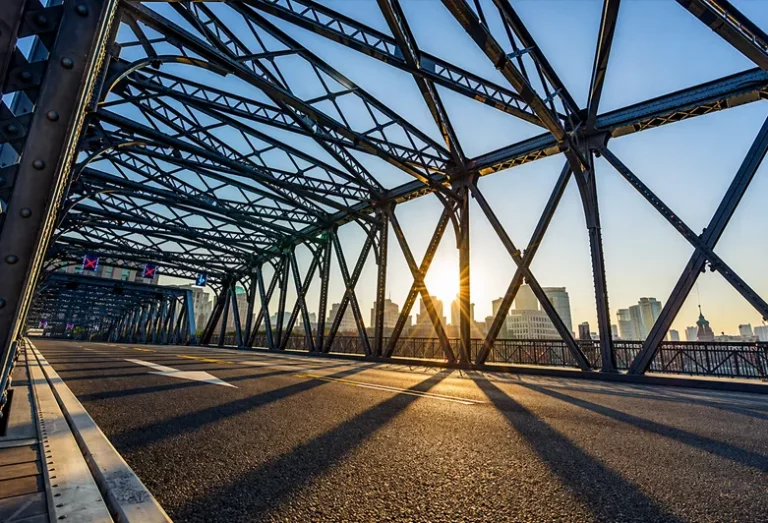
يمكن أن تؤدي التأخيرات الناجمة عن الجسور إلى توقف الشاحنات وإغلاق الطرق، مما يضر بالتدفق النقدي للمشروع. وتزيد الجسور المتقادمة العمر من تعقيد المشكلة. أما الجسر الجاهز المصمم جيدًا، فيساعد المالكين على البناء بسرعة أكبر، وتقليل الأعمال في الموقع، وتوفير حل أكثر أمانًا للجسور الفولاذية للمشاريع الحديثة.
الجسور الجاهزة هي أنظمة جسور تُصنع من مكونات جسور مُصنَّعة في المصنع، مثل العوارض، وأجزاء الدعامات، وأجزاء سطح الجسر، وعناصر الدعامات، وأجزاء الجسور الفولاذية المعيارية. يتم تصنيع هذه المكونات قبل تسليمها وتركيبها في موقع الجسر لتقليل وقت البناء، وتخفيف الازدحام المروري، والحد من المخاطر في موقع العمل.
ما هي الجسور الجاهزة؟
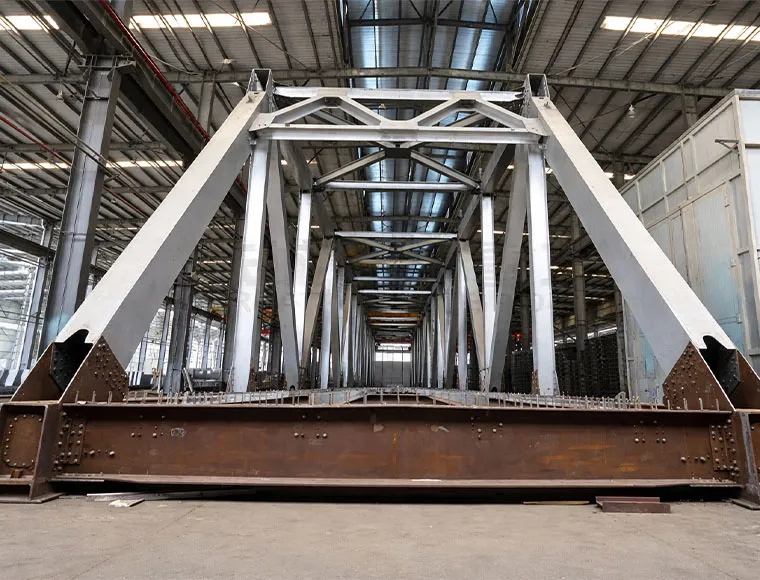
الجسور الجاهزة هي جسور تُشيد باستخدام مكونات رئيسية يتم إنتاجها بعيدًا عن موقع الجسر النهائي. يمكن للمصنع أن يقوم بتصنيع العوارض، والهياكل المثلثة، والعوارض الفولاذية، وأرضية الجسر، والألواح الفولاذية، والأنابيب الفولاذية، والدرابزين، وغيرها من عناصر الجسر مسبقًا قبل شحنها. ثم يقوم فريق البناء بتركيب أجزاء الجسر هذه على الأساسات المُعدة مسبقًا.
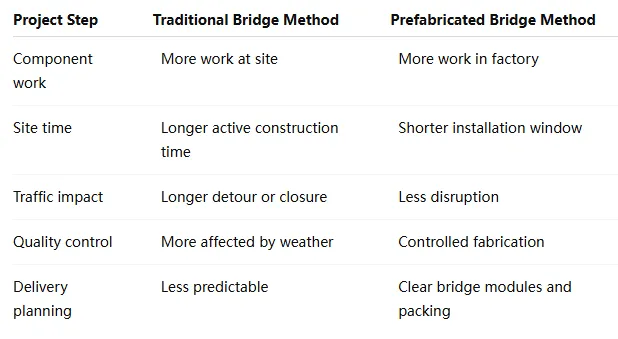
تختلف طريقة بناء الجسور هذه عن مشاريع الجسور التقليدية، حيث تتم معظم عمليات القطع والتشكيل واللحام والتجميع والتشطيب مباشرةً على الطريق أو النهر أو في منطقة العمل. وعندما يتمكن مصنع الجسور من تصنيع الأجزاء في ورشة عمل خاضعة للرقابة، يمكن فحص الجسر قبل وصوله إلى الموقع.
بالنسبة للمشترين في قطاع الأعمال (B2B)، فإن هذا الأمر مهم. فالجسر الجاهز ليس مجرد منتج. إنه نظام جسر متكامل. ويجب أن يتوافق مع تصميم الجسر وعرضه وطوله والحمولة المسموح بها وظروف الموقع وطريقة النقل والاستخدام النهائي. فكل من جسر الطرق وجسر المركبات وجسر السيارات والجسر المؤقت وجسر المشاة وجسر النهر تتطلب جميعها تفاصيل مختلفة.
لماذا يختار المقاولون أنظمة الجسور الفولاذية المعيارية؟
يختار المقاولون أنظمة الجسور الفولاذية المعيارية لأن الوقت والتحكم عاملان مهمان. فعندما يُغلق جسر ما، يتعين على حركة المرور أن تسلك طريقاً بديلاً. وتضطر الشاحنات إلى الانتظار. وقد يفقد موقع البناء ساعات عمل. ويمكن أن يتأثر كل من المجمع اللوجستي، أو موقع التعدين، أو المشروع الصناعي، أو الطرق الزراعية بهذا التأخير على الفور.
توضح إدارة الطرق السريعة الفيدرالية أن عناصر وأنظمة الجسور الجاهزة تُصنع خارج موقع البناء أو بالقرب منه، وتشتمل على ميزات تقلل من وقت البناء في الموقع ومن المدة التي يتأثر فيها حركة المرور، مقارنةً بالطرق التقليدية. وهذا هو السبب الرئيسي الذي يدفع العديد من مالكي المشاريع إلى دراسة الأنظمة المعيارية والجاهزة قبل الشروع في بناء الجسور.
كما يساعد الجسر المكون من وحدات المشترين على التخطيط بشكل أفضل. فوحدات الجسر يمكن تصميمها وفقًا لقيود النقل، وسعة الرافعات، وإمكانية الوصول عبر الطرق المحلية، وتسلسل تركيب الجسر، وظروف الأساسات. وبالنسبة لمقاولي EPC في الخارج، فإن هذا يجعل مشروع الجسر أكثر قابلية للتنبؤ.
كيف يمكن لبناء الجسور الجاهزة أن يسرع من وتيرة تنفيذ المشروع؟
يمكن للجسر الجاهز أن يسرع من وتيرة تنفيذ المشروع، حيث يمكن أن تجري أعمال التصنيع في المصنع وأعمال الموقع في الوقت نفسه. فبينما يتولى المورد عملية التصنيع، يمكن للفريق المحلي إعداد الدعامات والأساسات وطريق الوصول ومنصة الرافعة وخطة السلامة.
تُعرِّف إدارة الطرق السريعة والطرق السريعة الفيدرالية (FHWA) «البناء المعجل للجسور» بأنه عملية بناء الجسور التي تستخدم أساليب مبتكرة في التخطيط والتصميم والمواد وأساليب البناء، بهدف تقليل الوقت اللازم للبناء في الموقع عند إنشاء جسور جديدة أو استبدال الجسور أو إصلاحها. ويُعد هذا الأمر مفيدًا بشكل خاص بالنسبة لجسور الطرق السريعة، وجسور الطرق المزدحمة، واستبدال الجسور القائمة، أو جسور الوصول إلى المنشآت الصناعية.
بعبارة بسيطة، لا ينتظر المشتري حتى يتم تصنيع كل جزء من أجزاء الجسر في موقع الجسر. يمكن للشركة المصنعة تصنيع أجزاء الجسر مسبقًا. ثم يتسلم فريق تركيب الجسر مكونات الجسر الجاهزة ويقوم بتركيبها بسرعة أكبر.
ما هي مكونات الجسور التي يمكن للمصنع أن يقوم بتصنيعها مسبقًا؟
يمكن لشركة متخصصة في تصنيع الجسور أن تقوم بتصنيع العديد من مكونات الجسور مسبقًا. وقد تشمل هذه المكونات العوارض الفولاذية المدرفلة، والعوارض الفولاذية، وأجزاء الهياكل الشبكية، وأجزاء الهياكل الشبكية الجاهزة، وألواح سطح الجسر، والعوارض العرضية، ووصلات الألواح الفولاذية، والدعامات، وحواجز الأمان، والدرابزينات. كما تستخدم بعض المشاريع أجزاء دعامات جاهزة الصنع أو نهجًا متكاملًا لبناء الجسور.
بالنسبة للجسور الفولاذية، يتيح التصنيع في المصنع تحكماً أفضل في عمليات القطع، والحفر، وجودة اللحام، وفتحات البراغي، والتجميع التجريبي، ومعالجة الأسطح، والتعبئة. وينبغي أن يقوم المصنع الجيد بالتحقق من الأبعاد المهمة قبل الشحن. فهذه الخطوة البسيطة يمكن أن تمنع حدوث مشكلات كبيرة في موقع البناء.
KXD للصلب يمكننا دعم عملية تصنيع الجسور من خلال تنسيق التصميم الهيكلي، ورسومات الورشة، والإنتاج في المصنع، وفحص الجودة، وتغليف الصادرات، وتقديم إرشادات التركيب. وبصفتنا شركة متخصصة في تصنيع الهياكل الفولاذية ومقرها مدينة تشينغداو بالصين، فإننا ندرك أن أي حل لتصميم الجسور يجب أن يكون عمليًّا وآمنًا وجاهزًا للتنفيذ الفعلي لأعمال البناء.
ما هو نوع الجسر الأنسب لمشاريع المركبات والطرق والأنهار والطرق السريعة والمشاة؟
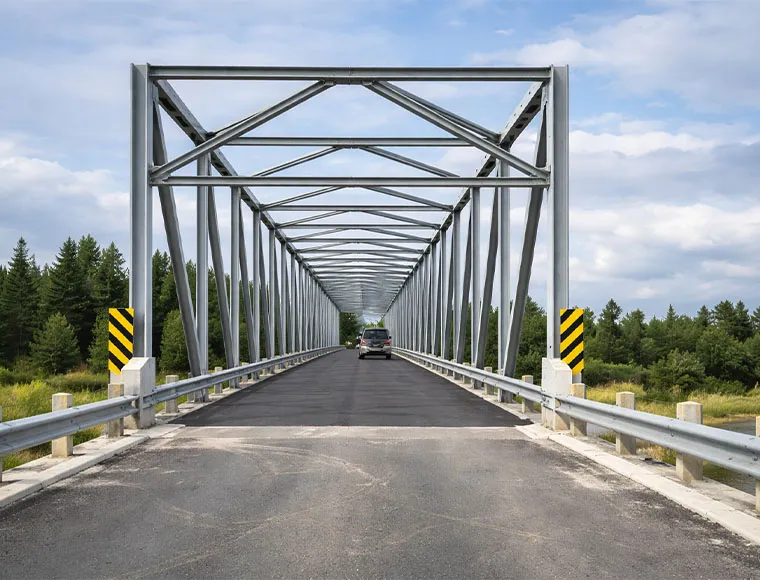
تلبي الأنواع المختلفة من الجسور احتياجات المشاريع المختلفة. فقد يحتاج جسر المركبات إلى قدرة تحميل عالية لاستيعاب الشاحنات والمعدات وحركة المرور اليومية. وقد يحتاج جسر الطريق إلى عرض عملي وحواجز أمان وأداء جيد لسطح الجسر. أما جسر النهر فقد يحتاج إلى مسافة امتداد أطول وحماية قوية ضد التآكل. أما جسور المشاة وجسور المسارات، فتحتاج إلى توفير السلامة والراحة ودرابزينات وسطح مشي نظيف.
يمكن استخدام الجسر الفولاذي المكون من وحدات في كل من الاستخدام المؤقت والدائم. وقد يُستخدم الجسر المؤقت لتسهيل الوصول إلى موقع العمل، أو لتسيير حركة المرور في حالات الطوارئ، أو كطريق جانبي أثناء أعمال البناء. أما الجسر الفولاذي الدائم الجاهز الصنع، فيمكن أن يستخدم عوارض فولاذية أكثر متانة، وتفاصيل مخصصة لسطح الجسر، وطلاءً يوفر حماية طويلة الأمد.
يبحث بعض المشترين عن «جسر فولاذي جاهز»، أو «جسور فولاذية جاهزة»، أو «جسور جاهزة للبيع»، أو «جسر فولاذي للبيع»، أو «جسر فولاذي جاهز للبيع». وتُظهر هذه المصطلحات نية شراء قوية. ومع ذلك، لا ينبغي اختيار نوع الجسر المناسب بناءً على السعر وحده، بل يجب أن يعتمد الاختيار على طول الامتداد، والحمولة، وتصميم الجسر، وحالة التربة، واحتياجات حركة المرور، وطريقة التركيب.
كيف يؤثر تصميم العوارض، والهياكل المثلثة، وأسطح الجسور، والدعامات على السلامة؟
يُعد العارضة أحد أهم أجزاء العديد من الجسور. حيث تقوم العارضة بدعم سطح الجسر ونقل الحمل إلى الدعامات. وتُعد الجسور ذات العوارض شائعة الاستخدام لكونها بسيطة وقوية ومناسبة للعديد من مشاريع الجسور ذات المسافات القصيرة والمتوسطة.
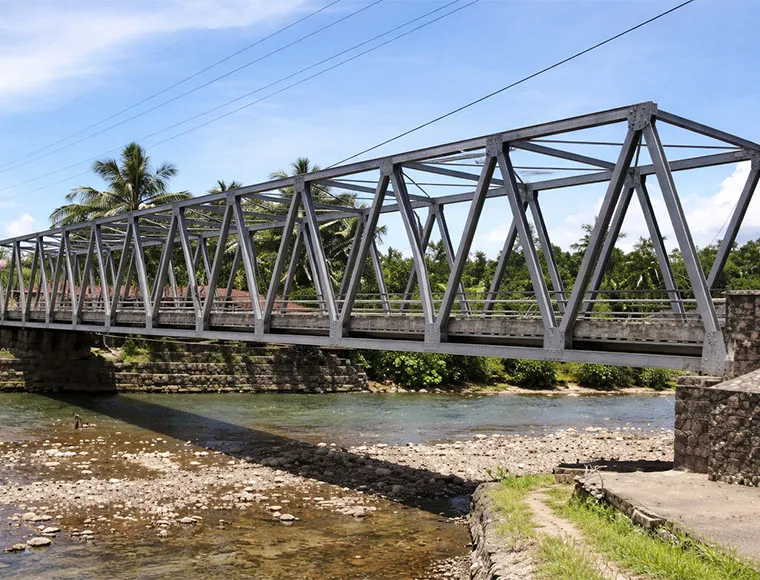
تستخدم الدعامات الفولاذية عناصر فولاذية مترابطة لتحمل الأحمال من خلال أشكال مثلثية. ويمكن أن يكون الجسر ذو الدعامات الفولاذية، أو الجسر ذو الدعامات الفولاذية الجاهزة، مفيدًا عندما يكون طول الامتداد أطول أو عندما يحتاج الجسر إلى كفاءة هيكلية عالية. كما أن الدعامات الفولاذية الجاهزة يمكن أن تجعل عملية الشحن والتركيب أكثر تنظيمًا.
يحمل سطح الجسر المركبات والعمال والمشاة. أما الدعامة فهي التي تدعم طرفي الجسر وتربطه بالأرض. ويجب أن ينسق التصميم الجيد للجسر بين العارضة، والهيكل الفولاذي، وسطح الجسر، ونظام السطح، والدعامة، وتفاصيل اللحام، ومسامير التوصيل، بحيث يشكلوا معًا نظامًا متكاملًا للجسر.
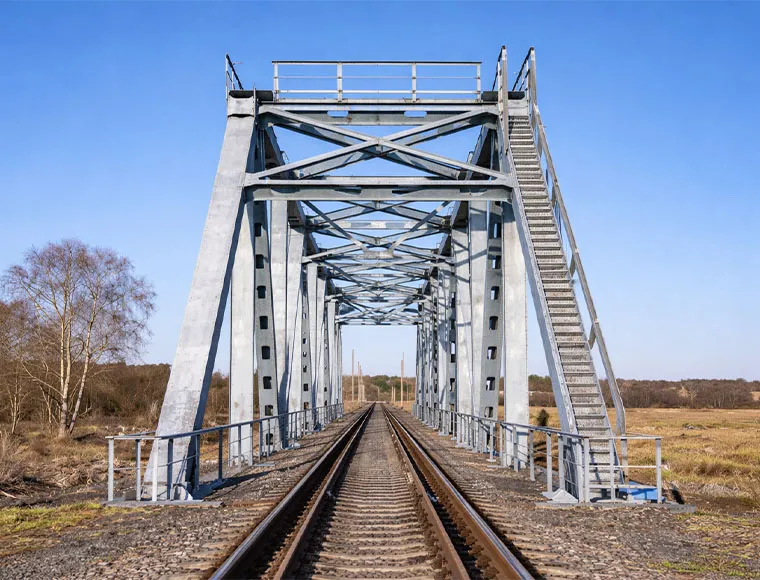
كيف تقلل الجسور الجاهزة من الاضطرابات مقارنةً ببناء الجسور التقليدية؟
غالبًا ما يستغرق بناء الجسر التقليدي وقتًا أطول في موقع البناء. فقد يضطر العمال إلى بناء قوالب الصب، ووضع المواد، ولحام الفولاذ، وتركيب أنظمة سطح الجسر، وتنظيم حركة المرور لفترة طويلة. وقد يؤدي ذلك إلى حدوث ضوضاء ومخاطر وإغلاق الطرق وتعطيل الأنشطة التجارية.
تشير إدارة الطرق السريعة والطرق العامة (FHWA) إلى أن إحدى المزايا الرئيسية للتصنيع المسبق هي تقليل وقت البناء في الموقع، مما قد يقلل من حالات إغلاق الممرات وعدد أيام التحويلات المرورية. وبالنسبة لجسر طريق سريع مزدحم أو جسر طريق عام، يمكن أن تكون هذه الميزة بالغة الأهمية.
وتنطبق هذه الميزة أيضًا على المناطق الصناعية والموانئ والمجمعات اللوجستية والمزارع ومواقع التعدين وطرق الوصول النائية. فكلما قلّت أعمال البناء في الموقع، زادت إمكانية التحكم. ويصل الجسر في حالة أقرب إلى الاكتمال. وبذلك يمكن لفريق التركيب التركيز على رفع الجسر ومحاذاته وتوصيله وفحصه وتشغيله.
ما العوامل التي تؤثر على تكلفة الجسور الفولاذية الجاهزة وعروض الأسعار الخاصة بها؟
يسأل العديد من المشترين عن تكلفة الجسور الفولاذية، أو تكلفة الجسور الفولاذية الجاهزة، أو تكلفة الجسور الجاهزة المخصصة للمركبات. والإجابة الصريحة بسيطة: تعتمد التكلفة على تصميم الجسر. فجسر المشاة الصغير يختلف عن جسر المركبات الثقيلة، كما يختلف جسر الطريق القصير عن جسر النهر الطويل.
تشمل العوامل المهمة المؤثرة في التكلفة طول الامتداد، وعرض الجسر، وحمل حركة المرور، وحجم العوارض، وتصميم الدعامات، ودرجة جودة الفولاذ، ونظام الطلاء، ونوع سطح الجسر، وتصميم الدرابزين، وطريقة التسليم، ودعم التركيب. قد يحتاج الجسر الموجود في منطقة ساحلية أو رطبة إلى حماية أقوى ضد التآكل. وقد يحتاج جسر المركبات الثقيلة إلى عوارض فولاذية أكبر وتفاصيل أقوى لسطح الجسر.
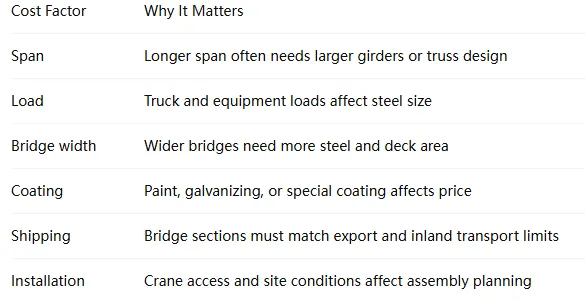
لذلك، عندما يطلب المشترون جسراً فولاذياً للبيع أو يرغبون في شراء جسر فولاذي جاهز، فإن أفضل خطوة أولى لا تقتصر على مجرد السؤال عن سعر الوحدة. بل إن أفضل خطوة أولى هي إرسال بيانات المشروع.
ما الذي يجب على المشترين التحقق منه قبل اختيار مصنعي الجسور الفولاذية الجاهزة؟
عند اختيار الشركات المصنعة للجسور الفولاذية الجاهزة، ينبغي على المشترين التحقق أولاً من الكفاءة الهندسية. فالسعر المنخفض ينطوي على مخاطر إذا كانت المخططات غير دقيقة، أو كانت جودة اللحام رديئة، أو لم تتناسب مكونات الجسر مع الموقع.
يجب أن يكون المصنع الجيد على دراية بتصميم الجسور، والبناء المعياري، ومراقبة التصنيع، وتفاصيل الجسور الفولاذية، والطلاء، والتعبئة، وتسليم الصادرات. كما يجب على المورد تقديم رسومات تنفيذية واضحة، وقوائم المواد، وإرشادات التركيب، وسجلات فحص الجودة.
قائمة مراجعة للمشتري
- تأكد من طول امتداد الجسر وطوله الإجمالي.
- التأكد من عرض الجسر ومتطلبات حارات المرور.
- شارك معايير حمولة المركبات، أو حمولة المشاة، أو معايير الحمولة المطلوبة.
- يرجى تقديم صور لموقع الجسر ومعلومات عن الأساسات.
- يرجى التأكد مما إذا كان الجسر جسرًا للطرق، أو جسرًا نهريًّا، أو جسرًا للطرق السريعة، أو جسرًا للمشاة، أو جسرًا مؤقتًا.
- شارك متطلبات التشريعات المحلية أو متطلبات وزارة النقل.
- تأكد من متطلبات الطلاء في البيئات الساحلية أو الرطبة أو الصناعية.
- تأكد من ميناء الشحن ومسار التسليم وإمكانية وصول الرافعة.
- اطلب الحصول على رسومات التركيب والدعم الفني على المدى الطويل.
تساعد المعلومات الواضحة المورد على تنفيذ أعمال التصنيع المسبق بشكل صحيح. كما تساعد على تجنب إعادة التصميم وتأخير التسليم وعدم التوافق مع متطلبات الموقع.
لماذا تختار شركة KXD Steel لتصنيع الجسور الفولاذية الجاهزة ذات التصميم المعياري؟
تقدم شركة KXD Steel خدماتها لمشاريع الهندسة والبناء العالمية في قطاع الأعمال بين الشركات (B2B) من خلال المباني الفولاذية المصممة حسب الطلب و حلول الهياكل الفولاذية. يشمل نطاق منتجاتنا المستودعات الفولاذية الجاهزة، والورش الصناعية، والمباني التجارية، وحظائر الطائرات، والهياكل الفولاذية متعددة الطوابق، وحظائر الدواجن ذات الهياكل الفولاذية،, الجسور الجاهزة, ، ومشاريع الجسور الفولاذية الجاهزة، والمنازل المصنوعة من حاويات قابلة للفك والتركيب.
فيما يتعلق بمشروع الجسور، فإن هذه الخلفية تكتسب أهمية كبيرة. فالجسر الفولاذي المكون من وحدات يعتمد على الفولاذ الإنشائي، والتصنيع الدقيق، ومراقبة اللحام، والمعالجة المضادة للتآكل، وتصميم الحشوات، وإرشادات تركيب الجسر. وهذه هي نفس القدرات الأساسية المطلوبة للمباني الفولاذية المصممة حسب الطلب وحلول الهياكل الفولاذية الجاهزة.
KXD للصلب تُعتبر شركتنا شركة متخصصة في تصنيع الهياكل الفولاذية، وشريكًا في التصميم الهندسي، ومزودًا لحلول المباني الجاهزة، ومقرها في تشينغداو، الصين. نقدم دعمًا شاملاً من مرحلة استشارات المشروع، مرورًا بتنسيق التصميم الهيكلي، ورسومات التنفيذ، والتصنيع في المصنع، وفحص الجودة، والتسليم للتصدير، وصولاً إلى دعم التركيب.
الأسئلة الشائعة حول الجسور الجاهزة
ما هو الجسر الجاهز؟
الجسر الجاهز هو جسر يتم تصنيعه باستخدام مكونات يتم إنشاؤها بعيدًا عن الموقع النهائي للجسر. وقد تشمل هذه المكونات العوارض، وأجزاء الدعامات، وألواح سطح الجسر، ووحدات الجسر، وعناصر الدعامات، وأجزاء التوصيل الفولاذية.
كيف تسهم الجسور الجاهزة في تسريع عملية بناء الجسور؟
الجسور الجاهزة تسريع بناء الجسور، حيث يمكن للشركة المصنعة تصنيع مكونات الجسر بينما يقوم فريق العمل في الموقع بإعداد الأساسات ومسارات الوصول. وهذا يقلل من وقت البناء في الموقع ويساعد على تقصير فترة التركيب الفعلي.
ما الفرق بين الجسر الفولاذي المكون من وحدات والجسر التقليدي؟
يستخدم الجسر الفولاذي المعياري وحدات أو أقسام جسرية جاهزة يمكن شحنها وتركيبها بسرعة أكبر. أما الجسر التقليدي فيتطلب غالبًا مزيدًا من الأعمال الميدانية في موقع الجسر مباشرةً، مما قد يؤدي إلى زيادة التأثير على حركة المرور وإطالة مدة البناء.
هل الجسور الفولاذية الجاهزة مناسبة للمركبات؟
نعم. يمكن تصميم الجسر الفولاذي الجاهز ليكون جسرًا للمركبات أو جسرًا مخصصًا لحركة المركبات، شريطة مراعاة تصميم الجسر، وسعة الحمولة، وحجم العوارض، ونظام سطح الجسر، ومتطلبات الترخيص المحلية بشكل سليم.
هل يمكن استخدام الجسور الجاهزة للمشاة؟
نعم. تُستخدم جسور المشاة الفولاذية الجاهزة بشكل شائع في المتنزهات والمدارس والمصانع والمواقع الصناعية وجسور المسارات والمعابر العامة. ويجب أن يتضمن التصميم عرضًا آمنًا، ودرابزينات، وأسطحًا مقاومة للانزلاق، وحماية مناسبة ضد التآكل.
ما هي المعلومات التي يجب أن أرسلها قبل طلب عرض أسعار لجسر؟
يجب عليك إرسال طول الجسر، وعرضه، ومتطلبات الحمولة، ونوع الجسر، وصور الموقع، وبلد المقصد، ومعايير التصميم المحلية، ومتطلبات الطلاء، وميناء التسليم، والجدول الزمني المتوقع للتركيب. كما أن الرسومات الهندسية الحالية للجسر مفيدة أيضًا.


 12 أغسطس 2026