Team Tecnico e Progetti KXD Steel | Ingegneria e Consegna Progetti, Qingdao KXD Steel Structure Co., Ltd. | Pubblicato: 17 agosto 2026
Un edificio personalizzato con struttura in acciaio acquistato da un esportatore cinese costa 40–100 USD/m² per la fornitura strutturale. La posizione del progetto all'interno di questa fascia dipende dalla luce, dall'altezza alla gronda, dal tipo di rivestimento e dal carico della gru. Questo articolo collega ciascuna di queste variabili alla parte della fascia verso cui spinge il prezzo.
I prezzi riportati di seguito riflettono le fasce pubblicate sulle pagine prodotto di KXD ad agosto 2026. L'acciaio è una materia prima negoziata in borsa, pertanto riconfermare qualsiasi cifra più vecchia di un trimestre prima di utilizzarla in un budget.
Cosa Copre Effettivamente la Fascia USD 40–100/m²
La fascia pubblicata si applica al pacchetto acciaio lavorato: telaio principale, elementi secondari, materiali di connessione, trattamento superficiale e il sistema di chiusura quotato con esso. È una cifra di fornitura, non una cifra consegnata e montata.
Quattro categorie di costo restano escluse e sorprendono regolarmente gli importatori alla prima esperienza:
- Trasporto marittimo e trasporto interno fino al cantiere
- Dazio d'importazione, IVA e sdoganamento nel paese di destinazione
- Lavori di fondazione in calcestruzzo, che vengono prezzati localmente e possono rappresentare una quota significativa del pacchetto in acciaio su terreni soffici
- Manodopera per il montaggio in cantiere e noleggio gru, sebbene la supervisione ingegneristica e i disegni siano forniti
Per un capannone di fascia media di 3.000 m², il pacchetto strutturale potrebbe attestarsi intorno ai 60 USD/m². Il costo finale consegnato e montato nel mercato di destinazione sarà più elevato, e quanto più elevato dipende dal porto, dalla voce tariffaria e dalle tariffe della manodopera locale piuttosto che da qualsiasi fattore controllato dal fabbricante.
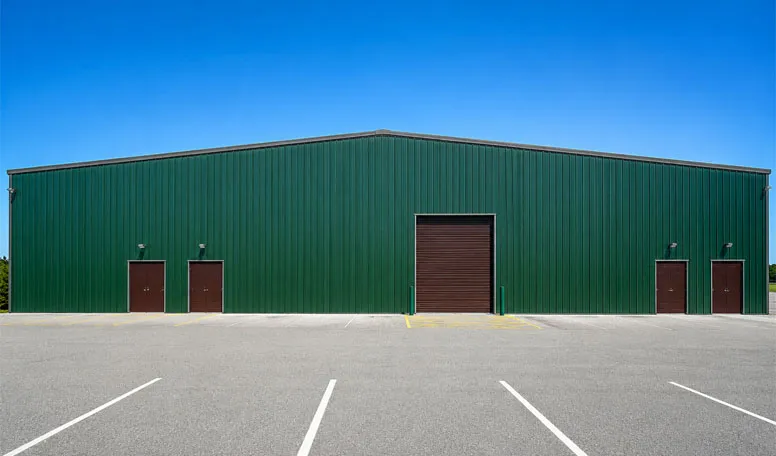
Tabella Specifiche-Prezzo: Quali Variabili Influenzano il Costo
Un intervallo pubblicato copre un ampio spazio di configurazione. La tabella sottostante è una mappatura direzionale — mostra quali scelte di specifica si collocano verso ciascuna estremità di USD 40–100/m², non prezzi dettagliati per singola voce, poiché una suddivisione di prezzo per variabile non è qualcosa che KXD pubblica.
| Variabile di specifica |
Si colloca vicino a USD 40/m² |
Si colloca vicino a USD 100/m² |
| Luce netta |
15–24 m, campata singola |
60–100 m, campata singola |
| Altezza di gronda |
6–8 m |
20–30 m |
| Sistema di copertura e parete |
Lamiera a pelle singola, 0,4–0,5 mm |
Pannello sandwich in lana di roccia da 100–150 mm o PU |
| Carroponte |
Nessuno |
Travi e rotaie per gru dimensionate per servizio pesante |
| Progettazione al vento |
Carico regionale standard |
Personalizzato verso il limite di 160 km/h |
| Trattamento superficiale |
Sistema verniciato |
Componenti zincati a caldo |
| Dimensione dell'ordine |
Ben al di sopra del MOQ di 600 m² |
Pari o vicino al MOQ, piccola serie |
| Grado dell'acciaio |
Q235B per l'intera struttura |
Q355B negli elementi fortemente sollecitati |
Due letture di questa tabella sono più importanti delle altre. In primo luogo, la luce è il fattore dominante, perché raddoppiare la luce libera aumenta l'altezza e il peso degli elementi più velocemente di quanto aumenti la superficie utile. In secondo luogo, la scelta dell'isolamento può influire sul costo dell'involucro più della struttura stessa in un edificio di altezza ridotta, motivo per cui due preventivi per lo “stesso” capannone di 3.000 m² possono differire di 40% senza che nessuno dei due sia sbagliato.
All'interno della scheda tecnica della struttura in acciaio personalizzata
Il prezzo indicato sopra si riferisce a una configurazione di prodotto definita. La Edificio con Struttura in Acciaio Personalizzato è pubblicato con questi parametri:
| Parametro |
Valore pubblicato |
| Telaio principale |
Sezione a H saldata Q235B / Q355B |
| Luce netta |
Fino a 100 m a campata singola |
| Altezza edificio |
3–30 m |
| Pendenza del tetto |
1:10–1:5 |
| Resistenza al vento |
Fino a 160 km/h, personalizzabile |
| Opzioni di rivestimento |
Acciaio a pelle singola, EPS, PU, lana di roccia, lana di vetro |
| Durata di vita progettuale |
Oltre 50 anni |
| Quantità minima d'ordine (MOQ) |
600 m² |
| Capacità di fornitura |
8.000 tonnellate/mese |
| Sistema di qualità |
CE (EN 1090), ISO 9001, ISO 14001, ISO 45001; WPQR su richiesta |
La soglia MOQ merita attenzione in fase di preventivo. A 600 m², un edificio di 20 m × 30 m rappresenta il limite pratico minimo. Gli acquirenti che desiderano una struttura da 200 m² si stanno rivolgendo a una categoria di prodotto diversa, e far passare una richiesta sotto-MOQ attraverso un flusso di lavoro completamente personalizzato restituisce di solito un valore al metro quadro ben superiore alla fascia pubblicata.
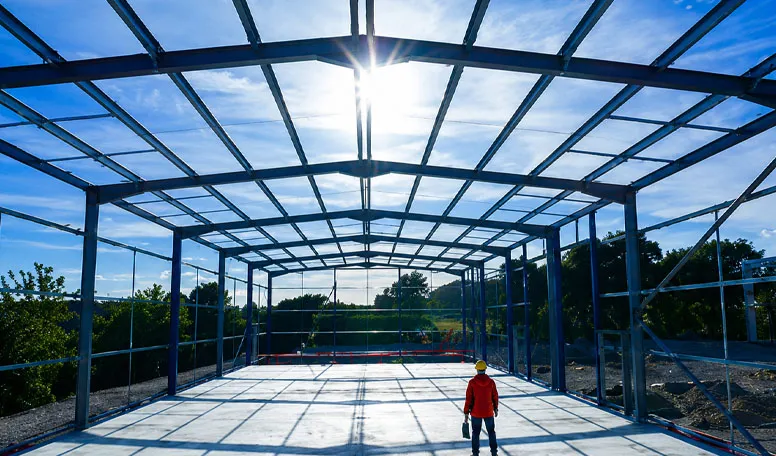
Perché il prezzo dei kit in $/sq ft trae in errore gli acquirenti export
Cercando questo argomento in inglese, la maggior parte dei risultati in prima pagina riporta i prezzi dei kit destinati al mercato domestico USA, quotati in dollari al piede quadrato, tipicamente con una forbice di due o tre volte e senza alcuna spiegazione di cosa comprenda quella cifra.
Quel numero non è trasferibile. Racchiude in un'unica cifra un raggio di consegna domestico, un'ingegnerizzazione secondo le normative statunitensi, un approvvigionamento locale dell'acciaio e un margine di distribuzione. A confronto con le offerte di distribuzione kit del mercato statunitense in generale, un preventivo export FOB rappresenta un pacchetto più circoscritto e letterale: acciaio, fabbricazione, rivestimento, imballaggio per il porto.
|
Modello di prezzo dei kit al dettaglio USA |
Pacchetto strutturale export FOB |
| Unità di quotazione |
USD al piede quadrato |
USD al m² |
| Contenuto tipico |
Telaio, talvolta rivestimento di base, consegna nazionale |
Telaio, elementi secondari, rivestimento, chiusura come specificato, imballaggio |
| Base ingegneristica |
Certificato secondo un codice nazionale |
Progettato secondo GB / ASTM / AISI / JIS / BS come richiesto dalla destinazione |
| Trasporto |
Incluso nel prezzo |
A carico dell'acquirente dal porto in poi |
| Dazio e sdoganamento |
Non applicabile |
Ambito dell’acquirente |
| Fondazioni |
Escluso |
Escluso |
| Ordine minimo |
Spesso nessuno |
600 m² |
L’errore comune è convertire una cifra di kit espressa in $/sq ft in $/m² e trattarla come comparabile a un preventivo FOB. Le due grandezze descrivono ambiti diversi, e la conversione produce un numero aritmeticamente corretto ma commercialmente privo di significato.
Costruire una stima comparabile in cinque passaggi
- Definisci prima l’involucro dell’edificio. Annota con chiarezza la luce, la lunghezza, l’altezza al gocciolatoio, la spaziatura tra i telai e la pendenza del tetto. Senza questi dati, qualsiasi preventivo che ricevi è una supposizione travestita da prezzo.
- Indica la normativa di riferimento e i carichi del sito. Velocità del vento, carico neve e categoria sismica per il sito effettivo. Un edificio progettato per un limite di vento di 160 km/h ha un costo diverso da uno progettato secondo un valore regionale standard.
- Specifica l’involucro separatamente dalla struttura. Richiedi che il tonnellaggio della struttura e la superficie dell’involucro vengano quotati come voci separate. Questa singola richiesta rende comparabili due preventivi concorrenti.
- Dichiarare in anticipo i requisiti della gru. Capacità, luce, altezza del gancio e classe di servizio. L'adattamento del supporto gru su un telaio già fabbricato è la variante più costosa in questa categoria di prodotto.
- Convertire il prezzo FOB in costo finale prima di confrontare. Aggiungere trasporto, dazi, assicurazione, scarico, fondazioni e montaggio utilizzando preventivi locali, quindi confrontare i totali anziché i prezzi di fabbrica.
Un caso limite degno di nota: edifici su terreno soffice o bonificato. Il prezzo del pacchetto in acciaio si muove appena, ma l'ambito delle fondazioni può spostare sostanzialmente il totale di progetto. Gli acquirenti che confrontano i fabbricanti sul solo prezzo dell'acciaio, su un sito con scarsa capacità portante, stanno ottimizzando la metà minore del budget.
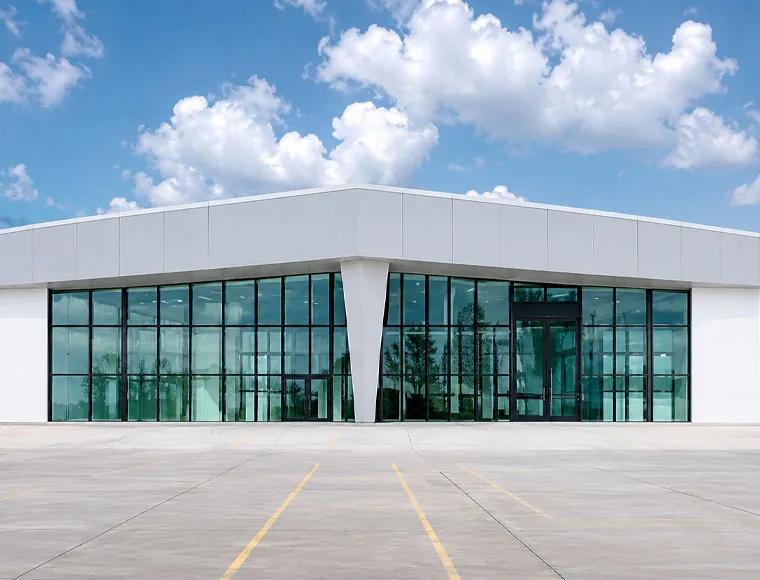
Dove l'Acciaio Costa Più delle Alternative
Un'analisi onesta dei costi deve includere i casi in cui questo prodotto perde.
Al di sotto di circa 600 m², l'acciaio prefabbricato perde la sua convenienza economica rispetto alla muratura locale o alle costruzioni a telaio leggero nella maggior parte dei mercati, e il MOQ rende il punto strutturale piuttosto che una questione di preferenza. Anche gli edifici lunghi e stretti con luce inferiore a 15 m raramente giustificano i costi aggiuntivi dell'importazione.
I prezzi dell'acciaio si muovono con il mercato delle materie prime, quindi una finestra di validità dell'offerta da due a quattro settimane è normale in questo settore. Gli acquirenti che gestiscono un ciclo di approvvigionamento di sei mesi devono aspettarsi di rifare il preventivo e dovrebbero trattare con un certo sospetto qualsiasi fabbricante che offra un prezzo bloccato a tempo indeterminato, chiedendosi cosa sia stato maggiorato per renderlo possibile.
C'è anche un costo di coordinamento che non appare su nessuna fattura. Importare un pacchetto strutturale significa gestire un team di ingegneria estero, uno spedizioniere, un broker doganale e un appaltatore locale per il montaggio come parti separate. Le aziende con project management interno assorbono questo aspetto comodamente. Le aziende che ne sono prive a volte scoprono che lo sforzo di coordinamento erode il vantaggio di prezzo unitario che rendeva attraente l'importazione.
Certificazione e Cosa Aggiunge alla Voce di Costo
I requisiti di certificazione modificano il prezzo quotabile, quindi appartengono alla specifica piuttosto che a una negoziazione successiva.
Per le destinazioni europee, la Commissione europea stabilisce che la marcatura CE sui prodotti da costruzione indica la conformità con le prestazioni dichiarate valutate secondo una norma europea armonizzata o una valutazione tecnica europea, e il materiale della Commissione fa riferimento specificamente alla EN 1090 per i prodotti strutturali. Un fabbricante privo del controllo della produzione in fabbrica EN 1090 non può legalmente fornire carpenteria metallica strutturale con marcatura CE in quel mercato, qualunque sia il prezzo offerto.
I certificati del sistema di gestione si comportano diversamente. ISO definisce ISO 9001 come standard del sistema di gestione della qualità, ISO 14001 come standard del sistema di gestione ambientale e ISO 45001 come standard del sistema di gestione della salute e sicurezza sul lavoro. Questi descrivono come un fornitore gestisce i propri processi, non le prestazioni dell'acciaio fornito. Sono rilevanti per la due diligence del fornitore e sostanzialmente neutri rispetto alla cifra per metro quadrato.
L'ispezione di terze parti tramite SGS, Bureau Veritas o Intertek è disponibile su richiesta per i progetti KXD. Si tratta di un servizio a pagamento con ambito definito, e dovrebbe comparire nella richiesta di offerta piuttosto che essere considerato incluso.
FAQ
D: Qual è il prezzo per metro quadrato di un edificio con struttura in acciaio?
R: USD 40–100/m² è la fascia pubblicata per il Custom Steel Structure Building di KXD, che copre il pacchetto strutturale fabbricato. Alcuni elenchi di progetti di costruzione metallica precedenti sono pubblicati a USD 30–80/m², negoziabili. La cifra applicabile dipende dalla campata, dall'altezza, dai requisiti di rivestimento e di gru.
D: Quel prezzo include l'installazione?
R: No. La fascia pubblicata è una cifra di fornitura. Vengono forniti i disegni ingegneristici e il supporto per il montaggio; la manodopera in cantiere, il noleggio della gru e i lavori di fondazione sono prezzati localmente dall'acquirente.
D: Qual è l'ordine minimo?
R: 600 m² per il Edificio con Struttura in Acciaio Personalizzato. Alcuni altri prodotti della gamma, tra cui PEB e edifici in acciaio multipiano, sono elencati a 200 m².
D: Quanto costa un'officina in acciaio di 1.000 m²?
R: Nella fascia pubblicata, il pacchetto strutturale per 1.000 m² varia tra 40.000 USD e 100.000 USD. Un'officina a un piano con campata di 24 m, altezza di gronda di 8 m, rivestimento a parete singola e senza gru si colloca vicino alla cifra inferiore; la stessa superficie con pannelli in lana di roccia da 100 mm e una gru da 10 t si avvicina a quella superiore. Una cifra precisa richiede i dati di campata, altezza e carico.
D: Perché i preventivi per edifici delle stesse dimensioni differiscono così tanto?
R: Di solito perché il peso della carpenteria differisce. Due fabbricanti possono progettare lo stesso involucro con tonnellaggi di acciaio diversi in base all'ottimizzazione degli elementi e alle ipotesi normative. Richiedere il tonnellaggio della carpenteria insieme al prezzo rende il confronto immediato.
D: Il prezzo può essere mantenuto mentre organizziamo il finanziamento?
R: Una finestra di validità da due a quattro settimane è standard, riflettendo le fluttuazioni del mercato dell'acciaio. Periodi più lunghi sono negoziabili ma generalmente hanno un costo.
D: Quale documentazione deve accompagnare il preventivo?
R: Tonnellaggio del telaio, grado dell'acciaio per gruppo di elementi, specifica del rivestimento con spessore del film secco, specifica della chiusura, il codice di progettazione applicato e la base della lista di imballaggio per la cifra FOB.
Successivo: Cosa Inviare a un Fabbricante
Se stai passando dalla ricerca alla richiesta di offerta, il percorso più rapido verso una cifra accurata è un brief di una singola pagina contenente: posizione del sito e coordinate, dimensioni dell'involucro dell'edificio, dati della gru se presenti, il codice di progettazione vigente e il porto di destinazione.
Una domanda a cui questo articolo non risponde, e che è importante per chiunque costruisca in un mercato con un'industria locale di fabbricazione dell'acciaio attiva: se importare un pacchetto strutturale completo sia più vantaggioso rispetto all'acquisto di acciaio locale e all'importazione della sola ingegneria. Tale compromesso è specifico del mercato e vale la pena valutarlo separatamente prima di impegnarsi in una delle due opzioni.
Informazioni sull'autore: Il KXD Steel Team Tecnico e di Progetto lavora su progettazione, dettagliatura, fabbricazione e consegna di strutture in acciaio prefabbricate per applicazioni industriali, commerciali, logistiche, agricole e infrastrutturali, attingendo a competenze nelle strutture in acciaio che risalgono al 1997 e a un'esperienza progettuale in oltre 80 paesi e regioni.


 17 agosto 2026